
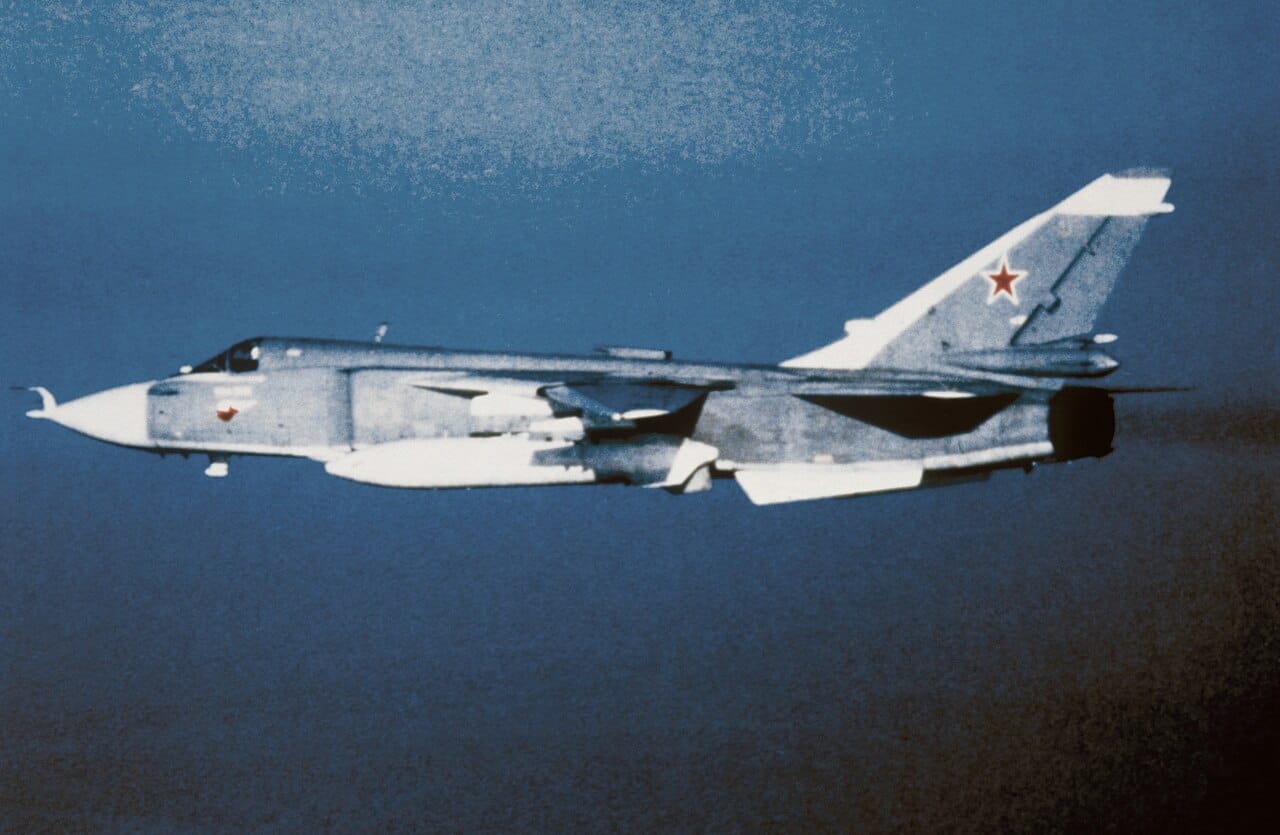
Five months following the downing of two Iranian bombers near a U.S. air base in Qatar, a compelling question has emerged: what has become of the pilots flying those aircraft? This query gains significance amidst conflicting claims from both Iran and Qatar regarding the fate of the aircrew.
Incident Summary: A Tense Encounter
On March 2, 2026, two Iranian Su-24 Fencer bombers, taking off from Bushehr, flew precariously low over the Persian Gulf, targeting Al Udeid Air Base and Ras Laffan gas complex. Their mission ended abruptly when Qatari F-15QA Ababil jets intercepted them just minutes from their targets, successfully shooting both down. This marked a pivotal moment in the ongoing 2026 Iran conflict as Qatar achieved its first air-to-air victories. The incident involved a total of four crew members aboard the two bombers, which has fueled Iran’s assertion that at least three survived and are currently in Qatari custody.
Conflicting Statements and Implications
On August 15, Iran’s Armed Forces General Staff claimed that Qatar has held three of its aircrew since March. However, the Qatari government firmly denied these allegations, asserting there are no Iranian pilots under its control. These contradictory statements raise questions regarding accuracy and motivations behind each nation’s claims. Iran is likely emphasizing the possible detention to highlight the plight of its aircrew, while Qatar aims to maintain its image of a non-confrontational regional power.
The narrative becomes complicated considering ongoing diplomatic communications between Qatar and Pakistan, although no formal negotiations appear to have taken shape. This unverified communication channel has generated speculation about the potential for resolving the situation. Families of the purported captured aircrew likely find themselves in a limbo, anxiously awaiting clarity amid swirling uncertainties.
The Stakes of Verification
The situation remains fraught with tension, and there’s no independent verification to ascertain who, if anyone, is being held. The dichotomy between the claims of Iran and Qatar serves as a reminder of the challenges inherent in international diplomacy and the weight of public sentiment in such scenarios. Each government makes statements crafted for particular audiences, and discerning the truth becomes complicated for outsiders without access to inside information.
What remains uncontested is the gravity of the initial downing event—two bombers lost to the swift response of a modern fighter jet, an encounter that not only altered the tactical landscape but also posed a significant diplomatic dilemma. As of now, both governments are navigating the complexities of international relations against the backdrop of heightened tensions in the region.
Ultimately, the fate of the Iranian airmen—whether they are truly in Qatari custody or not—has the potential to influence broader geopolitical dynamics, making this not just a matter of military engagement but also one of human rights and international law.