
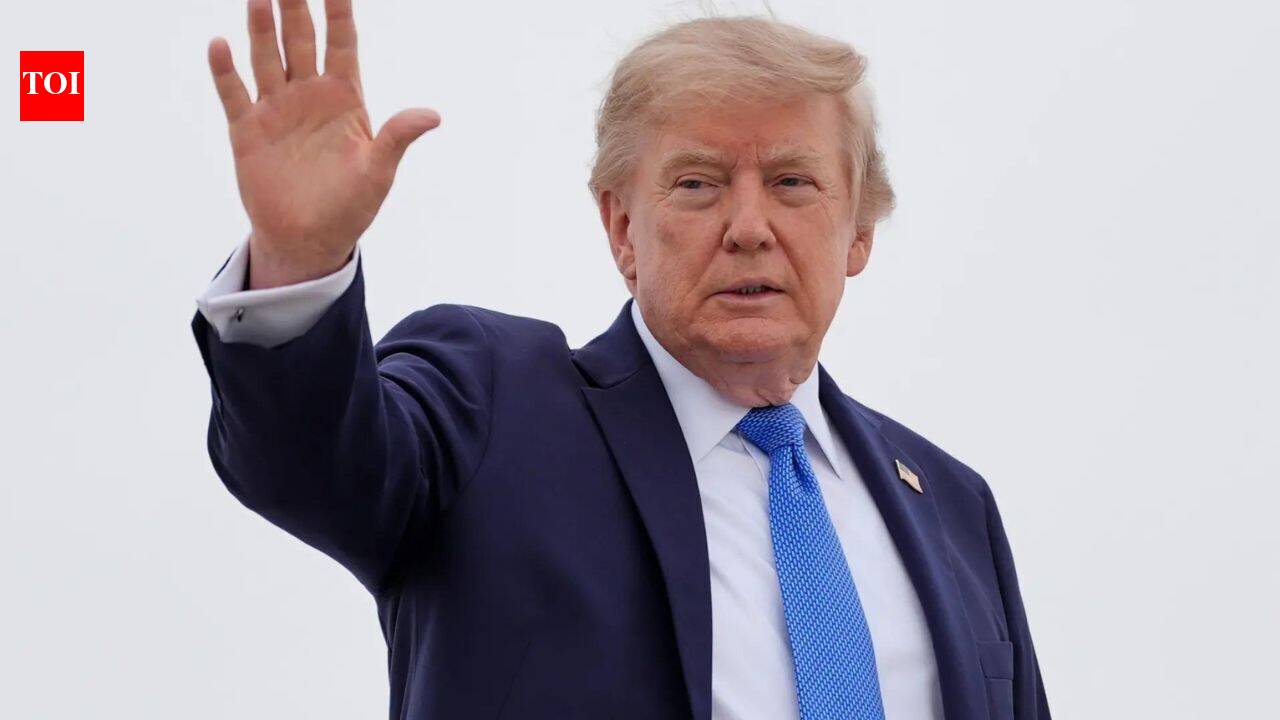
A recent exchange of statements between U.S. President Donald Trump and Iranian officials has escalated tensions surrounding the strategic Strait of Hormuz. Trump expressed intentions to declare this vital maritime route a U.S. territory, provoking a sharp response from Iranian lawmaker Ebrahim Azizi. The escalating rhetoric highlights the significance of the Strait, which is essential for global oil and gas shipments.
Iran’s Stance on Trump’s Provocations
In a pointed remark on social media, Ebrahim Azizi, who chairs the Iranian Parliament’s National Security Commission, urged Trump to focus on his own security, rather than what he termed “endless bluffing” about the Strait of Hormuz. Azizi’s comments reflect the heightened atmosphere of tension between the U.S. and Iran, suggesting that Trump’s statements may be more about domestic politics than international strategy. He humorously referenced an incident where Trump was reportedly moved to safety amid security concerns, advising the U.S. President to be more cautious.
Trump’s statements came during a rally in New York, where he announced that the U.S. would soon claim the Strait as part of its territory. He asserted that following a successful defeat of Iran, this claim would be formalized. However, Trump did not explain how the U.S. would achieve this, raising questions about the potential legal ramifications. These comments are a continuation of his earlier claims about U.S. dominance over the maritime route, emphasizing his administration’s military posture.
The Importance of the Strait of Hormuz
The Strait of Hormuz is not just a vital shipping channel; it serves as the backbone of the global energy market. Over one-fifth of the world’s oil supply passes through this narrow waterway, making any disruption a significant concern for those watching global energy prices. Trump’s assertion of “total control” over the strait comes amid rising geopolitical tensions and threats to international shipping lanes. Such comments only amplify fears regarding energy supply stability and may influence market behaviors.
Furthermore, the situation has become more precarious due to what many observers describe as Iran’s blockade of the Strait. This move appears to be a direct response to the U.S.-Israeli military actions in the region, further complicating the already volatile landscape. In retaliation, the U.S. has also imposed its own restrictions on Iranian ports, maintaining a cycle of hostility that seems to undermine diplomatic efforts.
Future Implications of Escalating Rhetoric
In the wake of these escalating tensions, it’s essential to consider the broader implications of such rhetoric. Trump’s comments could lead to unforeseen consequences, both regionally and globally, as countries monitor U.S. actions closely. The declaration of the Strait as U.S. territory could provoke further retaliation from Iran and elevate military conflicts in the region. Analysts warn that this could destabilize not just the Gulf area but also impact global oil markets, exacerbating economic deterioration worldwide.
In conclusion, the exchange between Trump and Iranian officials underscores the fragility of peace in the region. As Trump continues to make provocative claims, the likelihood of military actions increases, potentially leading to disastrous outcomes. Stakeholders must tread carefully to ensure that diplomacy prevails over aggression, thereby safeguarding vital waterways and global oil supplies.