
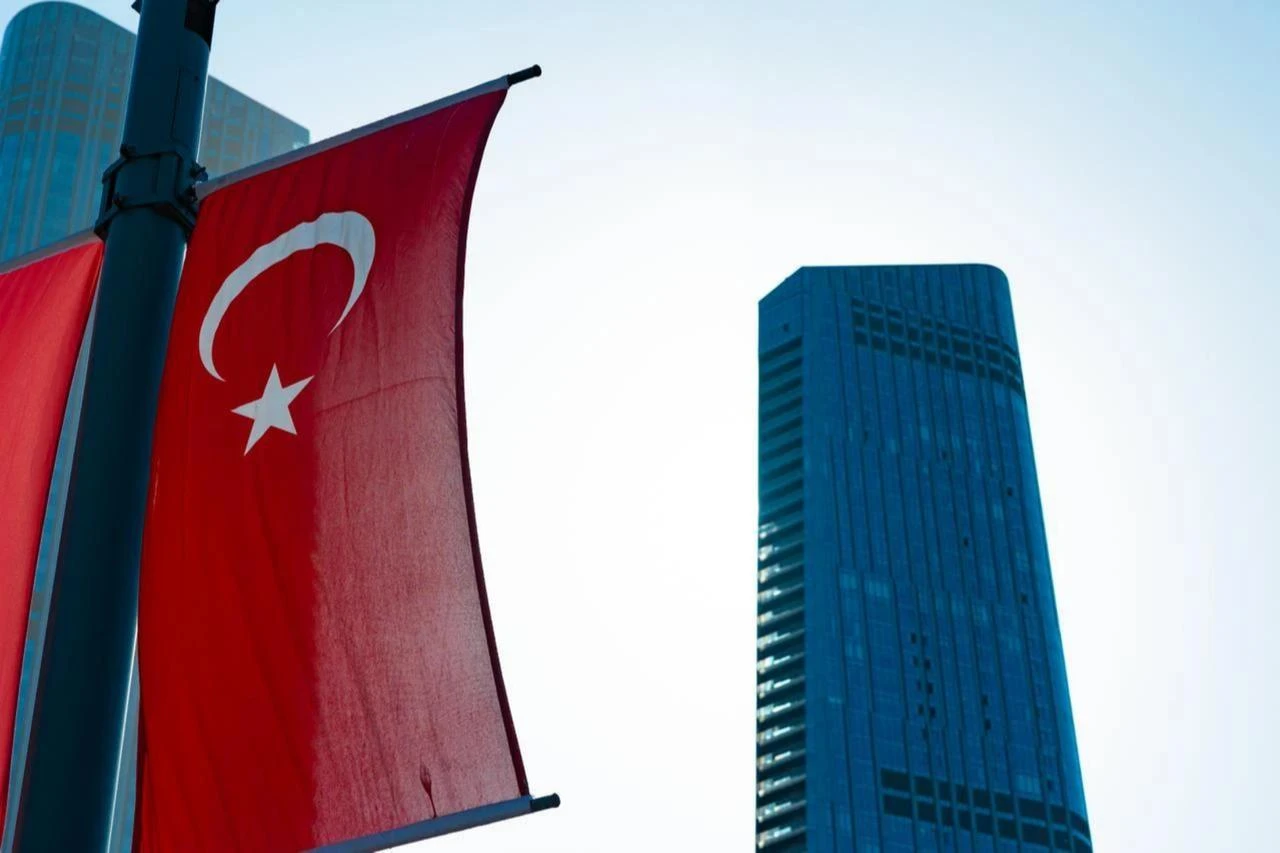
Foreign direct investment (FDI) in Türkiye declined significantly in the first half of 2026, illustrating a challenging economic landscape. According to the International Investors Association (YASED), the country attracted $4.2 billion, reflecting a sharp 31% drop compared to the same period last year. This contraction underscores ongoing shifts in the investment climate, prompting both foreign and domestic stakeholders to reassess their strategies.
Investment Breakdown and Trends
In detail, the FDI was composed of $3.7 billion in investment capital, bolstered by $1.7 billion from debt instruments and $1.3 billion from real estate transactions involving foreign nationals. However, a notable outflow of existing investments, totaling $2.4 billion, further compounded the situation, particularly highlighted by a dismal June where only $210 million in FDI was recorded. This underlines a complex environment where new investments are being overshadowed by divestments.
The sectoral distribution of investment also reveals key insights. In the first half of 2026, $3.7 billion in net investment capital represented a 6% decrease from the previous year’s $3.9 billion. Notably, the wholesale and retail trade sector emerged as the leading recipient, attracting $847 million and accounting for 23% of total investment capital. Following closely were the information and communication sectors at $471 million and finance at $451 million, together illustrating the continued appeal of service-oriented industries.
Service Sector Dominance
Overall, services monopolized nearly 63% of FDI during this period, while industrial activities garnered the remaining 37%. Alarmingly, agriculture received no foreign investment, raising questions about the sector’s viability in attracting international capital. Such trends signal a shift towards a more service-based economy, which could have implications for long-term growth and sustainability.
Primary Sources of Investment
When examining the origins of this foreign capital, the Netherlands stood out as the largest contributor, accounting for 23% of total investments, a significant marker of its economic influence in Türkiye. Germany and the United States followed, each providing 15% of investment capital, while the United Kingdom contributed 11%, and the United Arab Emirates offered 10%. Together, EU member states represented 52% of total FDI, a decrease from the historical average of 59% between 2003 and 2025, which indicates a potential cooling of European investment enthusiasm.
In dollar terms, the influx from the Netherlands totaled $852 million, with Germany at $563 million and the U.S. closely following with $562 million. In contrast, the UK’s investment peaked at $412 million, while the UAE contributed around $371 million. Overall, since 2003, Türkiye has received cumulative FDI inflows exceeding $292 billion, highlighting the long-term potential despite short-term fluctuations.
In summary, the declining trend in foreign investment signals a need for Türkiye to evaluate its investment landscape critically. With shifting investor sentiments and an overwhelming focus on service sectors, policymakers must navigate these challenges carefully to revitalize the economy and attract renewed capital. The data certainly underscores the urgency for strategic initiatives aimed at improving the investment climate.