
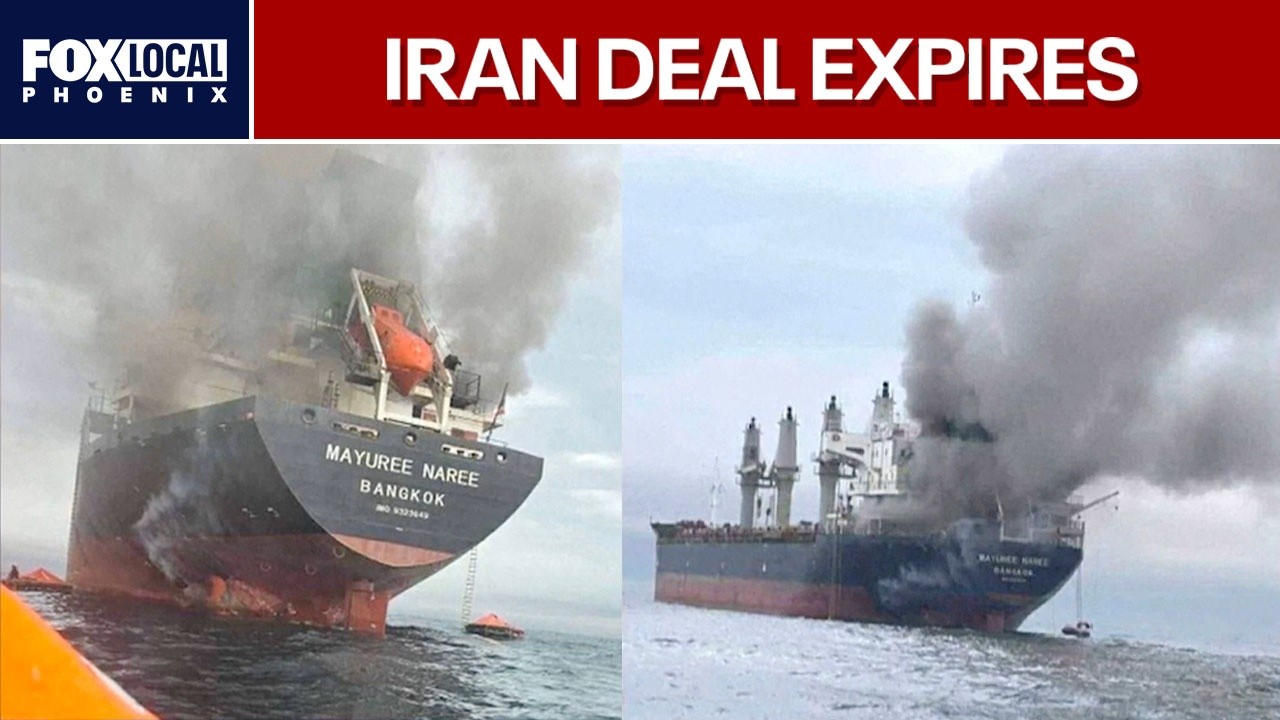
In the current geopolitical landscape, tensions in the Middle East are mounting, particularly surrounding the ongoing conflict involving Iran. Just 60 days into a diplomatic agreement brokered by President Trump, the situation is taking a turn for the worse. As hostilities escalate, the Strait of Hormuz has emerged as a flashpoint, with recent attacks raising concerns over stability and security in the region.
The Breakdown of Diplomatic Efforts
The diplomatic discussions initiated between the United States and Iran were aimed at curbing escalating hostilities and fostering a more stable environment in the Middle East. However, these efforts have seemingly unravelled in a matter of weeks. As international observers analyze the reasons behind this rapid deterioration, a combination of mistrust, conflicting interests, and ongoing military actions have contributed to the collapse.
Notably, Iran has been involved in a series of aggressive maneuvers in the Strait of Hormuz, a critical chokepoint for global oil shipments. The Iranian government has no doubt adopted a hardline stance, asserting its position amid increasing pressure from the U.S. This environment of tension raises serious questions about the future of diplomatic relations between these two nations and the broader implications for regional stability.
Current Situation in the Strait of Hormuz
The Strait of Hormuz has become a focal point for international trade and military strategy, with nearly one-fifth of the world’s oil passing through its waters. The recent spike in hostilities in this crucial waterway has prompted concerns regarding the possible repercussions for global supply chains. Naval forces from various countries are on high alert, and any escalation could lead to significant disruptions.
Reports of attacks in the strait have amplified fears of an impending conflict, igniting debates about the effectiveness of diplomatic measures in easing tensions. Many experts argue that the volatile nature of the situation places global economies at risk. Stakeholders worldwide are advised to closely monitor developments within the region, as further escalations could have widespread implications.
The Way Forward
Looking ahead, it is crucial for both the U.S. and Iran to reevaluate their approaches. Continuing down the path of military confrontation is unlikely to yield positive outcomes for either side. A renewed focus on diplomacy—potentially through third-party mediation—could pave the way for more stable relations. Initiatives aimed at rebuilding trust will be essential in fostering dialogue, as quick fixes are seldom successful in complex geopolitical landscapes.
Regional players must also play a role in facilitating discussions. A collaborative effort that brings together various nations to address the intricate dynamics of the Middle East could prove beneficial. With the world watching closely, the hope is that a peaceful resolution can be achieved, steering the situation away from potential military engagement.
Ultimately, the ongoing conflict serves as a stark reminder of the fragile nature of international relations. As we continue to witness unfolding events, the importance of strategic negotiations cannot be overstated. The international community must remain vigilant and active in fostering dialogues to ensure that peace prevails in a region that has faced turmoil for far too long.