
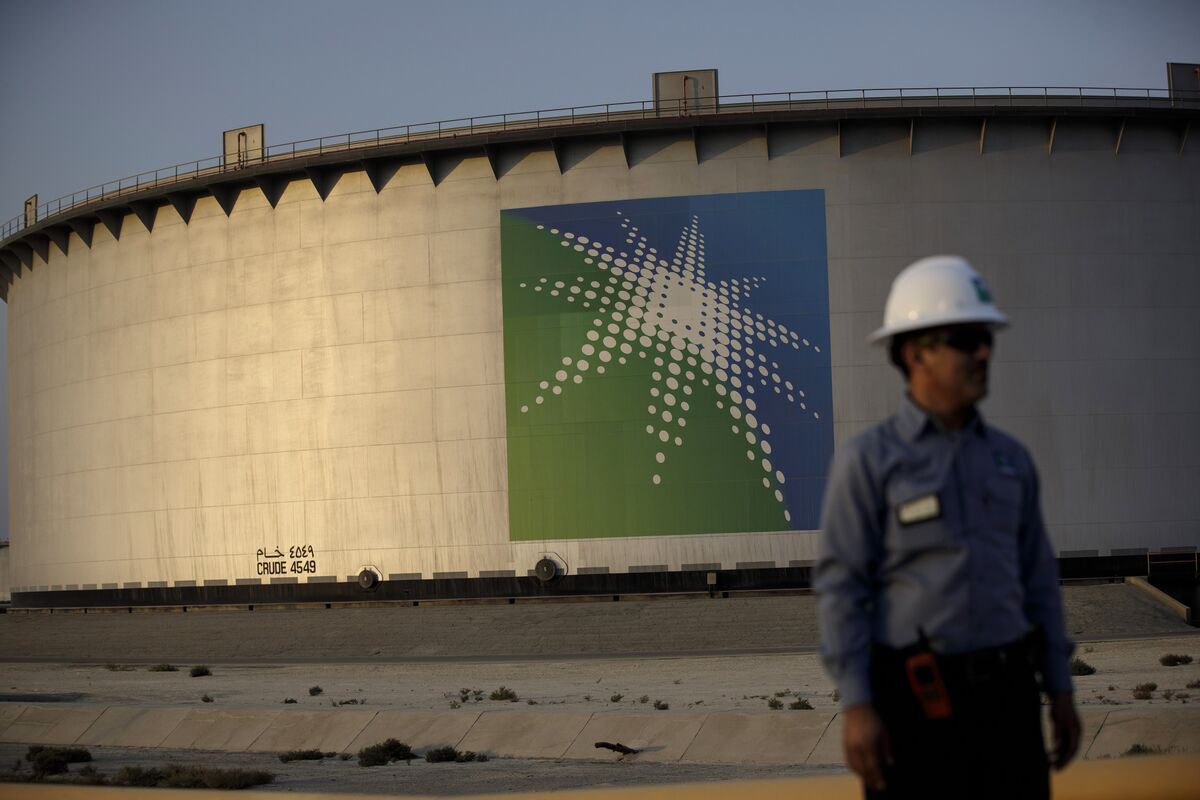
Some Asian refineries are expressing concerns regarding Saudi Aramco’s directive for them to collect oil shipments at Yanbu on the Red Sea. This situation stems from the challenges associated with securing maritime transport willing to navigate this perilous route.
Challenges in Oil Transportation
The Red Sea has gained notoriety for its complexities, making it a less-than-ideal route for oil shipments. Asian refiners are concerned about the potential risks involved in sending their vessels through these waters. As geopolitical tensions rise and incidences of piracy and maritime security threats become more prevalent, the reluctance extends to shipowners as well. They are increasingly cautious about dispatching oil tankers into regions perceived as hazardous, resulting in a limited selection of ships available for these operations.
Refiners are not only focused on the physical risks but are also affected by the financial implications. Rising insurance costs due to increased risk premiums significantly impact operational budgets. This financial burden can make it unfeasible for some refiners to comply with Aramco’s requests. The added stress of unpredictable shipping timelines complicates the logistical aspects of their operations, compelling refiners to reconsider their procurement strategies.
Impact on Asian Refineries
Consequently, the requirement to pick up oil at Yanbu creates complications for some Asian refineries that rely heavily on steady and risk-averse supply chains. As many refiners in the region are already adjusting their strategies to adapt to fluctuating oil prices and changing market demands, the additional pressure from Aramco may exacerbate existing challenges. As a result, some refiners are contemplating alternative sourcing options that may involve changing suppliers or even diversifying their import strategies.
Moreover, this situation forces Asian refiners to explore new partnerships or logistics arrangements that ensure safer and more reliable transportation of crude oil. The repercussions of these logistical challenges could ultimately influence crude oil prices and availability in Asian markets, which rely significantly on shipments from the Middle East. In a rapidly evolving energy landscape, refiners must be agile and responsive to maintain their competitive edge.
Future Trends and Considerations
Looking ahead, the oil market may see shifts in how Asian countries approach their crude oil procurement. As refiners seek ways to mitigate risks and reduce reliance on vulnerable shipping routes, diversification could become a strategic priority. Developing relationships with suppliers based in more secure regions or investing in land-based transportation options might present viable alternatives for reducing dependence on the Red Sea.
Additionally, the industry may benefit from advancements in shipping technology and maritime security, potentially alleviating some concerns associated with navigating dangerous waters. As technologies evolve, refiners could explore innovative solutions such as enhanced tracking systems for live monitoring of shipping routes, enabling them to respond promptly to emerging threats.
In conclusion, the pushback from Asian refiners against Saudi Aramco’s requirement highlights the intricacies of global oil logistics. With increasing risks and the need for adaptive strategies, the future of oil transportation and procurement in Asia could witness significant transformations. As the market evolves, refiners will need to balance adherence to supply requests with the overarching need for maritime safety and cost-effectiveness.