
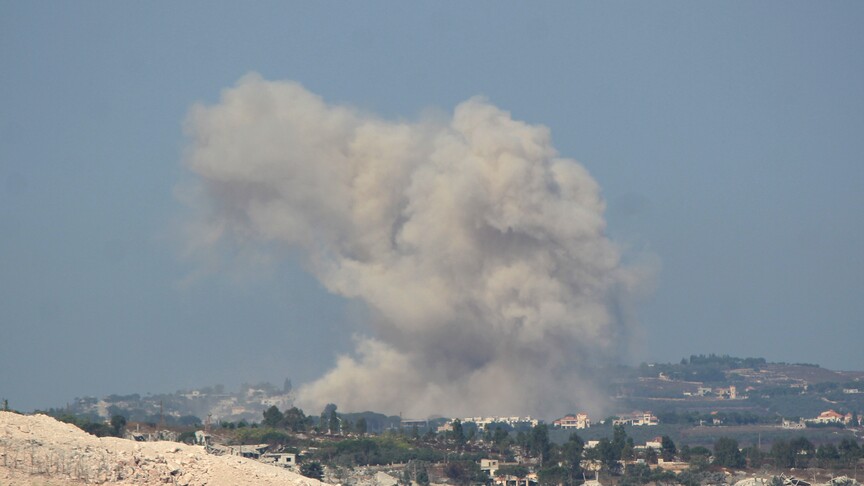
On August 17, 2026, hostilities marked by Israeli airstrikes continue to escalate despite a proclaimed ceasefire in southern Lebanon. Reports from Lebanon’s National News Agency (NNA) reveal that Israeli warplanes targeted areas within the Wadi al-Hujair valley, raising concerns about the fragile peace in the region. This development underscores the ongoing tension and volatility characterizing the Israeli-Lebanese border.
Details of the Strikes in Southern Lebanon
Wadi al-Hujair, a strategically significant valley located in the Jabal Amel region, covers the Nabatieh, Marjayoun, and Bint Jbeil districts. Late into the night on August 16, Israeli military aircraft launched targeted strikes near the town of Al-Qantara. The escalation has not only involved aerial bombardments but also the movement of Israeli military vehicles within nearby locales. NNA’s reports indicate sporadic machine-gun fire emanating from Israeli positions, suggesting heightened military activity in the area. According to the news agency, no casualties or damages were reported following the airstrike, yet the situation remains perilous.
Militarization and Local Impact
In the Marjayoun district, movements by Israeli military vehicles east of Khiam were duly noted, further destabilizing the already fragile ceasefire. Israeli forces directed medium and heavy machine-gun fire toward both the town and its outskirts, contributing to an atmosphere of fear and uncertainty among local residents. Reports of gunfire have echoed across various towns and villages in the vicinity, heightening tensions in this conflict-ridden zone. Specifically, the town of Haddatha also faced direct machine-gun fire from Israeli forces operating in the Bint Jbeil district, emphasizing the persistent aggression.
Context and Ongoing Conflict
This increase in hostilities comes shortly after a concerning report from Israel’s Channel 12, indicating that military sources anticipate the potential for prolonged conflict in southern Lebanon. Despite the signing of a significant US-backed framework agreement between Beirut and Tel Aviv on June 26, the situation remains perilous. Designed to promote stability, the agreement outlines a gradual Israeli withdrawal from occupied Lebanese territories, with the intent for the Lebanese army to fill the vacuum left behind. However, the ongoing violence contradicts the goals of the framework, underscoring the complexity of the situation and the deep-seated tensions that persist.
Humanitarian Concerns and Historical Context
The current hostilities have prompted severe humanitarian consequences, as indicated by staggering loss of life and injuries since March 2. Reports state that more than 4,335 individuals have lost their lives and approximately 12,277 have sustained injuries due to the ongoing conflict. This continuing violence raises urgent questions about the international community’s role and responsibility in facilitating peace. It also highlights the necessity to address long-standing issues, including the disarmament of armed groups, particularly Hezbollah, which figures prominently in the agreement’s stipulations.
The ongoing conflict not only risks the immediate safety of residents in southern Lebanon but jeopardizes broader regional stability. Decades of Israeli presence in various areas of southern Lebanon have created a complex environment rife with historical grievances and contemporary challenges, which will require significant diplomatic efforts to resolve. Continuous military actions jeopardize prospects for peace and hinder the possibility of constructive dialogue between Israel and Lebanon, making the path to stability increasingly elusive.