
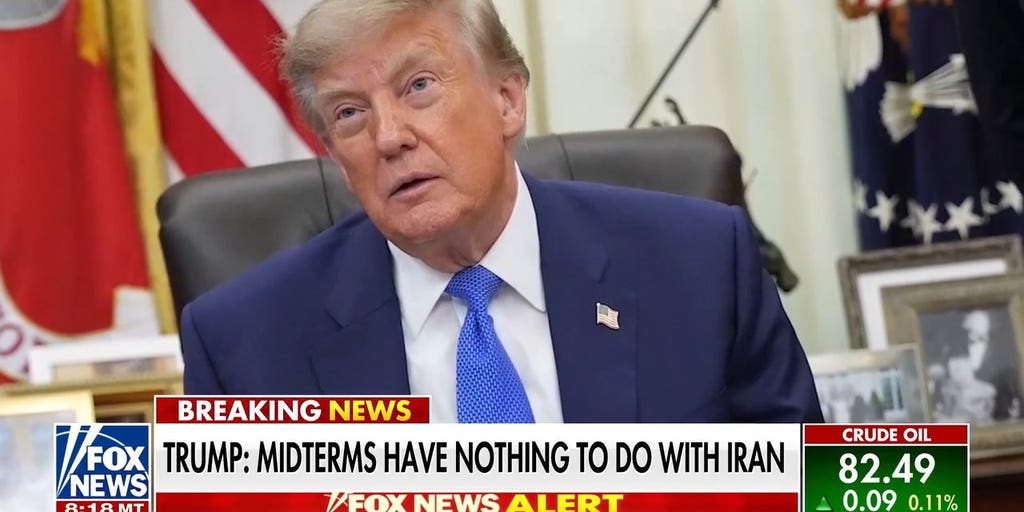
Tensions in the Middle East have reached a boiling point as the 60-day negotiation period with Iran concludes without a resolution. This situation prompted President Donald Trump to issue a stern warning regarding the Strait of Hormuz, suggesting he may consider designating it as U.S. territory. Amid this escalating conflict, Rep. Brian Mast from Florida provided insights on the current dynamics and the implications of U.S. military deployments in the area during his appearance on ‘America’s Newsroom.’
Stalled Negotiations and Rising Tensions
As the clock ran out on diplomatic discussions with Iran, the prospects for a peaceful resolution appear increasingly bleak. The failure to reach an agreement during this critical period highlights the difficulties of engaging with Tehran, which remains steadfast in its ambitions despite international pressure. The absence of a viable negotiation framework has left many analysts speculating about the potential consequences of continued hostilities, not just for Iran but for the entire region.
U.S. Military Strategy in the Region
In response to the escalating situation, Rep. Brian Mast emphasized the importance of a robust U.S. military presence in the Middle East. He pointed out that strategic deployments of American forces are crucial to deterring Iranian aggression and ensuring the safety of vital shipping routes. The Strait of Hormuz is of immense economic significance, as it serves as a crucial transit point for a significant portion of the world’s oil supply. With tensions running high, the presence of U.S. military assets acts as a stabilizing factor while also signaling to Iran the readiness of American forces to respond if necessary.
The Potential for Confrontation
President Trump’s declaration regarding the Strait of Hormuz could trigger a new wave of confrontation in an already volatile region. By considering the strait as U.S. territory, the administration may be signaling an intention to take firmer action against Iran’s activities. Many experts warn that this approach might provoke further tensions, potentially leading to a military conflict should Iran choose to challenge U.S. assertions in the region. The dynamics at play could result in a precarious balance between deterrence and escalation, making the stakes incredibly high.
International Implications and Future Outlook
The international community is closely monitoring the situation, as the repercussions of U.S.-Iran relations extend far beyond the Middle East. Allies and adversaries alike are evaluating their positions and strategies in light of recent developments. Should the U.S. adopt a more aggressive stance, it could prompt reactions from other global powers, potentially reshaping alliances and impacting global oil markets. The coming weeks and months will be pivotal in determining not just the fate of negotiations with Iran but also the broader geopolitical landscape in the region.
In conclusion, the failure to reach an agreement during the recent negotiations with Iran underscores the complexity of the situation and the significant risks involved for both nations and the global community. With the potential for confrontation looming and military strategies being reassessed, the world watches as the U.S. navigates these treacherous waters.