
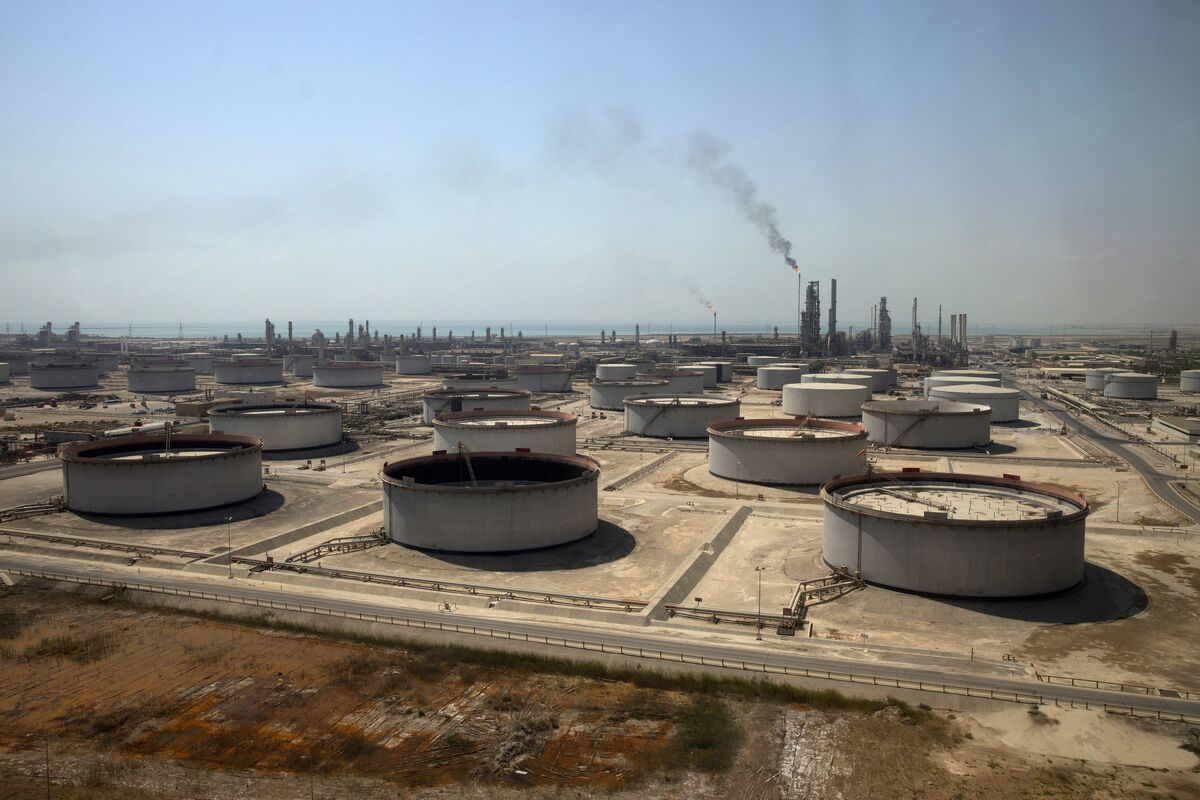
Saudi Arabia is making strategic moves in the oil market, proposing the sale of crude oil from offshore facilities near Oman. This development indicates the kingdom’s intention to increase its oil flow through the vital Strait of Hormuz, aligning more closely with similar actions undertaken by the United Arab Emirates (UAE).
Strategic Oil Sales from Oman
The announcement regarding the sale of oil from offshore sites near Oman showcases Saudi Arabia’s adaptability in a competitive oil landscape. By diversifying its export routes, the kingdom aims to mitigate risks associated with regional tensions and maritime disruptions. The Strait of Hormuz is a critical chokepoint, accounting for a significant percentage of global oil shipments. In recent years, geopolitical tensions have underscored the need for oil-producing nations to secure alternative shipping methods and routes.
The collaboration with Oman not only enhances Saudi Arabia’s export capacity but also strengthens its ties with neighboring countries in the Gulf region. By leveraging Oman’s strategic location, Saudi Arabia can effectively transport more oil to global markets while circumventing potential bottlenecks that may arise in the Strait.
Alignment with the UAE’s Strategy
Saudi Arabia’s decision comes as the UAE also seeks to shuttles more of its crude oil through alternative routes. The UAE has already initiated measures to expand its exporting capacity, which serves as a blueprint for Saudi Arabia’s current strategy. It’s clear that both countries are taking proactive steps to ensure uninterrupted oil supplies, especially in light of the volatile geopolitical climate that can easily disrupt traditional shipping methods.
The move signifies a broader trend among Gulf states to enhance their energy security by rethinking logistical strategies. By diversifying shipping routes and increasing cooperation with neighboring states, these nations may better respond to shifts in global demand and potential threats to their exports.
Implications for Global Oil Markets
The implications of Saudi Arabia’s announcement are significant for global oil markets. An increase in the availability of crude from the region could impact pricing dynamics, particularly if shipments through alternative routes become more reliable. Traders and analysts will be closely monitoring these developments as they can influence both short-term and long-term market behavior.
Furthermore, as more oil flows from Saudi Arabian and UAE sources via the Strait of Hormuz, it might lead to greater competition among nations for market share. This competition could trigger price adjustments that resonate through the energy sector and beyond, affecting a range of industries reliant on oil.
In conclusion, Saudi Arabia’s initiative to sell oil from offshore sites near Oman is a strategic response to evolving market conditions and geopolitical uncertainties. By learning from the UAE’s actions and expanding cooperation with neighboring countries, the kingdom is positioning itself to maintain its prominence in the global oil market while ensuring a more secure and diversified export framework.