
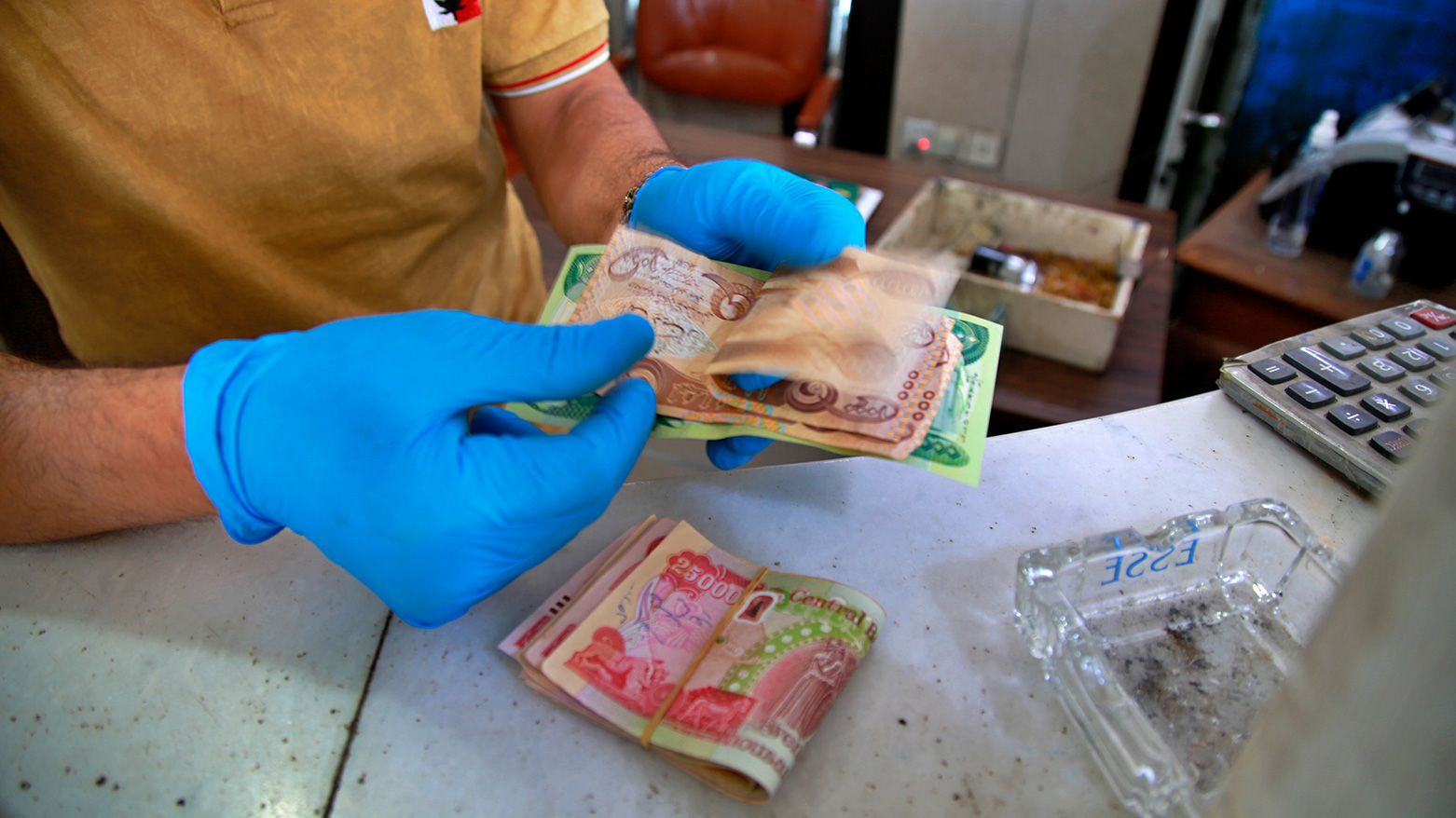
Iraq’s monetary landscape is buzzing with anticipation as the discussion around removing zeros from the dinar surfaces once again. Communications Minister Mustafa Sanad announced that the Iraqi government has concluded that the currency will be reprinted following this significant alteration. However, the Central Bank of Iraq (CBI), the institution responsible for monetary policy, has yet to confirm this timeline, leaving many questions unanswered.
What Does Removing Zeros Mean for Iraq?
The concept of removing zeros, often referred to as redenomination, involves altering the numerical denominations of banknotes without shifting the actual purchasing power of the currency. For instance, a scenario where 1,000 old dinars equals one new dinar would mean proportional adjustments to prices, wages, and contractual values. This initiative aims to simplify financial transactions and reduce the volume of cash in everyday circulation.
Earlier conversations from the CBI framed the move as a necessary administrative reform that not only streamlines accounting processes but also aids in achieving economic stability. By addressing issues tied to a significant cash economy, where high denominations can complicate transactions, redenomination could pave the way for a more efficient financial system. Additionally, it may promote a gradual shift towards a more organized banking sector by enticing individuals and businesses to deposit large cash reserves into formal financial institutions.
Current Economic Context and Motivations
The renewed focus on this redenomination proposal comes amidst Iraq’s attempts to modernize its predominantly cash-based economy while navigating substantial fiscal pressures. With a reliance on oil revenues, Iraq’s financial health fluctuates significantly based on global crude prices. The increasing number of zero-value notes circulating complicates both daily transactions and broader economic activities, making it essential for the government to consider a practical solution.
Implementing a currency reform isn’t merely a numeric exercise. It also serves as a catalyst toward promoting formal banking practices, which could have positive long-term effects. The potential for redenomination to simplify financial reporting and encourage deposits is especially pertinent in an economy characterized by large cash holdings.
Potential Risks and Challenges
However, any decision to proceed with currency redenomination carries considerable risks and challenges. Implementation would demand meticulous planning, including coordination among the government, the CBI, and various financial institutions. A comprehensive public awareness campaign would be necessary to guide citizens and businesses through the transition. This effort would aim to mitigate potential complications arising from Iraq’s significant informal cash economy.
Additionally, the potential for counterfeiting during the currency exchange process poses a threat to the integrity of the financial system. Political consensus across Iraq’s fragmented landscape is also crucial for successfully navigating the redenomination process. The involvement of various bodies such as the Finance Ministry and Parliament is essential to ensure a smooth transition.
The Path Forward for Iraq’s Currency
Sanad’s recent announcement rekindles a longstanding discussion about reforming Iraq’s currency but also raises questions about the readiness for implementation. The CBI’s role will be pivotal in determining the future of this proposal. For the Iraqi populace, the real significance of any currency change will hinge largely on the accompanying measures—monetary stability, robust banking systems, and clear conversion guidelines will be vital for instilling public confidence.
Until the supporting structural changes are firmly established, the idea of removing zeros may remain just that—an intriguing proposal rather than an imminent reality. The journey toward a more stable monetary framework is complex, yet it represents a crucial step for Iraq’s economic future. Emphasis on transparency and active engagement with the financial community will be vital to reassure citizens about the stability and value of their new currency.