
This week marks the 59th anniversary of the Six-Day War, a pivotal conflict during which Israel gained control over key territories, including Judea, Samaria, and the Old City of Jerusalem. This moment in history not only transformed regional dynamics but also remains a significant point of reflection regarding military preparedness and strategic assessments.
Background of the Six-Day War
The Six-Day War was ignited by Egypt’s breach of a demilitarization agreement established after the previous conflict, Operation Kadesh. On Israel’s Independence Day in 1967, Egyptian President Nasser moved large military forces into the Sinai Peninsula, an area that had been largely free from military presence for a decade, thanks to UN peacekeeping efforts. This alarming move raised immediate concerns within Israel and led to speculation about potential aggression.
As reported by the newspaper Maariv on May 16, 1967, U.S. officials advised Israel to take Egypt’s military display lightly. However, this counsel proved to be a miscalculation, as the regional tensions escalated rapidly. Although Israel ultimately achieved a swift victory in the war, it highlighted an intelligence failure similar to that witnessed during the Yom Kippur War. The 1967 conflict, unlike the surprise assault in 1973, allowed Israel to act preemptively after recognizing the tangible threats posed by its neighbors.
Current Concerns in the Sinai Peninsula
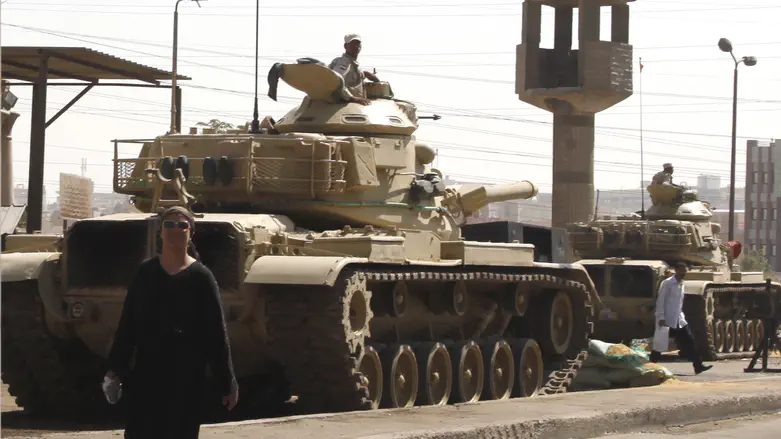
Reflecting on past lessons, recent reports indicate troubling developments regarding Egypt’s military presence in the Sinai Peninsula, which breaches the existing peace agreement. Reports suggest that Egyptian forces now include over 60,000 soldiers, numerous tanks, and heavy artillery systems, marking a significant shift from the agreed-upon demilitarization of the region. Additional deployments of ground troops and advanced air-defense systems have also been reported.
The crucial component of the peace deal with Egypt—maintaining a demilitarized landscape in Sinai—has been eroded substantially. Recent findings indicate a robust presence of advanced military weaponry and elite forces, notably between El-Arish and the Israeli border. The deployment of U.S.-made Abrams tanks and sophisticated air defense systems signifies a potential shift in military balance.
The Need for Vigilance and Action
Israel seems to be responding to these developments with an inadequate level of urgency. The key takeaway from both the Six-Day War and subsequent conflicts like the Yom Kippur War is that adversaries should be evaluated based on their military capabilities rather than their stated intentions. Given the current militarization in Sinai, Israel must reassess its posture and responsibilities in safeguarding its borders.
Even if Israel currently aims to avoid direct confrontation with Egypt, it is vital to address these violations openly and decisively. Publicly reinforcing military readiness along the Egyptian border and urging the United States—acting as a guarantor of the peace agreement—to pressure Egypt into compliance is crucial. Silence or complacency in the face of such developments poses significant risks and undermines regional stability.
In conclusion, as the 59th anniversary of the Six-Day War serves as a reminder of historical lessons, vigilance in assessing threats is paramount. The changing military landscape in Sinai calls for a proactive stance to ensure Israel’s security and maintain the integrity of international agreements.