
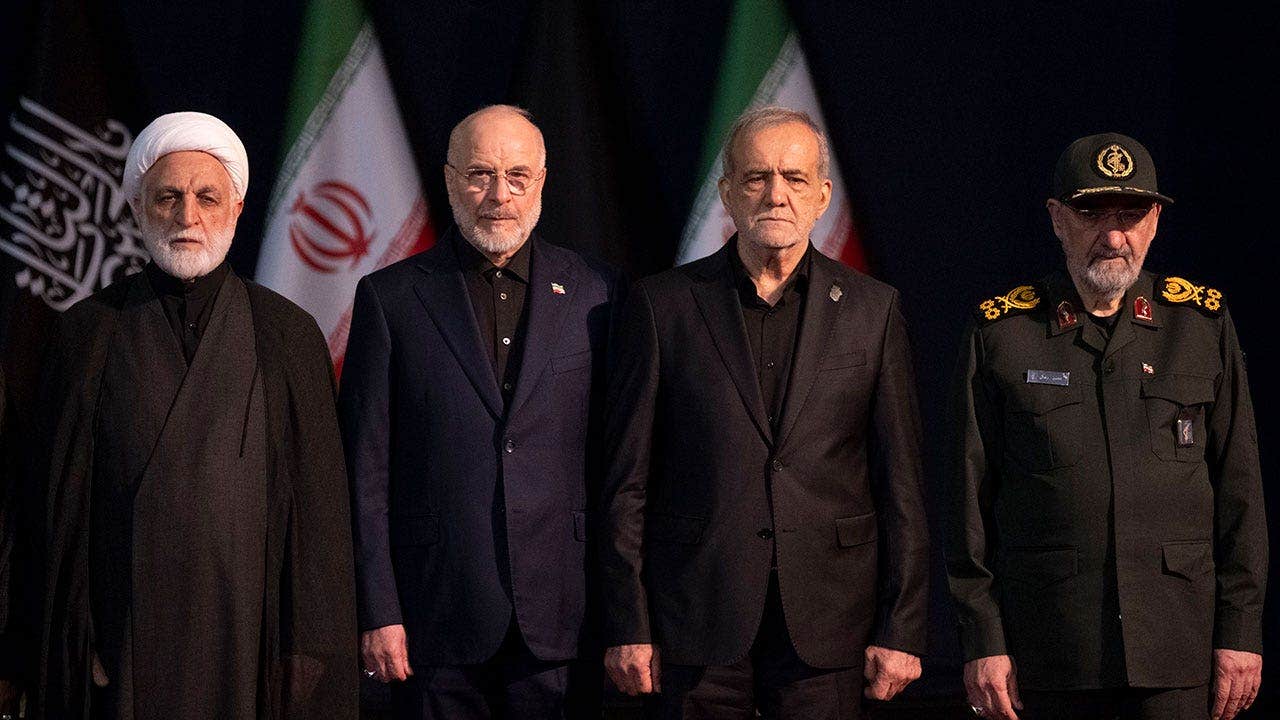
Iran is undergoing a significant reshuffling of its military and security leadership, initiated by a series of high-profile appointments intended to stabilize its operations amid ongoing conflicts. This overhaul draws heavily on experienced figures from Iran’s past, raising questions about the implications for the nation’s military direction and policy-making.
Military Restructuring Post-Wartime Losses
In light of recent wartime setbacks, particularly from U.S.-Israeli strikes that have decimated key military leaders, Iran has turned to veteran commanders whose careers extend as far back as the 1979 Islamic Revolution. The Iranian government aims to reinforce its military strategy by reinstating seasoned individuals. Washington’s concerns are not only about personnel changes but also about the broader trend that consolidates power in the hands of hardliners.
This latest reshuffle sees Ahmad Vahidi, a known hardline figure with ties to numerous terror incidents, being promoted to commander of the Islamic Revolutionary Guard Corps (IRGC). His history includes involvement in critical events such as the 1983 Beirut bombing and the 1994 AMIA bombing in Buenos Aires, contributing to a perception that his ascent marks a troubling continuity in Iran’s aggressive military posture toward regional and international adversaries.
Key Appointees and Their Roles
The changes extend across all branches of Iran’s military, featuring notable figures like Hossein Taeb, appointed head of the Basij paramilitary force. Taeb’s past role in suppressing internal dissent adds a layer of concern as the Basij has been instrumental in quelling public protests. His return is seen by some as an indication of the regime’s reliance on familiar, loyal figures rather than fresh ideas.
Mohsen Rezaei, another veteran appointed as secretary of the Supreme National Security Council, symbolizes a reversion to older strategies, raising eyebrows as he has been involved in several controversial military incidents throughout his career. Rezaei’s long tenure in Iranian politics correlates with a troubling trend: the diminishing diversity of thought among Iran’s leadership. Analysts argue that the regime is running out of new recruits capable of strategic military planning, leaning increasingly on those well-versed in its long-standing ideologies.
Strategic Implications and Considerations
The reliance on experienced commanders, many known for their hardline stances, reflects a potentially narrowing circle of decision-makers in Iran—a dynamic that complicates prospects for diplomatic engagement. Washington’s efforts to re-establish negotiations with Tehran may face challenges, as the newfound leadership emphasizes ideological loyalty over adaptability. Hence, the reshuffling could indicate not a revival of alternative perspectives but a strengthened hardline approach that aligns closely with Supreme Leader Ayatollah Khamenei’s vision.
Moreover, with Ali Abdollahi’s promotion to chief of staff of the Armed Forces, the military’s operational capacity is expected to realign more closely with the IRGC’s strategic objectives. These adjustments suggest that Iran is preparing for prolonged confrontations, particularly with the West, and reflects a calculative approach to manage both domestic unrest and external threats.
Scenarios in which these leadership changes could influence regional stability are manifold. The specific appointments signal Tehran’s intent to consolidate military power firmly rooted in revolutionary principles, which may lead to increased tensions within the Middle East and beyond. The overarching strategy seems geared toward maintaining a balance of power against external pressures, particularly from nations like the United States, suggesting that these military leaders could intensify Iran’s confrontational stance in the region.
Overall, these changes depict a regime that prioritizes ideological consistency over innovation, possibly paving the way for escalated conflicts both at home and abroad. As Iran strengthens its military apparatus, the long-term implications for international relations and regional security remain a significant concern for global policymakers.