
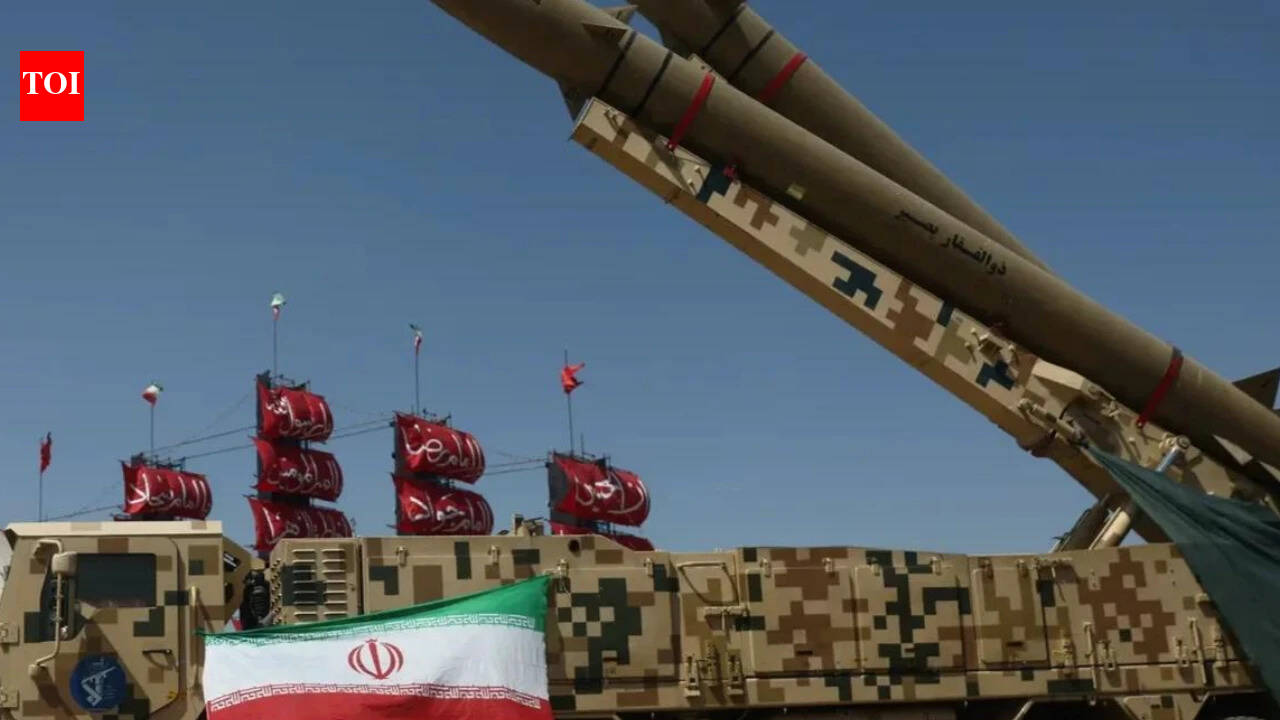
The recent escalation of tensions in the Gulf region has sparked concerns about security and stability among neighboring countries. On Tuesday, the United Arab Emirates (UAE) announced that it detected two ballistic missiles launched from Iran. These developments come amid ongoing diplomatic efforts involving Iran and Oman to reopen the strategically vital Strait of Hormuz. Understanding these events is essential for assessing the broader implications for regional security.
Missile Launches and Regional Security
The UAE’s Ministry of Defence has confirmed that both missiles fell into the Gulf waters, one outside and one within UAE territorial limits. Although these projectiles did not result in casualties, the incident reflects growing military activities in the region and raises alarms about potential aggression from Iran. The UAE asserts its commitment to protecting national sovereignty and security, emphasizing its readiness to confront any threats posed to the state. The heightened military alert underscores the UAE’s proactive stance in safeguarding its interests.
Impact on Maritime Navigation
The missile launches occurred during ongoing discussions between Iran and Oman aimed at reopening the Strait of Hormuz, a critical passage for global maritime trade. The strait is vital for the transport of oil and goods, and disruptions here can have significant repercussions for the global economy. Recent data shows a notable decline in vessel traffic through the strait, with a 19.5% drop reported last week. Only a handful of ships managed to navigate this critical waterway, highlighting the increasing caution among mariners amid rising tensions.
This decline in maritime activity is compounded by other incidents, including an unidentified projectile damaging a ship’s engine room near Oman, underscoring the growing risks associated with navigating these waters. The British military’s UK Maritime Trade Operations center has been closely monitoring these developments, emphasizing the need for increased vigilance.
US Involvement and Diplomatic Tensions
In the United States, President Donald Trump has stated that there are currently no plans for talks with Iran. Despite this stance, he reaffirmed the U.S. commitment to keeping the Strait of Hormuz open and operational. Trump also mentioned that the global blockade of Iranian ports remains intact, further complicating the diplomatic landscape. This situation is precarious, with conflicting narratives emerging about naval dominance and territorial claims over the strait.
Iran’s Deputy Foreign Minister, Kazem Gharibabadi, responded directly to Trump’s comments on social media, signaling the continuing diplomatic rift between the two nations. His remarks indicate a strong determination from Iran to assert its position on territorial claims and regional influence. This back-and-forth highlights the fragile nature of international relations in the Gulf and the potential for misunderstandings to escalate into conflict.
Future Implications for Regional Stability
The evolving situation in the Gulf region poses significant challenges for regional stability. As missile launches continue and diplomatic dialogues remain fraught with tension, neighboring countries must remain vigilant. The implications extend beyond immediate military threats; economic interests, particularly those related to oil transportation, are increasingly at risk. The international community must closely monitor these dynamics to preempt further escalations that could destabilize the region.
In conclusion, the missile alerts from Iran and the subsequent responses from the UAE are emblematic of the complexities involved in Gulf geopolitics. As nations navigate these treacherous waters—both literally and figuratively—the stakes are rising. Ensuring maritime safety while pursuing diplomatic solutions will be paramount for preserving stability in this critical area of the world.