
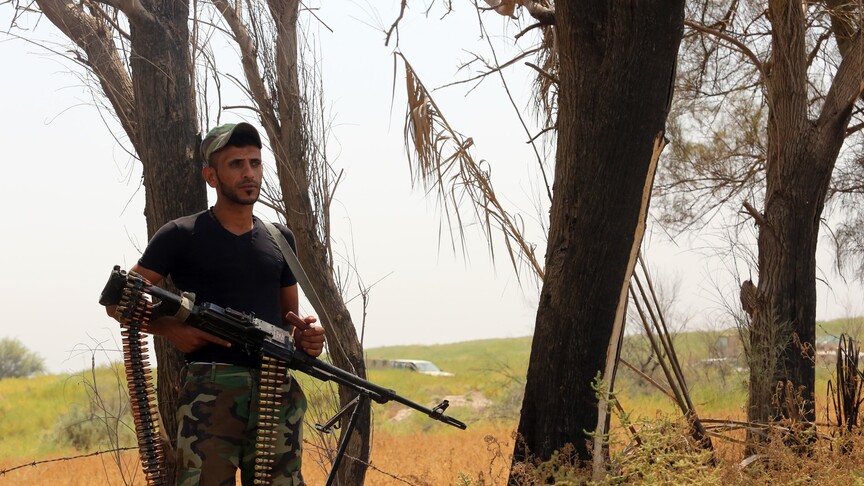
Iraq’s Push for Arms Control: PMF Factions Hand Over Weapons
On August 18, 2026, recent developments have emerged in Iraq as various factions part of the Popular Mobilization Forces (PMF) initiate the process of surrendering their weapons. This action is part of a broader government strategy aimed at consolidating armaments under state authority, as confirmed by security officials in the country.
Initiation of Weapons Handovers
Lieutenant-General Saad Maan, who leads the Iraqi Security Media Cell, announced that multiple factions have already commenced the process of weapon handovers, while others are considering similar actions. According to him, these steps are part of a series of legal and institutional measures designed to regulate the activities of armed groups within Iraq’s official military framework.
Strengthening State Authority
The overarching goal of this initiative is to bolster the authority of the Iraqi state and reinforce the rule of law. Maan stressed that the program is not aimed at targeting any specific faction or group. He noted that the policy is inclusive, applying to weapons held outside official state institutions—whether they belong to tribal entities or remain unregulated by existing laws.
The PMF, which was originally established in 2014 following a call from Grand Ayatollah Ali al-Sistani for volunteers to combat the Daesh terrorist organization, was formally integrated into Iraq’s military structure in 2016. This reorganization is essential for maintaining legislative integrity and security within the country.
Ensuring Rights of Fighters
Maan also highlighted that the PMF is committed to protecting the rights of fighters from various factions, as well as their families, in accordance with the laws in place. This aspect of the initiative aims to account for the interests of those who have served in various capacities within the PMF. Maan has reiterated that the aim is not to create tensions with armed groups but to ensure a stable and secure environment for all.
Despite some concerns about possible confrontations, Maan firmly stated that the Iraqi government does not seek conflict with any armed faction. He characterized the ongoing weapon management initiative as a constitutional obligation essential to the country’s security and stability.
Ongoing Challenges in Weapons Control
In June, a military spokesperson announced the formation of a committee specifically tasked with overseeing the critical initiative to regulate unregistered weapons in Iraq. This issue represents one of the country’s most significant political and security dilemmas, with some armed factions continuing to operate under PMF, while others act independently.
The Iraq government’s approach emphasizes community security and state stability rather than conflict, suggesting that the ongoing initiatives are pivotal for a peaceful environment. As the situation unfolds, the implications for both governance and the future of the PMF will be closely watched, marking a crucial phase in Iraq’s ongoing journey toward peace and stability.