
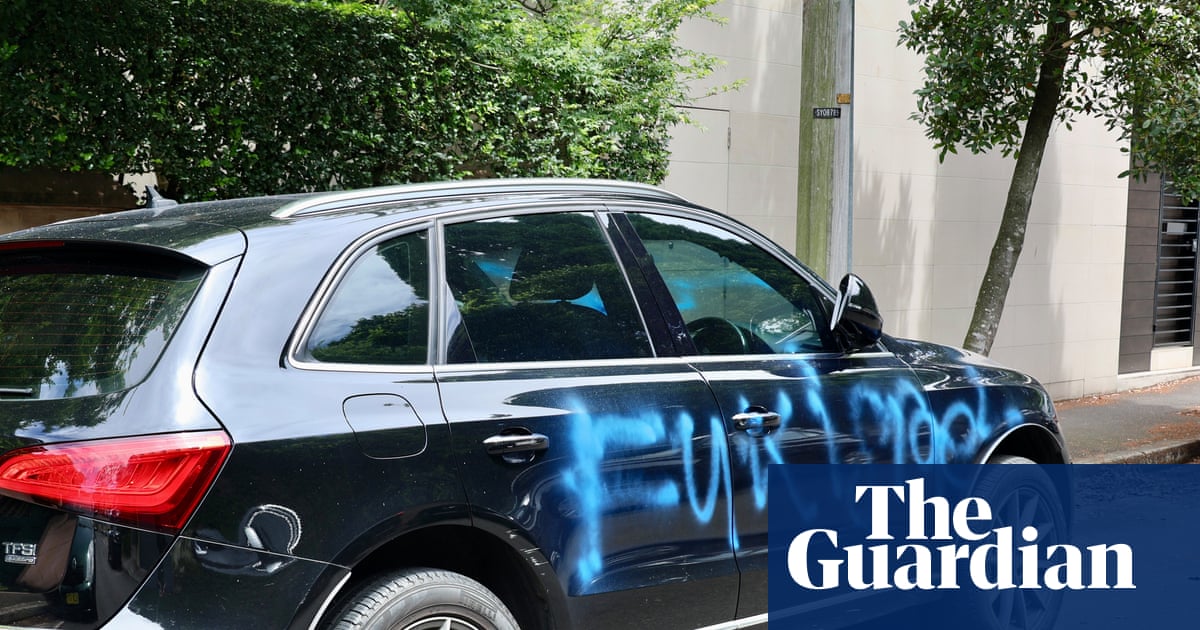
Mohommed Farhat has been incarcerated for almost two years after confessing to multiple property damage charges, including vandalizing cars with the phrase “Fuk Israel” and burning another vehicle in late 2024. Recently, New South Wales Supreme Court Justice Desmond Fagan ruled that law enforcement and various judicial bodies wrongly categorized Farhat’s actions as antisemitic, resulting in an unjustly severe sentence.
### Misclassification of Intent
Justice Fagan emphasized in his judgment released this week that the phrase “Fuk Israel” should be viewed as a political expression directed at a government rather than as an act of antisemitism. He criticized the International Holocaust Remembrance Alliance’s (IHRA) definition of antisemitism for being “detached from reality” and “inept.” This finding came after the state had previously attempted to label Farhat as a future terror risk based on what Fagan described as misconceptions about his motivations. In court, he stated that the initial proceedings were derailed due to misleading claims connecting his political expressions to antisemitism.
### Oversight in Law Enforcement
Farhat was arrested after he and a collaborator vandalized vehicles and buildings with inflammatory slogans. Although he pleaded guilty, he maintained that he was coerced into these actions, suggesting he was manipulated by a third party. A hearing in July revealed that counter-terrorism units recognized Farhat was recruited, but crucial intelligence regarding this fact was never disclosed to the prosecution or the sentencing magistrate. This lack of transparency contributed to the magistrate’s decision to view his actions through an inappropriate lens, leading to an aggravated sentence of 20 months.
In addition, Fagan pointed out that the prosecution failed to submit important evidence that could have refuted the claims of antisemitism, including bank statements that indicated Farhat had received payment for his actions. The justice ruled that the magistrate’s judgment was fundamentally flawed and emphasized the need for authorities to provide a more nuanced understanding of political speech as separate from hate speech.
### Critique of Established Definitions
Fagan devoted significant attention to the distinction between criticism of Israel and antisemitism, arguing that many Jewish individuals openly criticize Israeli policies. He expressed disbelief that Farhat’s statements could be classified as antisemitic when they align with the opinions of many Jewish critics of Israel. Moreover, he rejected the prosecution’s argument that the context of the vandalism, specifically its proximity to Jewish neighborhoods, imbued the phrases with antisemitic meaning.
Justice Fagan was highly critical of the IHRA definition and noted a prevailing sentiment among the Australian public against Israel, shedding light on broader societal views. He argued that labeling such widespread disapproval as antisemitism is unjust and that citizens should have the freedom to express their opinions about foreign policies without fear of being branded as hateful.
### Continuing Legal Battle
As Farhat’s legal team contemplates future actions regarding the perceived miscarriage of justice, NSW Labor MP Stephen Lawrence commended the ruling, highlighting the clash between high-level legal analysis and politicized narratives conflating political criticism with antisemitism. The political landscape surrounding the case is contentious, and calls for a reassessment of the initial judgment may be on the horizon.
Farhat’s circumstances remain precarious, with additional hearings planned to determine his potential early release. Justice Fagan has indicated that he will engage with the state’s parole authority in hopes of correcting what he deems an evident injustice. However, the prosecution’s stance raises questions about the future of Farhat’s freedom and the prevailing attitudes towards expressions of political dissent in Australia.
For now, Mohommed Farhat remains in prison as efforts continue to address the judicial errors that have shaped his ongoing ordeal.