
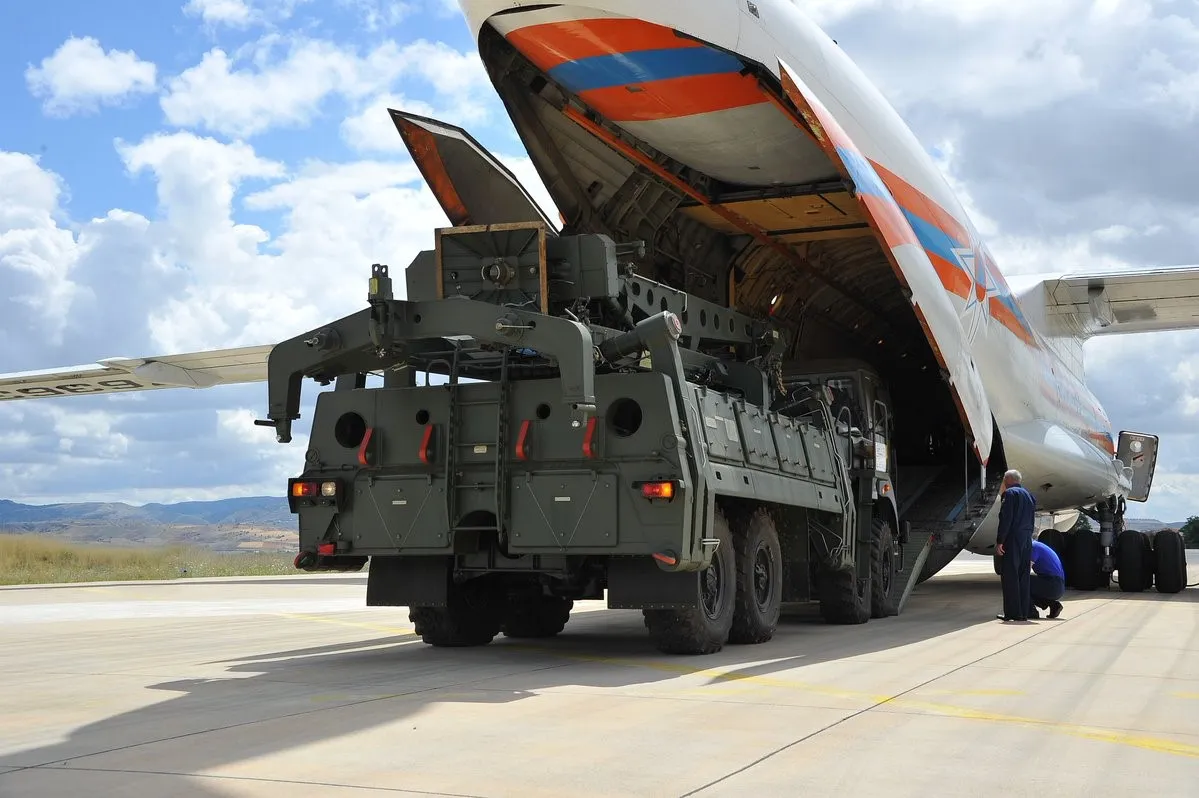
Turkey’s pursuit of the F-35 fighter jet program has encountered significant setbacks due to its failure to successfully sell the S-400 missile system. The intricate dynamics surrounding this military procurement have profound implications for Ankara’s defense aspirations and its relationship with the United States and NATO.
Stalled F-35 Program
The F-35 initiative, a pivotal venture for Turkey’s modernization of its air force, has faced delays since the United States announced plans to sell these advanced aircraft. The deal, which was intended to enhance Turkey’s military capabilities, is now stagnating primarily because Ankara has yet to offload the controversial S-400 missile defense systems acquired from Russia. This has created significant friction not only between Turkey and the U.S. but also with NATO allies, who have expressed concerns over the operational compatibility of the S-400 with NATO defense protocols.
Impact of the S-400 Acquisition
Turkey’s decision to procure the S-400s has been met with widespread condemnation by Western nations. The United States has responded by suspending Turkey’s involvement in the F-35 program, emphasizing the incompatibility of the Russian system within the NATO framework. This suspension affects not only Turkey’s access to the F-35s but could also undermine its defense manufacturing industry, as local production plans and technology transfers are hindered. Without a viable exit strategy for the S-400s, Turkey’s aspirations to acquire state-of-the-art military technology are increasingly jeopardized.
Geopolitical Ramifications
The ramifications of Turkey’s situation extend beyond military procurement. Ankara’s relationship with the U.S. remains tense, complicating strategic alliances within NATO. Turkey’s geopolitical maneuvering, including its alliance with Russia, has sparked unease among members of the alliance, who worry about the emerging dynamics in Eastern Europe and the Middle East. As the situation evolves, Turkey’s defense posture may either push it toward a more isolated stance or compel it to pursue new alliances with nations outside of traditional Western partnerships.
The Path Forward
Ultimately, to revitalize its commitment to the F-35 program, Turkey must navigate these complex geopolitical waters adeptly. A potential solution could involve diplomatic negotiations aimed at finding a way to either relocate or repurpose the S-400 systems in a manner that mitigates NATO’s security concerns. Additionally, fostering collaboration within the defense sector could enhance Turkey’s domestic capabilities, ensuring its military modernization goals are not entirely obstructed.
In conclusion, Turkey’s struggle regarding the F-35 program is emblematic of the broader challenges it faces on the international stage. The country’s ability to maneuver through its current predicament will not only impact its military capabilities but will also play a significant role in reshaping its role within NATO and its relationships with key global powers. Moving ahead, Turkey must find a balance between nurturing its defense industry, maintaining its alliances, and pursuing its strategic objectives in an increasingly polarized global environment.