
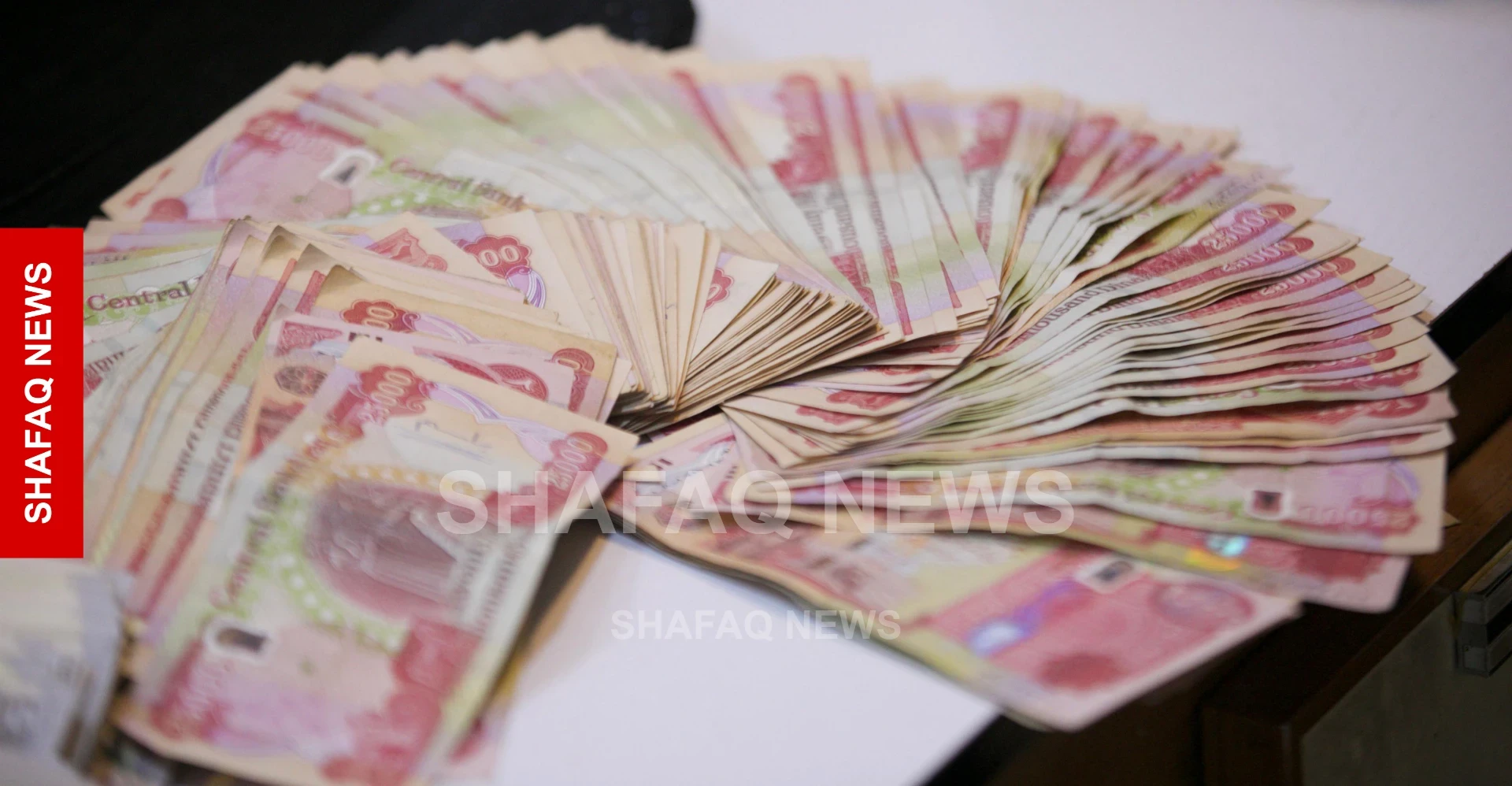
The ongoing debate in Iraq regarding the proposed removal of three zeros from its currency, the dinar, has gained traction recently. As lawmakers weigh the possibility of enacting a “currency redenomination law” within a broader framework of economic measures, the complexities of this initiative come to light.
Understanding Currency Redenomination
The concept of removing zeros from a currency has been in discussion for years, particularly as Iraq grapples with liquidity challenges and the financing of public expenditures. Proponents advocate that redenominating the currency could facilitate transactions and enhance efficiency in cash circulation. However, many economists advise caution, arguing that merely adjusting the currency’s denomination won’t resolve deeper financial problems plaguing the economy. They believe that a currency switch is not a panacea and would not address the fundamental issues of liquidity and fiscal health.
The urgency surrounding this proposal escalated after Communications Minister Mustafa Sanad announced intentions to move forward with it, indicating that the change could impact about 8 trillion dinars (approximately $6.1 billion) associated with misappropriated public funds. His assertion suggested that a new currency could effectively render these stolen funds worthless post-transition, raising both hopes and skepticism about the potential efficacy of such a move.
The Timing and Implications of Redenomination
Economic analysts, such as Ahmed Eid, argue that the timing of this redenomination is ill-suited, given Iraq’s prevailing financial constraints and governmental responsibilities. He posits that the focus should be on ameliorating the root causes of the financial crises rather than on a straightforward change in currency value. Removing zeros from the dinar won’t create new liquidity or address public debt; rather, it merely alters the currency’s nominal appearance without affecting its real-world value.
Eid emphasizes that transitioning to a three-zero removal would result in 1,000 old dinars being equal to one new dinar, making no real difference in citizens’ wealth. Furthermore, poorly managed transitions could spur risks like price hikes, market speculation, and confusion regarding financial contracts, thereby exacerbating existing hardships.
Analyzing Economic Consequences and Strategies
Industry expert Salam Zidan highlights that while redenomination could simplify financial calculations—transforming budgets from trillions to billions—such a move would not correct underlying economic distortions. People may still convert illicit funds into more stable assets, limiting any potential benefits from merely changing banknotes. Implementing such a reform would entail extensive preparations, including printer operations for new banknotes and transitioning banking systems, which could be a logistical nightmare if not handled correctly.
Specialist Mustafa Hantoush discusses how Iraq currently operates under a restrictive budgeting framework, which limits expenditures based on previous year actual expenditures. Given falling oil revenues and increasing public spending pressures, the focus should prioritize systemic reforms that could foster economic stability rather than simply revamping the currency.
Additionally, experts emphasize that currency strength is inherently linked to the overall economic environment. A robust economy that can produce goods and services will naturally support a stable currency, rendering the issue of zeros somewhat superficial in the grand scheme of fiscal policy. To truly support the dinar and restore economic confidence, Iraq should focus on enhancing its productive sectors and diversifying its revenue sources, rather than solely seeking cosmetic changes in its currency structure.