
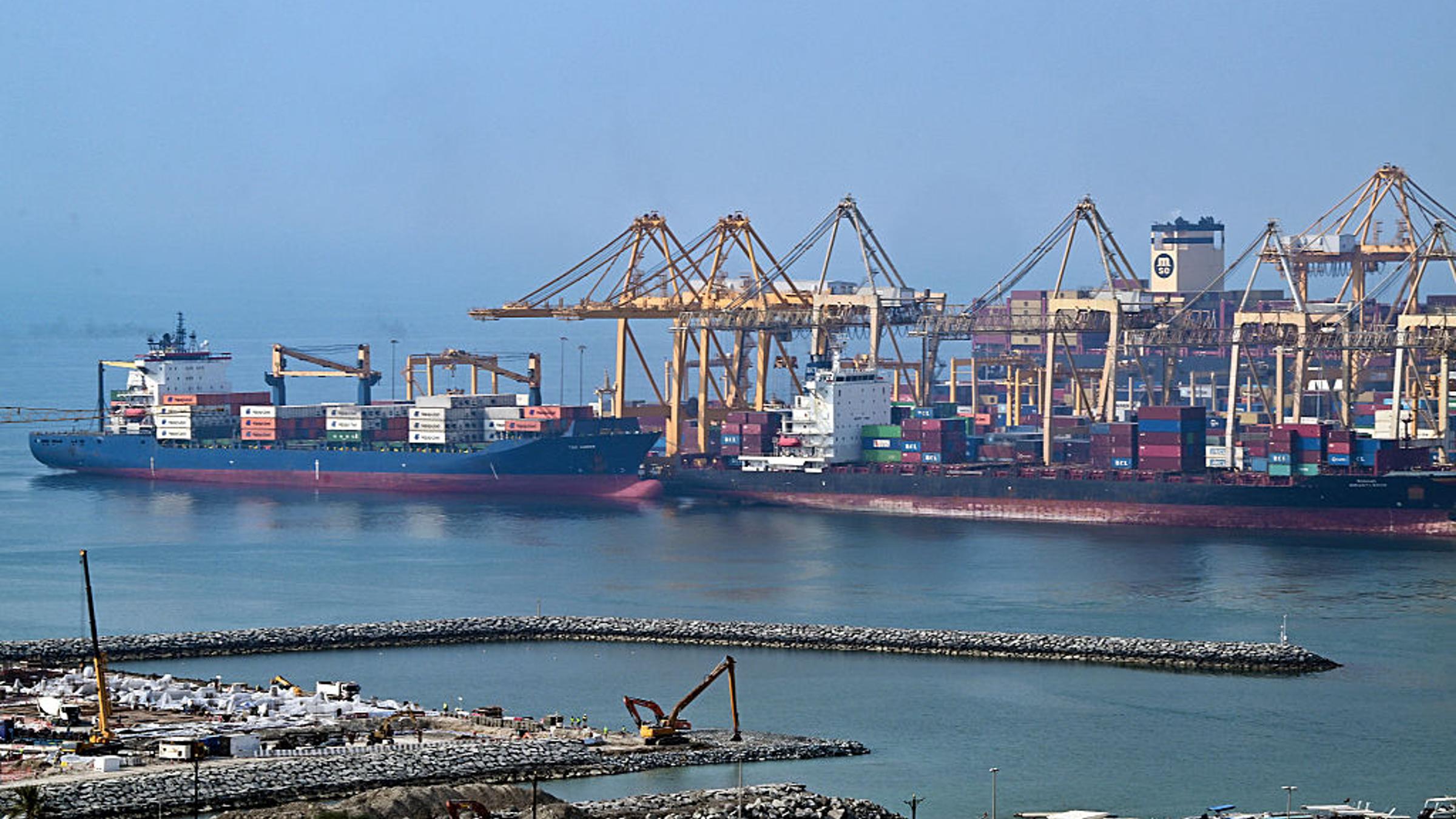
The recent escalation of tensions between Iran and the United Arab Emirates has heightened concerns in the Gulf region. In the initial weeks of the ongoing conflict, Iran executed a series of aggressive strikes targeting various infrastructures in the UAE, including military and civilian installations. The Islamic Revolutionary Guard Corps (IRGC) declared their intent to “punish aggressors throughout the region,” focusing on U.S. military assets in the UAE and other Gulf countries.
Current Status of Peace Negotiations Between the U.S. and Iran
Peace negotiations between the United States and Iran have stalled recently, raising questions about future diplomatic efforts. There has been minimal advancement in talks, with indications that both sides are struggling to find common ground. Communication has dwindled significantly, creating an atmosphere of uncertainty regarding diplomatic relations.
President Donald Trump recently stated that there are “no talks or conversations” scheduled between the U.S. and Iran. This assertion further complicates the situation, as it highlights the stagnation in diplomatic efforts aimed at de-escalating tensions. The ongoing naval blockade on Iranian ports remains firmly in place, which adds a layer of complexity to the negotiations.
Implications for Regional Stability
The consistent military actions and the lack of dialogue significantly impact the overall stability of the Gulf region. As Iran continues its military operations, other Gulf states are left to assess their own security measures in preparedness for potential escalations. The situation is precarious, with the possibility of further conflict looming on the horizon.
In addition, the U.S. continues its military presence in the region as a deterrent against Iranian aggression. This presence often escalates tensions, as Iran views American assets in the area as potential threats. The prospect of dialogue could serve as a critical avenue to reduce these hostilities, but the apparent deadlock in conversations suggests that significant diplomatic obstacles remain.
Looking Ahead: Opportunities for Diplomacy
Despite the current state of affairs, there remains hope for future diplomacy, albeit with caution. The international community is watching closely, and pressing for renewed negotiations may yield positive results. Both nations must acknowledge the benefits of constructive dialogue to mitigate conflict risks and stabilize the region.
As the situation evolves, the focus will need to shift toward more effective communication channels that can facilitate peace talks. It is crucial for both the U.S. and Iran to prioritize diplomatic avenues to foster a more stable environment in the Gulf, ultimately benefiting regional and international peace and security.
In conclusion, while the conflict’s recent developments are concerning, the potential for diplomatic solutions exists. By revisiting negotiations and fostering open dialogue, both nations can work toward a path that ensures greater stability for themselves and their neighbors.