
The recent cessation of trade relations between the United Arab Emirates (UAE) and Iran marks a pivotal moment in Middle Eastern economic dynamics. Following an escalation in military tensions, including missile attacks directed at the UAE, the UAE government has decided to suspend all commercial exchanges and financial transactions with Iran. This decision underscores the UAE’s commitment to maintain stability and integrity in the international financial landscape.
UAE Halts Trade with Iran Amid Rising Tensions
Afra Al Hameli, the Director of the Strategic Communications Department at the UAE’s Ministry of Foreign Affairs, announced the suspension of trade relations, citing the need to protect the international financial system in accordance with global standards and international law. This move aims to address the recent military provocations that have raised security concerns within the region. While the UAE continues to offer a path for dialogue and cooperation, the halt in trade signifies a significant shift in its economic relationship with Iran.
Tensions escalated after two ballistic missiles were fired from Iran toward the UAE on a recent Tuesday. Though no casualties occurred—both missiles landed in the sea—this marked a notable increase in hostilities. Iran, through its foreign ministry spokesman Esmail Baghaei, has denied any intention to target UAE territory, complicating the narrative further. The backdrop of these events traces back to the start of substantial military conflict on February 28, when the United States and Israel initiated attacks on Iranian targets, prompting Iran to retaliate with missile strikes on neighboring countries.
The Impact on Trade and Economic Relations
Historically, the UAE has hosted a significant Iranian community and has been a critical trading partner for Iran, especially before the outbreak of current conflicts. The recent unilateral decision to cease trade further isolates Iran economically and may complicate international relationships, shifting the balance of regional power. This freeze on trade does not explicitly address whether financial transactions routed through third-party countries will be banned, leaving some ambiguity regarding future economic ties.
The US Treasury’s Financial Crimes Enforcement Network previously cautioned banks about Iranian networks exploiting accounts set up in third countries, often utilizing UAE and Hong Kong companies in their operations. As both nations’ trade becomes limited, the future of Iranian economic activity could lean even more heavily on these opaque international networks, potentially prolonging the situation.
In a further response to the mounting tensions, Ali Abdollahi, Chief of Staff of Iran’s armed forces, warned Gulf nations against collaborating with the US military, suggesting that any assistance would imply active participation in military actions. This statement reflects the rising complexities in the geopolitical landscape. Despite assurances from several Middle Eastern nations declaring they would not allow their territory to be used for US military operations, doubts linger about their true involvement.
Maritime Security and Regional Stability
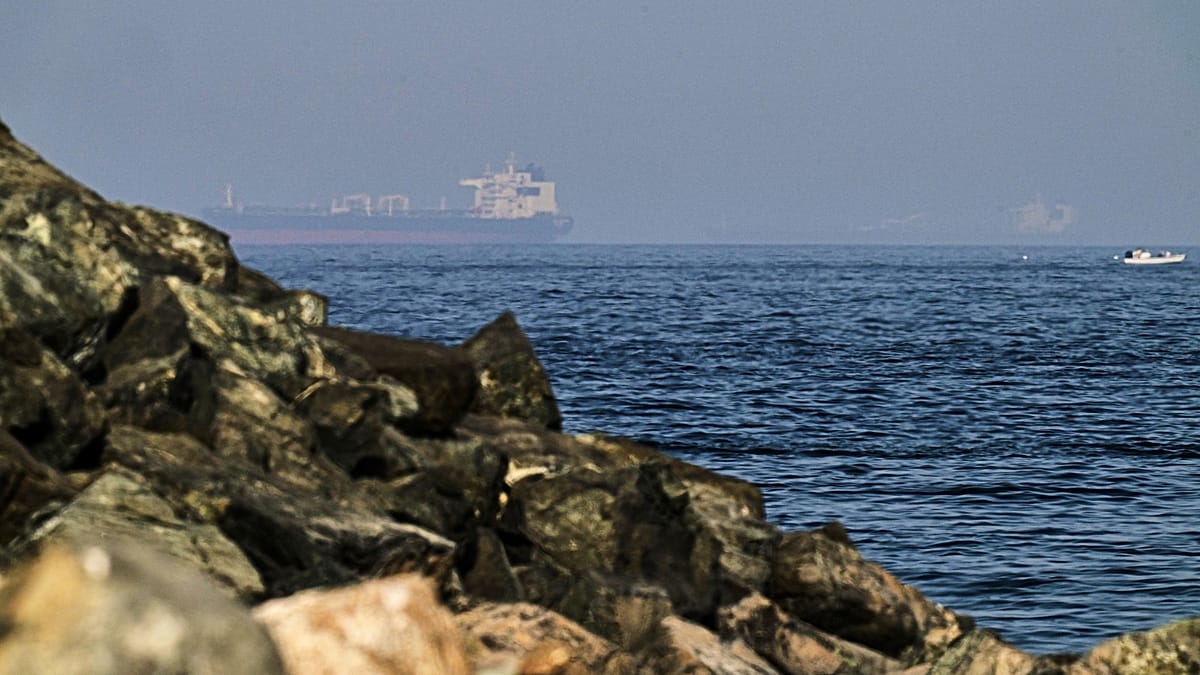
The Gulf region is increasingly becoming a theatre of military engagement with ongoing threats to maritime security. ADNOC, the state-owned oil company of the UAE, has reported multiple missile attacks targeting its vessels navigating the vital Strait of Hormuz. The UAE government has decried these attacks as violations of international law, characterizing Iran’s actions as acts of piracy. Protecting commercial shipping in these waters will be crucial for maintaining regional economic stability as tensions flare.
As countries sort out their new positions in this complex geopolitical landscape, oil flows through the Strait of Hormuz—central for global energy supplies—remain critically hampered. The situation is expected to remain constrained, with estimates suggesting it could take until early 2027 for production and trade to return to pre-conflict levels. This uncertainty casts a shadow over future oil prices, with forecasts now adjusted upward, indicating that the market may face significant volatility ahead.
In summary, the UAE’s decision to cut trade relations with Iran is a vital component of a broader strategy to navigate the shifting dynamics of Middle Eastern politics and security. As countries weigh their options and position themselves strategically in anticipation of further developments, careful monitoring of ongoing military and economic activities in the region will be essential for sustaining stability and peace.