
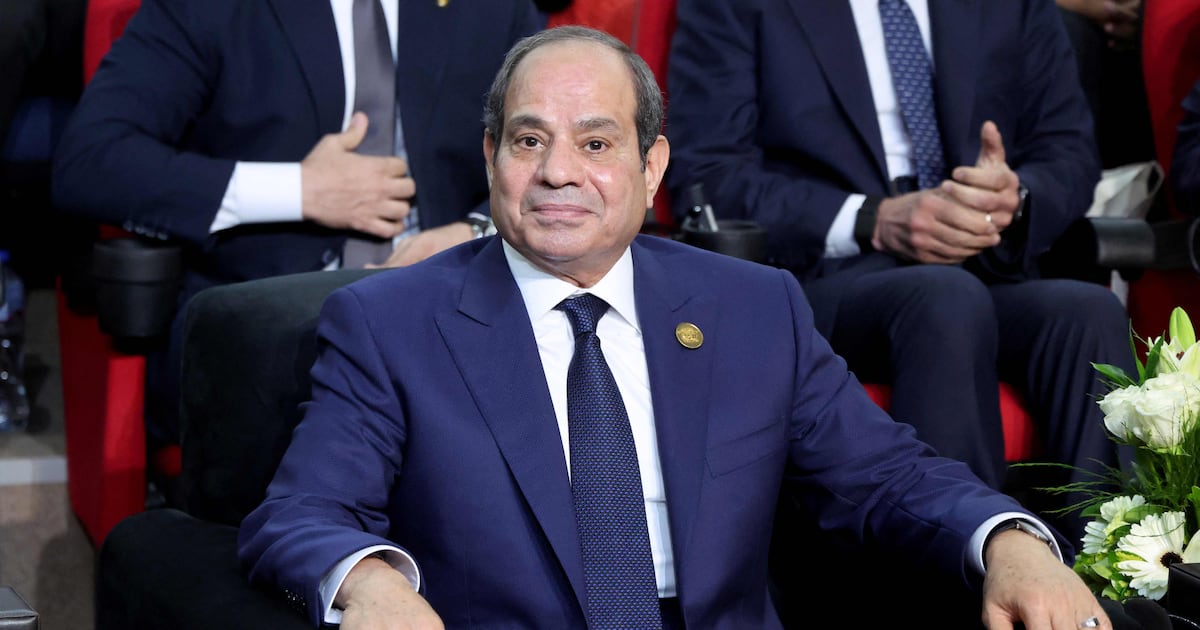
Egypt plays a significant role in the Arab world, often positioning itself as a strong ally and mediator. With its history of navigating complex geopolitical waters, Egypt has recently taken a proactive stance in regional conflicts, particularly concerning Iranian threats. This balancing act challenges Cairo as it seeks to bolster ties with Gulf states while engaging with Tehran.
Egypt’s Strategic Position in the Gulf
Egypt has become a crucial supporter of Gulf nations in their efforts to counteract Iranian threats. According to Egyptian analysts, the nation’s leverage enables it to assist regional allies in dealing with missile and drone attacks from Iran. This dual role—as an ally to Gulf states while also negotiating with Tehran—illustrates Cairo’s unique positioning in the Middle East. However, the Egyptian government’s vocal condemnations of Iranian aggression often lack direct response from Tehran, complicating its diplomatic stance further.
Recently, Egyptian President Abdel Fattah El Sisi made headlines by visiting a fighter jet unit in the UAE, a vital ally and economic supporter of Egypt. These visits, which included stops in several Gulf Arab countries, emphasize Egypt’s commitment to backing its partners amid ongoing tensions with Iran. Retired Egyptian General Samir Ragheb underscores this point, stating that while Egypt maintains a balanced approach, it firmly stands with its Gulf allies—indicating a nuanced but clear direction in its regional strategy.
Balancing Relations: Iran and the Gulf
Despite historical tensions with Iran, Egypt has made strides to thaw relations over the years. However, full diplomatic ties remain elusive due to longstanding disagreements with Gulf partners. Analysts suggest that while cooperation with Iran can serve Egypt’s interests, it must navigate carefully to avoid alienating its Gulf allies, who harbor deep-seated concerns about Iranian influence in the region. Egypt’s strategic aim is to counter Israel’s growing military might while advocating for stability among both Sunni and Shiite factions within the region.
Some sources indicate that Egypt has sought to influence Iranian policies, particularly its backing of militant groups like Hezbollah and the Houthis, advocating for their integration into state structures rather than disarmament. This diplomatic engagement aligns with Egypt’s broader objective of curbing Israel’s regional ambitions. With the Egyptian military doctrine focusing on Israel as a primary adversary, this shared concern has forged a complex alignment between Cairo and Tehran.
The Importance of a Unified Arab Front
While Egypt’s influence in the region is notable, some analysts argue that its approach prioritizes stability for Gulf nations over a reconciliatory dialogue with Iran. Prominent Egyptian analyst Megahed El Zayat emphasizes that the primary focus is on Gulf stability, crucial for both Egyptian and broader Arab national security. He suggests that a comprehensive Arab-Iranian reconciliation is not on the horizon, especially as ongoing conflicts dictate the terms of regional politics.
Egypt’s role as a strategic US ally allows it to maintain versatile relations across various factions, positioning itself as a necessary mediator. The importance of this role becomes particularly evident when examining Cairo’s success in negotiating a ceasefire in Gaza and its discreet involvement in wider regional peace efforts. Moreover, Egypt’s recent engagement with Iran may have encouraged the Houthis in Yemen to refrain from actions that could disrupt essential maritime trade routes, thus safeguarding Egyptian economic interests.
In summary, Egypt’s balancing act in the region underscores its ambition to be both a stabilizer and an influencer. These complicated dynamics impact not only regional security but also Cairo’s economic interests, particularly in light of its strategic geographic location and its historical ties. Navigating such intricate relationships will continue to define Egypt’s influence in the Arab world for years to come.