
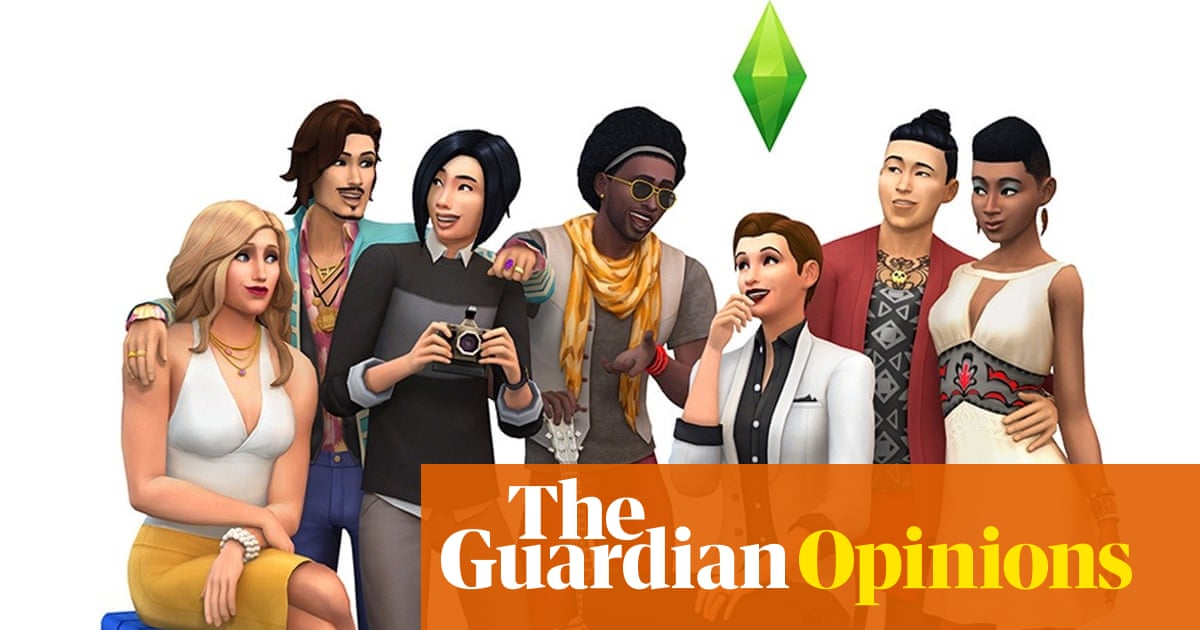
The recent acquisition of Electronic Arts (EA) has stirred significant concerns among gamers, especially those who hold a special place for The Sims series. This situation taps into broader issues such as ethical investments in the gaming industry and the implications of corporate ownership on creative freedom.
## The Shift in Ownership
The deal, finalized late last month, involved a consortium including the Saudi Public Investment Fund and Silver Lake, raising eyebrows due to their controversial backgrounds. Gamers have expressed unease over the potential influence of these investors on beloved franchises. The Saudi Public Investment Fund, led by Crown Prince Mohammed bin Salman, has faced global scrutiny for its human rights record, including alleged involvement in violent conflicts and oppression. This acquisition signals a growing trend of “sportswashing” and raises critical questions about the types of values these entities may impose on popular games like The Sims.
## A Decade-Long Emotional Connection
For many, The Sims is more than just a game; it represents a creative outlet and a community. I’ve been playing since its debut, bonding with friends and family while designing virtual worlds. The series is celebrated for its inclusivity, providing players the freedom to explore diverse narratives and lifestyles. This cherished platform has thrived on player engagement, frequently incorporating community feedback to enhance gameplay experiences. However, with the new ownership, there looms a threat that the heart of the game could be compromised.
## The Economic and Creative Concerns
This acquisition was a leveraged buyout, which means a considerable portion of the purchase was financed through debt, raising fears about potential cost-cutting measures that could negatively impact gameplay quality. Players are concerned that EA may resort to aggressive monetization strategies, including the use of generative AI for content creation or implementing predatory microtransactions. Such practices could dilute what many have loved about the game for years—its creative individuality and community-driven content.
## What Lies Ahead?
The response from reputable content creators and industry insiders reflects widespread anxiety over the direction of the franchise. Notably, popular Sims content creator Kayla Sims (lilsimsie) has publicly voiced her concerns, even collaborating with local lawmakers to challenge the acquisition. She argues that the focus has shifted from creating engaging games to profit-driven tactics that exploit the community. While some in power are pushing back against these changes, the long-term implications are still uncertain.
For those of us who grew up with The Sims, the thought of losing its essence is disheartening. While alternatives like Paralives are emerging, one can’t help but feel a sense of loss for a game that has been a source of joy and creativity for so long. Until a more ethical owner emerges, many gamers may find themselves reevaluating their relationship with this iconic series.