
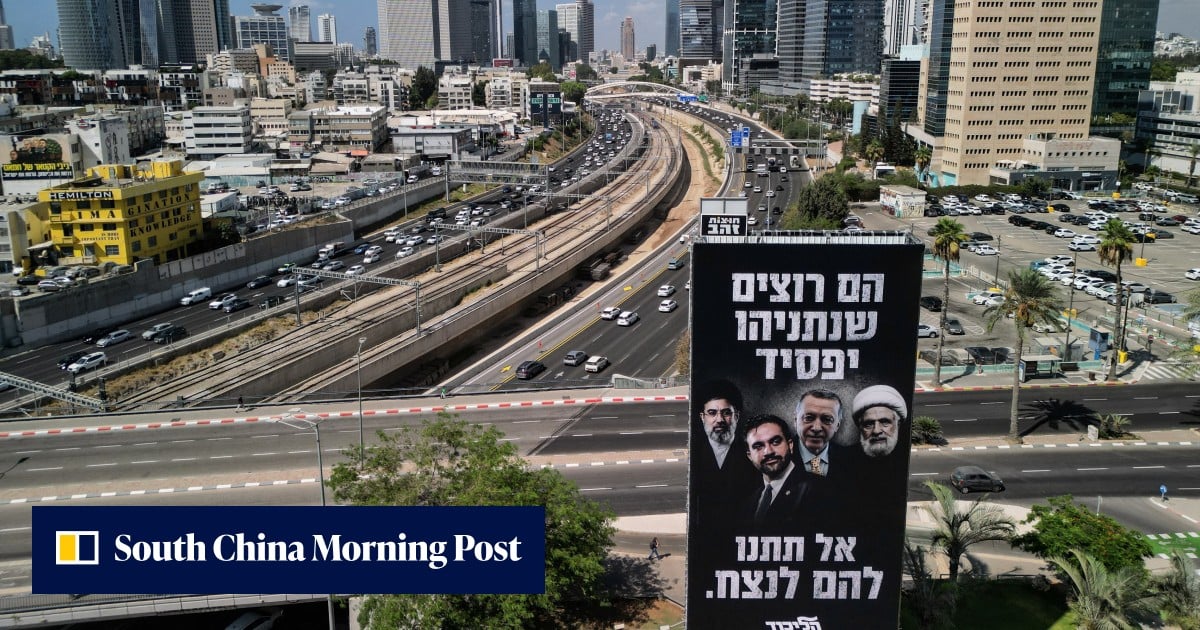
In the midst of his re-election campaign, Prime Minister Benjamin Netanyahu has shifted his focus towards a new adversary—Turkey. With tensions escalating in the Middle East and the October 27 elections approaching, Netanyahu is leveraging his stance against Turkey to appeal to voters.
Military Action Against Turkish Interests
Recently, Israeli warplanes targeted a military base in northern Syria, only a short distance from the Turkish border. This military strike comes as Netanyahu alleges that Turkey is attempting to exert its influence in the region. He stated that Turkey had disregarded Israel’s warnings, expressing that Israel took necessary actions to ensure that its concerns were understood more thoroughly. The decision to conduct airstrikes illustrates the heightened military tensions between Israel and Turkey, both of which have vested interests in Syria.
Election Strategy Highlighting Adversaries
As the election date approaches, Netanyahu’s campaign has adopted a strategy that incorporates imagery of various world leaders, including Turkish President Recep Tayyip Erdogan. Billboards have surfaced featuring Erdogan alongside the phrase, “They want Netanyahu to lose.” This tactic is designed to rally support by portraying Netanyahu as a bulwark against external threats, particularly from nations that are critical of Israel’s policies and military initiatives.
Deteriorating Israel-Turkey Relations
Relations between Israel and Turkey have significantly deteriorated in recent years, particularly following the October 7, 2023, Hamas attacks, which prompted a massive Israeli offensive in Gaza. Erdogan has been vocal in his condemnation of Israel’s operations, marking a sharp turn from earlier years when the two nations enjoyed relatively warmer ties. The tension has been exacerbated by Israel’s aggressive tactics in intercepting Turkish flotillas that aimed to deliver aid to Gaza, further fueling discontent between the two countries.
Strategic Alliances and Global Implications
Unlike other state actors that have come under Netanyahu’s scrutiny, such as Iran, Turkey boasts powerful allies, including membership in NATO. Erdogan’s close relationship with significant global leaders, particularly former U.S. President Donald Trump, complicates the geopolitical landscape for Israel. Trump’s ambassador to Ankara has openly criticized Israeli strikes, raising the stakes for Netanyahu’s administration as it navigates the complexities of international relations while engaging in military actions.
As Netanyahu aims to solidify his position ahead of the elections, his rhetoric and military decisions regarding Turkey signal a calculated approach to foreign policy that intertwines domestic political strategy with regional security concerns. The evolving dynamics between Israel and Turkey will undoubtedly play a crucial role in shaping the future of Middle Eastern geopolitics, making it an issue that transcends mere electoral politics.