
President Donald Trump’s strategy to economically pressure Iran significantly hinges on restricting one of its key financial routes: Dubai. Recent reports indicate that the United Arab Emirates (UAE) has suspended all financial transactions with Iran, a step that may severely limit Tehran’s ability to access essential imports and navigate its way into the global economy.
Impact of UAE’s Decision on Iran
The UAE’s action follows intense pressure from the Trump administration aimed at dismantling Iranian financial networks within its borders. U.S. officials conveyed to their Emirati counterparts that targeting financial flows linked to the Islamic Revolutionary Guard Corps (IRGC) could yield a more substantial impact on Iran than the ongoing naval blockade of its ports. Washington has actively encouraged the UAE to enforce stricter measures against both sanctioned Iranian entities and covert networks operating within the Emirates, particularly amid the current geopolitical tensions.
In a bold statement, Trump emphasized the implications for any nation that continues to provide support to Iran. He warned, “ANY country that allows its financial institutions, businesses, airports, or government entities to provide any type of lifeline to Iran will itself face TREMENDOUS Economic Consequences.” His message underscores the urgency for all nations to cease activities such as oil smuggling and cash transfers that aid Iran’s economy.
Gradual Escalation, Not Total Break
Officials in the UAE perceive their recent measures as stepping stones rather than a complete rupture with Tehran. Those familiar with the discussions indicate that the Emirates plan a phased approach, beginning with cargo restrictions and potentially leading to broader actions against Iranian-affiliated entities if provocations from the Iranian military continue.
As tensions mount, UAE policymakers express concerns that escalating economic pressure on Iran could adversely affect Gulf economies predominantly reliant on sectors like tourism and trade, rather than solely on oil exports. Furthermore, they aim to maintain some level of diplomatic engagement with Iran, preserving channels in case the U.S. strategy fails to deliver the intended results.
Recent Provocations and Trade Dynamics
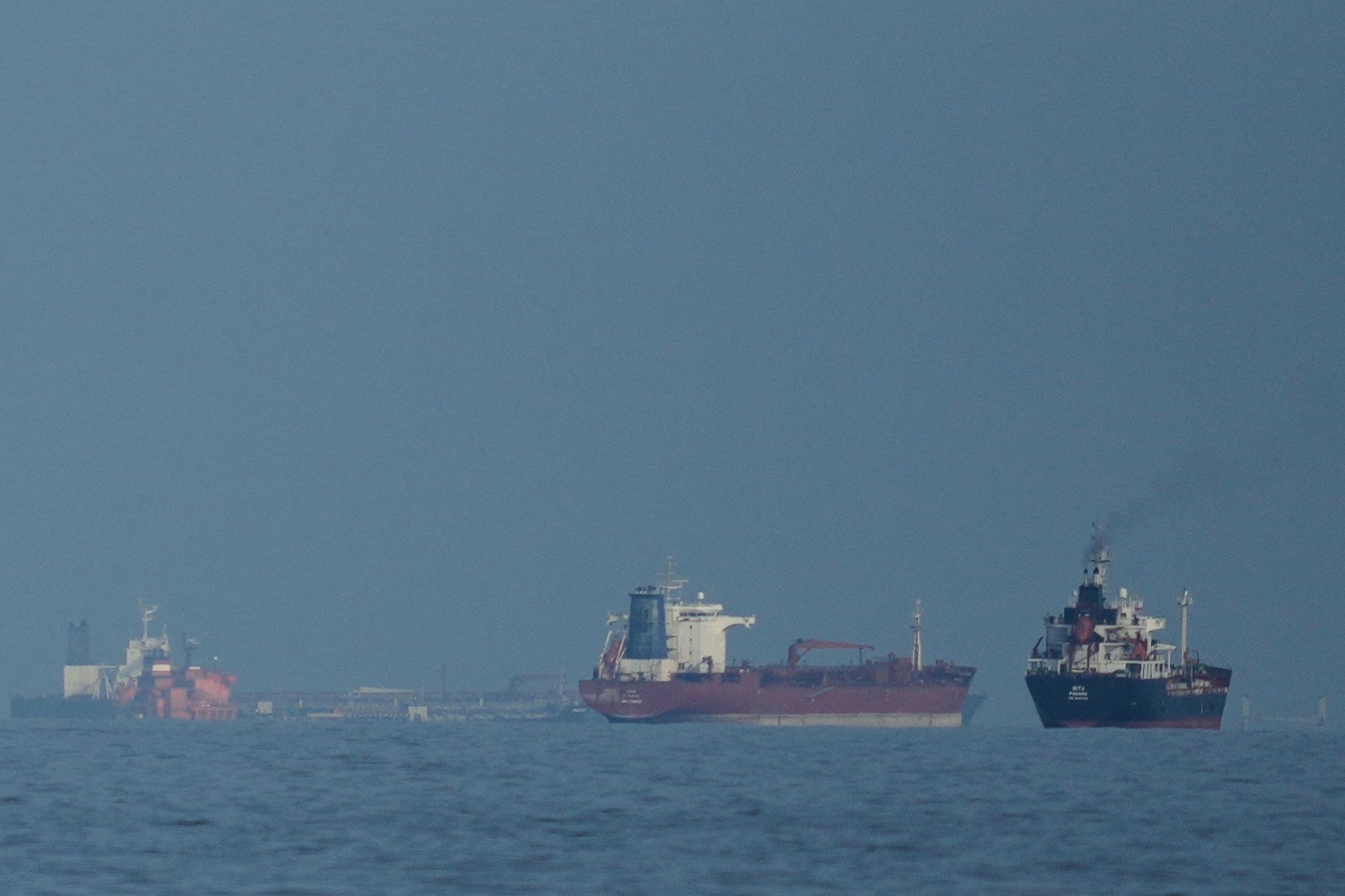
This decision by the UAE comes amid a backdrop of heightened tensions between Iran and the Gulf states. Emirati officials reported Iranian assaults on seven vessels in the Arabian Gulf earlier this month. Following these incidents, Iran launched two ballistic missiles towards the UAE, igniting the country’s air defenses and underscoring the urgent need for vigilance.
Before these tensions escalated, the UAE was Iran’s leading source of imports, accounting for over 30% of Iran’s total imports—valued at approximately $21 billion as of 2024, according to the World Trade Organization. Notably, in 2024, about $9 billion funneled through U.S. bank accounts appeared to be linked to covert Iranian financial activities, with UAE-based firms—primarily in Dubai—receiving roughly 62% of those funds, as reported by the U.S. Treasury Department. This previously harmonious trade relationship now faces significant strain as geopolitical dynamics shift.
In summary, the UAE’s suspension of financial transactions with Iran marks a notable escalation in economic pressure, motivated by U.S. demands. While Emirati officials navigate complex considerations, such as potential retaliation from Iran and the implications for their economy, Washington’s strategy could reshape regional financial ties and impact Iran’s global standing.