
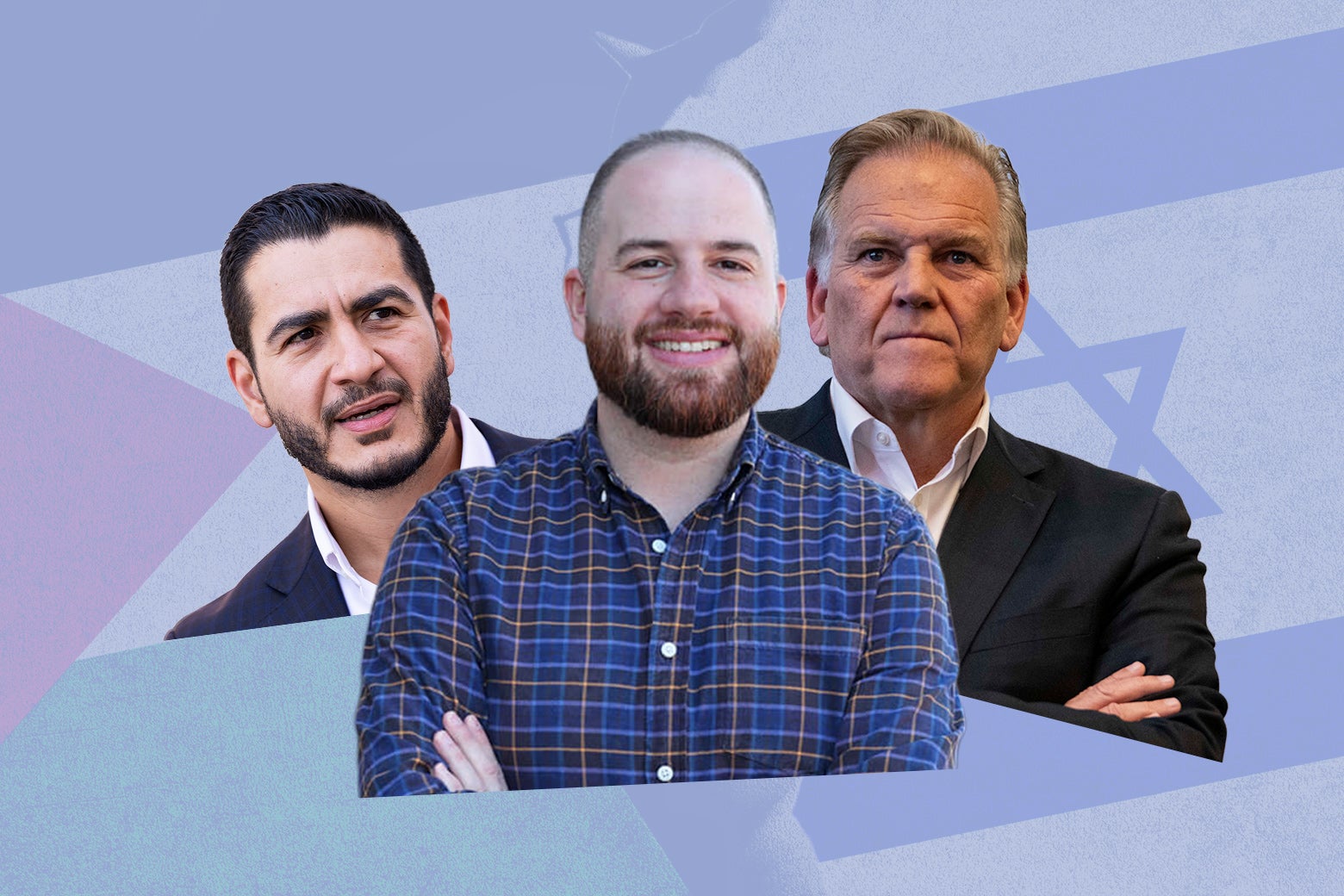
In the bustling political landscape of Michigan, Jeremy Moss and Abdul El-Sayed stand out as young, progressive candidates vying for federal office. As they prepare for the upcoming election in November, Moss is cautious about endorsing El-Sayed, his party’s nominee for Senate. Their individual positions reveal the complexity of alliances within the Democratic Party, especially regarding sensitive issues that intersect with their constituents’ diverse backgrounds.
The Political Aspirations of Jeremy Moss
Jeremy Moss, who is running for Congress, is the Democratic nominee in a safe seat in suburban Detroit. Eager to enter Washington with a Democratic majority, he is vocal about needing to check the influence of Donald Trump. “We must halt Trump’s cruelty and chaos,” says the 40-year-old Moss, emphasizing the importance of preventing Trump from appointing extreme judges. Moss aims to address significant challenges, advocating for a bold Democratic agenda that resonates with his constituents.
Despite his camaraderie with El-Sayed over key issues like abolishing ICE and challenging the influence of billionaires, Moss remains hesitant when it comes to backing El-Sayed in the Senate race. This reluctance arises even though El-Sayed is contending against Republican Mike Rogers, deemed a dangerous opponent due to his strategies that often align with Trump’s agenda.
Generational Shift and Democratic Unity
Moss, a trailblazer in Michigan politics as its first openly gay state senator, shares many progressive ideologies with El-Sayed. Their aligned visions for the Democratic Party focus on the belief that it must adopt a more assertive and progressive stance. Moss’s trademark line on the campaign trail encapsulates this sentiment: “We can no longer be a party that shows up to the knife fight carrying a pie chart.”
However, significant divisions remain, particularly concerning Israel. Moss, representing a district with a substantial Jewish population, advocates for a two-state solution while criticizing former Israeli Prime Minister Benjamin Netanyahu. El-Sayed, conversely, has been outspoken against Israel, which complicates their relationship and raises concerns among Jewish voters in Michigan.
The Challenges Ahead
The contrasting positions on Israel have created a palpable tension between Moss and El-Sayed, especially as El-Sayed faces scrutiny for his remarks that some interpret as antisemitic. Many Jewish voters in Michigan view this hostility with caution, especially against the backdrop of recent violent events that have heightened community sensitivities. In light of these complexities, both candidates acknowledge the need to work together to mobilize their overlapping voter bases against a common adversary.
As Michigan transitions from primary campaigns to the general election, the divide between centrist and progressive factions is coming to the forefront. While some ideological disagreements can be bridged, the discontent regarding Israel raises questions about how these two candidates can unite their bases. Historical patterns indicate a traditional Democratic support from Jewish voters; however, the party’s evolving stance on Israel has prompted worries about maintaining this crucial demographic.
Building Bridges Between Communities
Moss emphasizes that collaboration between differing groups is vital for political success. He believes that for the Jewish and Arab American communities to coexist peacefully in Michigan, sustained outreach and dialogue are necessary. “For us to figure out the path forward,” he states, “we need to ensure that these two communities can continue as neighbors.”
Their challenges reflect broader societal divisions within the Democratic Party, with Moss and El-Sayed aware that healing these rifts is essential. While dialogue continues, the real work lies ahead in fostering understanding and support among diverse communities, ensuring unity over shared goals while navigating deeply entrenched conflicts. As both candidates seek to solidify their positions in the forthcoming election, their collaborative efforts could set the stage for a new chapter in Michigan’s political landscape.