
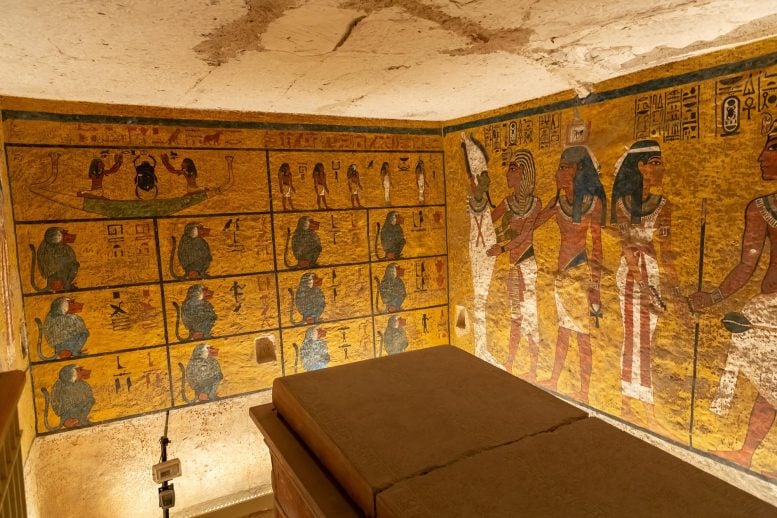
A recent discovery of a Ramesside tomb near Luxor is shedding light on ancient Egyptian burial customs, while also highlighting the urgent threat posed by flash flooding. This remarkable find emphasizes the need for immediate conservation efforts to protect these invaluable cultural treasures.
Uncovering the Past in the Theban Necropolis
As I stood at the entrance of a newly revealed ancient tomb, excitement and trepidation swirled within me. Leading an international research team in the Theban necropolis, classified as a UNESCO World Heritage site, we aim to establish a conservation and risk management program for the Lower Sheikh ʿAbd el-Qurna area. This burial ground, located at the base of the Theban mountain, is particularly vulnerable to flash flooding resulting from heavy rainfall. Our project includes clearing debris and excavating systematically to redirect potential floodwaters while preserving critical archaeological information.
During our recent efforts, we stumbled upon a previously unknown tomb estimated to be around 3,000 years old. Entering this tomb, the conditions inside were uncertain; we were unsure if its integrity remained intact or if it had suffered from looting and damage. However, what we discovered was a well-preserved site filled with vibrant depictions that tell the story of life in Ancient Egypt.
Insights from the Tomb’s Decoration
The newly discovered tomb exemplifies the architectural style typical of Theban elite tombs during the New Kingdom period, a time when Thebes (modern Luxor) stood as Egypt’s religious and political heart. The tomb features an outer courtyard, a rock-cut chapel, and subterranean burial chambers. Inside the chapel, the walls are adorned with striking paintings depicting the tomb’s owner, portrayed as a male official named Paser, worshipping various deities alongside his wife before an offering table. These captivating murals offer invaluable insights into both the daily life and social structure of ancient Egyptian society.
Moreover, this artistic decoration indicates the tomb’s affiliation with the Ramesside period, a time marked by the reign of several pharaohs named Ramesses. Our analysis will further clarify how officials like Paser chose tomb placements, shedding light on the factors influencing decisions to modify or reuse existing burial sites rather than constructing new ones in this historically rich landscape.
Climate Change and Conservation Challenges
However, our work is a race against time. Climate change is projected to significantly escalate the frequency and severity of flash flooding in the coming years, posing a severe risk to these ancient monuments. Water damage can lead to detrimental effects, including structural compromise and the deterioration of artistic decorations. Thus, a crucial aspect of our project involves implementing preventative conservation and risk management strategies to safeguard these extraordinary sites for future generations.
Simultaneously, we are excavating this area for the first time, revealing previously neglected aspects of the Lower Sheikh ʿAbd el-Qurna necropolis. While it has seen little scholarly attention compared to the nearby Valley of the Kings and Luxor’s grand temple complexes, our findings indicate that it is rich in significant archaeological materials. The exquisitely decorated tombs we have unearthed provide a unique glimpse into the funerary practices, artistic achievements, and daily lives of ancient Egyptians, from commoners to elite individuals.
In conclusion, the discovery of this Ramesside tomb not only contributes to our understanding of ancient Egyptian culture but also emphasizes the pressing need for conservation efforts in the face of climate change. As our team continues to investigate, we remain committed to preserving these invaluable historical sites for posterity, illuminating the past while grappling with the challenges of the present.