
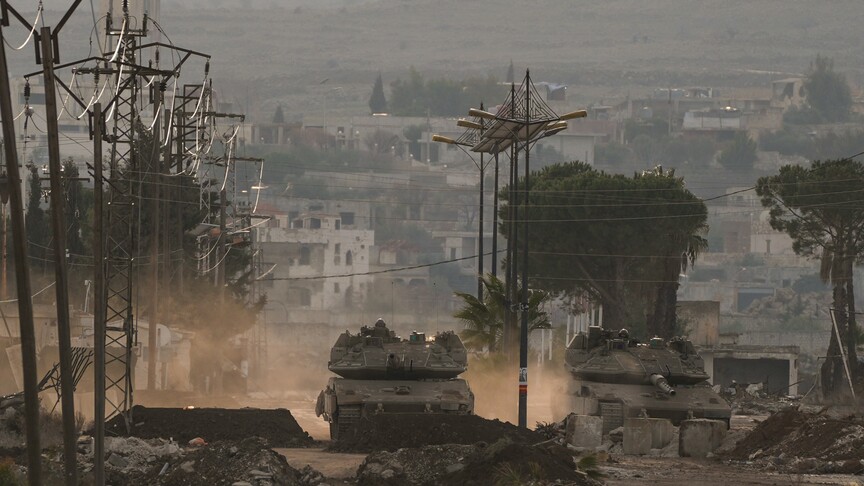
On August 21, 2026, reports emerged of Israeli artillery fire targeting agricultural lands in Syria’s southern Quneitra province. This incident highlights ongoing regional tensions and underscores the volatile situation in southern Syria. According to Alikhbaria TV, the artillery shell landed south of Jabata al-Khashab, igniting a significant fire within the farmland.
Details of the Incident
Israeli forces reportedly launched the artillery shell while also illuminating the area with flares. The shelling is a continuation of a pattern of aggression, as just a day earlier, Israeli troops conducted a raid in Jabata al-Khashab detaining two individuals. This escalation in military activity raises concerns about the safety of the local population and the implications for agricultural productivity in the affected regions.
Further compounding the situation, Israeli warplanes executed multiple airstrikes on the Abu al-Duhur Military Airbase in northwestern Idlib province on Tuesday. These strikes, numbering at least eight, caused considerable damage to essential infrastructure, indicating a broader campaign aimed at destabilizing Syrian military capabilities. Additionally, shelling occurred in the Wadi Abdeen area of Daraa in southern Syria, further increasing tensions in this already sensitive area.
Syria’s Response
In light of these recent attacks, Syria has officially protested these incursions, communicating concerns to the United Nations and the Security Council. The Syrian government emphasizes that continued Israeli strikes and militant activities disrupt stabilization efforts and could exacerbate existing tensions throughout the region. The ongoing violence poses risks not only to civilian lives but also to the fragile security landscape within Syria and its neighboring countries.
Historical Context and Growing Tensions
The situation in southern Syria has been marked by recurrent Israeli incursions, raids, and military checkpoints over the past months. Tensions have significantly escalated following the collapse of Bashar Assad’s regime in December 2024, which led Israel to claim control over the Syrian buffer zone, effectively nullifying the 1974 disengagement agreement. This change in dynamics has prompted a surge in military actions from Israel, increasingly drawing the ire of both the Syrian government and its allies.
Overall, the recent artillery attacks and airstrikes signal an ongoing conflict characterized by targeted military actions and geopolitical maneuvering. These developments reveal the complex interplay between local resistance and international interests, emphasizing the need for diplomatic solutions to avert further loss of life and destabilization in the region. As tensions mount, the international community must closely monitor the situation and seek pathways for de-escalation to foster a more stable future for Syria and its neighbors.