
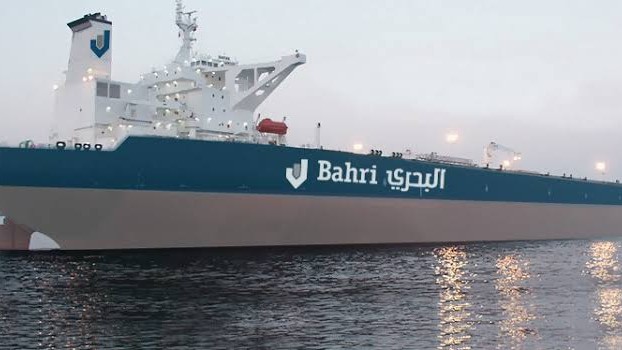
Saudi Arabia’s crude oil exports have seen a significant increase, particularly from Egypt’s Sidi Kerir port. This rise of approximately 33% follows recent threats to Saudi oil shipments in the southern Red Sea and the Bab el-Mandeb Strait made by the Iran-aligned Houthi faction in Yemen. According to recent tanker-tracking data, this strategic shift underscores how geopolitical tensions can impact global oil markets.
Saudi Aramco’s Strategic Shift
In response to the ongoing risks in the Red Sea region, Saudi Arabia’s state oil company, Aramco, has adapted its shipping practices. The organization, known as the world’s leading crude oil exporter, has initiated a shuttle service that transports oil from its Yanbu port northwards to Egypt. This maneuver aims to enhance the security of oil shipments amid escalating threats from Houthi forces. Notable shipping providers from Western countries, including South Korea’s Sinokor and Norway’s DHT Management, have collaborated with Aramco in this adaptation.
New Export Routes and Increased Shipments
The newly established shuttle route facilitates the transfer of oil from Yanbu to Ain Sukhna on the Red Sea. From there, the crude is sent through the SUMED pipeline to the port of Sidi Kerir, ultimately leading to Mediterranean waters. This reorganization has enabled Aramco to escalate its northern Red Sea shipments to approximately 1.1 million barrels per day, reflecting a significant increase in operational capacity. Bloomberg’s analysis indicates that at least four oil tankers have ferried between Yanbu and Ain Sukhna multiple times, collectively transporting over 16 million barrels of oil recently.
Impact on Shipping Timelines and Asian Buyers
Although this new route offers a safer passage, it does come with trade-offs. The journey from Sidi Kerir to Asian markets entails navigating around Africa’s Cape of Good Hope, which adds nearly an entire month to the shipping timeframe. This extension could influence the delivery schedules of crude oil suppliers to Asian refiners. Reports indicate that some Asian processors have reached out to Aramco, requesting that their crude cargoes be picked up directly at Sidi Kerir due to the heightened dangers in the southern Red Sea.
Conclusion: Navigating Challenges in Modern Oil Trade
The dynamics of global oil trade are often shaped by geopolitical factors, and Saudi Arabia’s recent adjustments reflect this reality. As the nation’s oil giant pivots to secure its shipments and meet global demands, the ripple effects on supply chains and shipping times are palpable. The ongoing situation serves as a crucial reminder of how isolated tensions can lead to broader changes within the energy sector, impacting consumption patterns and pricing on a worldwide scale. As geopolitical risks evolve, the flexibility and strategic planning of oil exporters like Aramco are more critical than ever.