
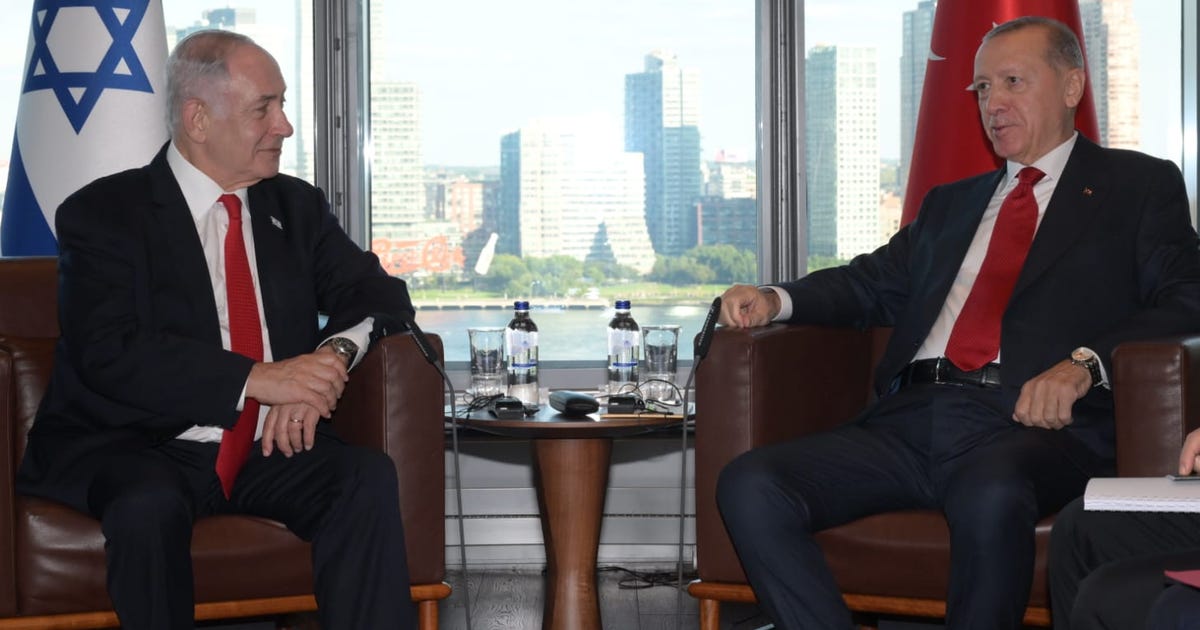
Turkey has recently announced its intention to pursue an Interpol red notice for Israeli Prime Minister Benjamin Netanyahu as part of an ongoing domestic criminal investigation. This legal action relates to a confrontation involving activists who were attempting to deliver humanitarian aid to Gaza.
Understanding Red Notices and Legal Implications
An Interpol red notice is a formal request issued to law enforcement agencies across the globe to locate and provisionally detain an individual, pending further legal proceedings such as extradition. Interpol evaluates these requests from its member countries before issuing a notice. Turkey’s Justice Minister Akin Gurlek emphasized the seriousness of the charges against Netanyahu, which include allegations of genocide, crimes against humanity, and torture. This case also targets another suspect alongside Netanyahu and forms part of a broader investigation involving 35 individuals related to an incident in international waters.
The Global Sumud Flotilla Incident
In May, Israeli military forces fired upon two vessels from the Global Sumud Flotilla, which were en route to Gaza to provide humanitarian aid. This event came after prior attempts were intercepted. Reports suggest that over 70 Turkish citizens were onboard the escorted vessels, complicating the diplomatic relations between Turkey and Israel, especially against the backdrop of ongoing conflicts in the region.
Statement from the Turkish Government
Investigation proponents assert that Turkey will employ all available legal avenues to hold Israel accountable for its perceived actions in Gaza. This move is designed to galvanize other nations to consider arresting Netanyahu should he travel abroad. However, the issuance of a red notice does not automatically compel any country to detain him.
Israel’s Response to Turkey’s Claims
Netanyahu’s office issued a firm critique of Turkey and its President Recep Tayyip Erdoğan in light of this announcement. The statement labeled Erdoğan an “antisemitic dictator” responsible for numerous human rights violations, including the oppression of Kurdish people and the detention of journalists who criticize his administration. The Israeli government asserted that Turkey’s actions demonstrate an aggressive posture toward Israel, particularly mentioning Erdoğan’s attempts to extend his influence into Syria.
This complex interaction highlights ongoing tensions between Israel and Turkey, and the implications are heightened by military actions and geopolitical maneuvers in the region. The incident has sparked a wider debate on accountability and international law, particularly concerning humanitarian efforts in conflict zones like Gaza.
As tensions escalate, these events illuminate the fragile nature of diplomatic relations in the Middle East, leaving many observers questioning the potential for future cooperation or reconciliation between the two nations. Balancing humanitarian needs with international legality remains a significant concern amidst ongoing hostilities.