
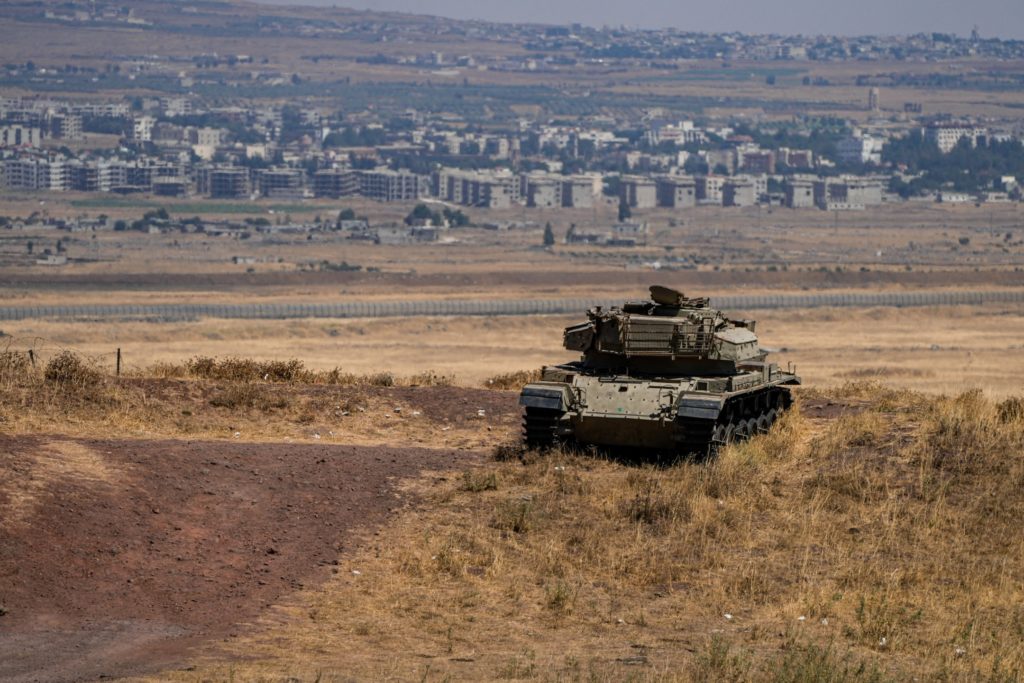
Tensions are escalating in the Middle East as the focus shifts from the prolonged stalemate in the U.S.-Iran conflict to growing strife between two key U.S. allies—Turkey and Israel. This complex situation is unfolding in Syria, a region previously afflicted by civil war, where military actions and strategic posturing are igniting concerns about regional stability.
Recent Military Escalations
On Monday night, Israeli warplanes targeted the Abu al-Duhur Air Base, situated approximately 45 miles from the Turkish border and 180 miles north of Israel. Initially, Israel did not claim responsibility for the attack, which left craters on the base’s runways. However, following a statement from U.S. Ambassador to Turkey Tom Barrack, who criticized the airstrikes as an “unnecessary escalation,” Israel eventually acknowledged its actions. Prime Minister Benjamin Netanyahu justified the strikes, asserting that they were necessary to prevent Turkey from establishing a military presence in the area.
In his comments, Netanyahu mentioned, “We saw that Turkey intends to establish a presence at the airport south of its current lines.” This statement underscores the heightened tensions between Israel and Turkey, with both nations engaging in provocative rhetoric.
Political Dynamics and Miscommunications
The relationship between the two allies appears strained, particularly after Netanyahu referred to Turkish President Recep Tayyip Erdogan as an “antisemitic dictator.” Erdogan’s office dismissed this remark as a “cheap political ploy,” reflecting the deepening divide between the two leaders. Ambassador Barrack emphasized the importance of de-escalating tensions and promoting dialogue, advocating for all regional partners to take responsibility for their actions.
According to Barrack, this moment is significant for the Trump administration, which has sought to redefine U.S. involvement in the Middle East. He noted, “The long and short of this is that the mistake made was not miscommunication. Israel believed it had a tacit agreement with Turkey and Syria.” The Ambassador pointed to ongoing dialogues among Israeli and Syrian officials, suggesting that the sudden airstrikes disregarded established channels of communication.
The Role of Intelligence and Regional Stability
Israeli officials argue that their actions stem from legitimate security concerns, particularly in the wake of events post-October 7. They expressed a reluctance to allow Turkish or Syrian troops near their borders, insisting that their actions were aimed at maintaining a delicate balance of power. However, Barrack contended that Turkey was unaware of the impending Israeli airstrikes, raising questions about the effectiveness of back-channel communications.
Despite the friction, both Barrack and intelligence sources indicate that Turkey does not seek an adversarial posture toward Israel. Rather, Turkey desires a sovereign and independent Syria, aligning with U.S. interests. Barrack maintained that maintaining dialogue is crucial in navigating this intricate political landscape, emphasizing that miscommunication should be avoided to prevent further escalations.
As tensions continue to rise in this sensitive geopolitical environment, it is evident that both Israel and Turkey must tread carefully. Although they must address their respective national security concerns, dialogue and collaboration remain critical to achieving long-term stability. Barrack expressed a hope for gradual trust-building steps, viewing the current crisis as a setback that could potentially be resolved through continued engagement.