
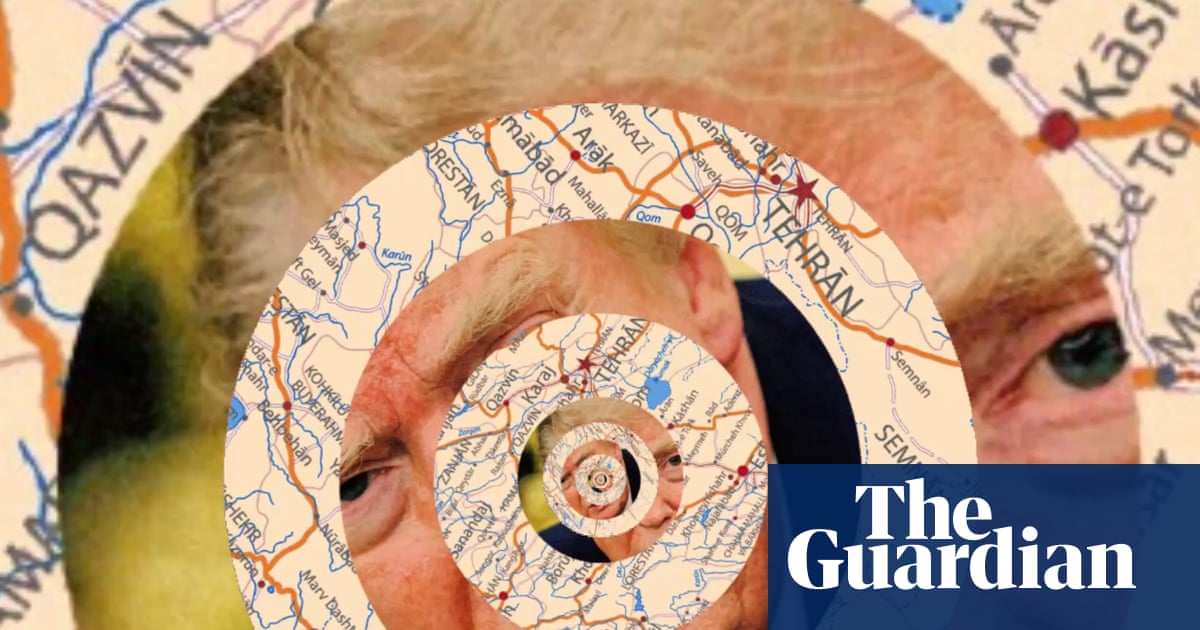
In the wake of a landslide election defeat, former U.S. President Jimmy Carter was left grappling with deep regrets, particularly surrounding his handling of the Iran hostage crisis. With a military struggle against Tehran looming once more, parallels to Carter’s presidency are drawing keen comparisons to the challenges currently faced by Donald Trump.
The Iran Hostage Crisis: A Turning Point for Carter
Carter’s presidency faced a grave turning point in November 1979, when revolutionaries seized the U.S. embassy in Tehran, taking 52 diplomats and military personnel hostage. Months later, a failed rescue mission resulted in the deaths of eight servicemen, compounding the humiliation and despair of his administration. Reflecting on this significant event years later, Carter expressed his regret for not deploying more helicopters during the rescue attempt. This sentiment encapsulates the pressure he felt as the Iranian crisis developed, ultimately culminating in his electoral defeat against Ronald Reagan in 1980.
Fast-forward to the present, Donald Trump finds himself within a similarly precarious situation. As he gears up for a midterm election campaign, the ongoing military engagement in Iran is further complicating his political standing. Trump’s attempts to finalize a conflict that began in February 2025 have fallen short, particularly after a ceasefire agreement collapsed. Consequently, Iran has tightened its grip on the Strait of Hormuz, a crucial waterway responsible for the transit of a significant portion of the world’s oil supply.
Economic Ramifications and Public Sentiment
The Iranian standoff is not just a military issue; it has substantial economic implications. Rising oil prices and inflation are straining American households, creating unrest as Trump’s Republican Party seeks to maintain congressional control in the coming elections. Polls reveal a growing discontent among voters, with many indicating that their financial situation has worsened since Trump took office in January 2025. This scenario echoes Reagan’s famous question to voters during his debate with Carter: “Are you better off than you were four years ago?”
While the contexts differ, both Trump and Carter’s presidencies exhibit parallels in their inability to pivot effectively in crises. Trump’s initial war rationale lacked clarity, which could impede his options moving forward. As the midterms approach, Trump’s failed military strategies have become increasingly apparent, placing him in a vulnerable position as the political landscape shifts.
Iran’s Tactical Advantage
Analysts suggest that Iran is well aware of the electoral stakes for Trump and is keen to exploit any vulnerabilities that arise from his leadership during this tumultuous period. With Iran determined to make Trump’s path more difficult, they may escalate conflicts or retaliate against American interests, undermining Trump’s credibility in the eyes of voters. As military options diminish, Trump has resorted to mixed tactics of threats and vague promises, which analysts predict may backfire.
Moreover, Iran’s leadership shakeup signals a new, more aggressive stance, suggesting they are willing to heighten tensions, especially as the midterm elections draw near. This approach allows them to maintain a significant influence over Trump’s fate, potentially pushing him towards concessions he may not want to make. With rising costs and falling public support tied to the war, Trump faces mounting pressure from all sides.
The Road Ahead: Implications for Trump
As Trump prepares for the upcoming election, the specter of a challenging reelection campaign looms large. His administration’s inclination to assess military responses and navigate economic fallout might render him less effective, particularly if the situation continues to deteriorate. Historical parallels between Carter’s and Trump’s presidencies underscore the precarious balance of military, economic, and political forces at play.
In conclusion, both Trump and Carter encountered nearly insurmountable challenges during their presidencies, driven largely by external conflicts that spiraled out of control. With tensions in Iran far from settled, it remains to be seen how Trump will adjust his strategy and whether he can avoid repeating the mistakes of the past that ultimately led to Carter’s downfall. As both leaders reflect on the weight of their respective eras, the outcome of these crises will significantly shape the political landscape for years to come.