
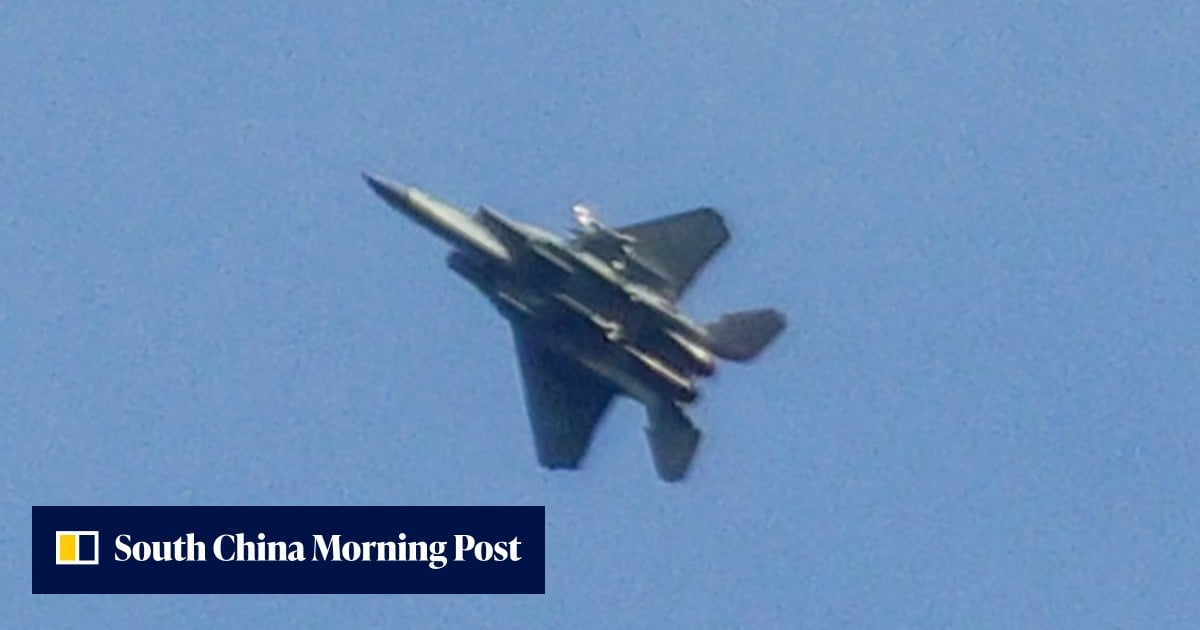
Fears of a military clash between Israel and Turkey are intensifying following recent actions taken by Israeli Prime Minister Benjamin Netanyahu. This tension escalated when Netanyahu ordered air strikes on a military facility near the Turkish border in Syria, signaling a firm stance against any Turkish expansion in the region.
Israel’s Air Strikes on Abu Al-Duhur Airbase
On Tuesday, Israel conducted eight air strikes on the Abu Al-Duhur airbase located in northwest Idlib province. Netanyahu characterized these strikes as a necessary warning to Turkey, which he accused of bolstering its military presence in Syria and assisting in the reconstruction of the Syrian armed forces. The Israeli government contended that the deployment of Turkish troops at this airbase could ultimately destabilize the existing security arrangements between Israel and Syria.
Netanyahu’s office claimed there was an understanding in place about maintaining a status quo concerning security issues, which they believe Syrian officials were on the verge of violating by allowing Turkish forces near Aleppo. This perception of escalating threats led to a decisive military response from Israel.
The Implications of Military Actions
In their statement, Israeli officials underscored the potential threats posed by the Turkish military presence in Syria, arguing that they had consistently warned Syria about such deployments. “Israel repeatedly informed Syria that this would jeopardize our security, but these warnings went unheeded,” the statement noted. Netanyahu considered these recent strikes a necessary step to ensure national security and maintain regional stability.
With the situation rapidly evolving, Netanyahu made it clear that he viewed the military entrenchment of Turkey in Syria as a direct threat. “We sent a clear message: don’t proceed,” he remarked in an interview with Israeli Army Radio. If this message wasn’t effectively communicated, Netanyahu rationalized that he would take all measures necessary to ensure it was understood.
Reactions and Concerns from the International Community
The actions taken by Israel have not gone unnoticed on the international stage. The day after the air strikes, the U.S. expressed “deep concern” over what it termed an “unnecessary escalation” in the region. This reaction highlights the complex interplay of interests that often characterizes Middle Eastern politics, where a single military action can have far-reaching consequences, not just for the countries involved but for global stability.
As tensions rise between Israel and Turkey, analysts are closely monitoring the situation. The prospect of a military confrontation not only raises the risk of direct conflict but also has implications for U.S. foreign policy and its relationships with both nations. The ongoing developments underscore the fragile balance of power in the region and the potential for miscalculation that could lead to more significant hostilities.
In summary, the military actions taken by Netanyahu are emblematic of the sensitive geopolitical climate in which Israel operates. As fears of confrontation grow, the world watches closely, acknowledging the potential ramifications of this escalating situation.