
The geopolitical landscape in the Middle East continues to shift as Iran’s recent developments have raised tensions. The new leader of Iran’s security council has issued stern warnings to neighboring nations against aligning with U.S. efforts to further isolate Tehran. Meanwhile, regional discussions are unfolding about reviving negotiations and managing oil transit through vital waterways like the Strait of Hormuz.
Iran’s Security Chief Issues Stark Warnings
Mohsen Rezaei, the recently appointed head of Iran’s Supreme National Security Council, has laid down a formidable challenge to neighboring countries contemplating collaboration with the U.S. in its economic pressure campaign on Tehran. In a recent interview, he claimed that if the U.S. attempts to escalate its economic warfare, Iran would retaliate significantly.
Rezaei emphasized that any neighbor that joins the U.S. in what he termed an economic war would be viewed as an adversary, leading to potential attacks on their interests. His comments suggest a commitment to disrupting oil shipping routes in the Persian Gulf, raising alarms about the future of a critical global trade route. As U.S. President Donald Trump has promised unprecedented sanctions, Iran remains in a state of economic suffocation, deepening tensions in the region.
Efforts to Renew U.S.-Iran Dialogue
In a bid to restore some form of dialogue, Egypt has stepped in to facilitate discussions between Iranian and American officials. Egyptian Foreign Minister Badr Abdelatty and his Iranian counterpart, Abbas Araghchi, recently held talks aimed at navigating the complex negotiations. While details remain scarce, this initiative signifies an attempt to bridge the widening gap between Tehran and Washington.
Araghchi’s discussions also touched upon Iranian-Omani dialogues, highlighting the importance of regional partnerships in times of conflict. As nations grapple with the intricacies of this geopolitical chess game, it remains to be seen what tangible outcomes will emerge from these diplomatic efforts.
Oil Shipments and Regional Cooperation
Iran and Iraq have announced that Tehran is assisting in facilitating the transit of some Iraqi oil through the Strait of Hormuz, underscoring the strategic significance of this waterway for global energy supplies. Iraqi President Nizar Amidi confirmed that, although Iraq lacks its own national carrier for oil transport, cooperation with Iran is taking place to ensure that oil shipments continue smoothly.
This partnership raises questions about the exchange’s terms and whether Iran is demanding concessions in return for facilitating these shipments. With oil being a crucial economic lifeline for both nations, managing these logistical challenges becomes increasingly vital amid sanctions and international scrutiny.
Ongoing Conflict in Syria and Gaza
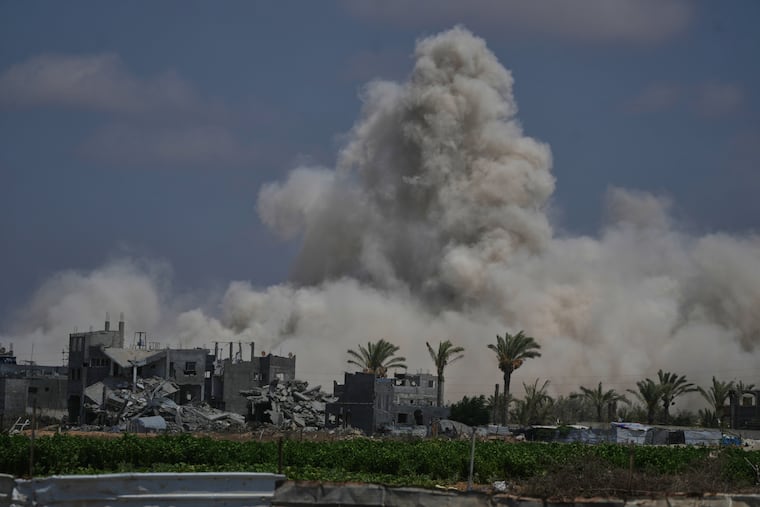
Amidst these geopolitical tensions, Israeli military actions continue unabated, with strikes in Syria and Gaza resulting in civilian casualties. An Israeli drone recently targeted a vehicle in Syria, injuring several civilians, while an airstrike in Gaza killed one Palestinian. Israel maintains its stance of targeting perceived threats, citing efforts to neutralize entities involved in terrorist activities.
Such military engagements complicate the already volatile environment in the region, underscoring the precarious balance of power and influence among nations. With global powers keeping a close eye on these developments, the potential for escalated conflict remains a pressing concern for all parties involved.
As leaders from various nations navigate diplomatic and military challenges, the landscape in the Middle East remains fluid, with significant implications for global politics and economics.