
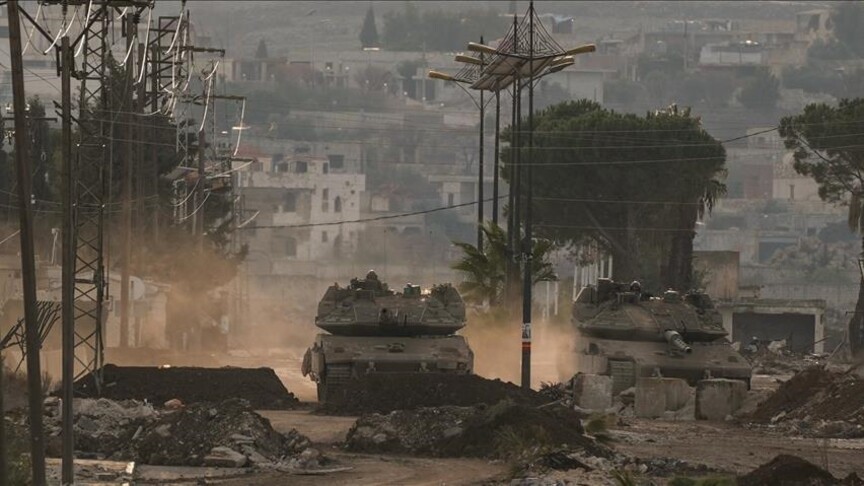
On August 24, 2026, tensions escalated in southern Syria as Israeli military forces conducted operations in the Daraa countryside, just a day after diplomatic discussions aimed at easing regional conflicts.
Israeli Military Actions in Daraa
Israeli forces reportedly entered the village of Maariya in the western Daraa countryside with multiple military vehicles, as confirmed by Syrian Alikhbariah TV. This incursion highlights the ongoing volatility in southern Syria, where incidents of Israeli military presence have become almost daily occurrences. Reports indicate that recent actions include raids, searches, and arrests, particularly in Quneitra and Daraa provinces, where military checkpoints are commonly established.
In a related event, Israeli forces targeted the town of Al-Rafid in Quneitra province on Sunday, resulting in the arrest of a local shepherd. This pattern of incursions raises concerns about the humanitarian impact on the civilian population, as these operations often lead to heightened anxiety and instability in the region.
Diplomatic Efforts and Escalating Tensions
The recent military actions follow a meeting held on August 20, where a Syrian delegation led by Foreign Minister Asaad al-Shaibani met with Israeli representatives in Jordan, mediated by the United States. According to a diplomatic source from Syria’s state news agency SANA, this meeting was part of broader efforts to de-escalate the rising tensions and address the fallout from recent Israeli attacks on Syrian territory, including a series of airstrikes that impacted the Abu al-Duhur Military Airbase in northwestern Syria.
The airstrikes on August 18, during which Israeli aircraft conducted eight bombardments on the airport’s runway, further deteriorated the situation. Such military operations not only disrupt military capabilities but also play a significant role in escalating hostilities in the region.
The Historical Context of the Conflict
The complex dynamics of Syria-Israel relations trace back to the Six-Day War in 1967, when Israel occupied the majority of the Golan Heights. Following the fall of Bashar Assad’s regime in late 2024, Israel declared the 1974 disengagement agreement null and void. This led to expanded military presence in the formerly designated “buffer zone” and other strategic areas, including the Syrian side of Mount Hermon.
Efforts for peace in the region have been ongoing for years, yet incidents like the recent raids underscore the challenges faced by both nations. The hopes for a security agreement, as expressed by Syrian President Ahmad al-Sharaa on July 26, highlight a desire for stability, though the path to such an arrangement remains fraught with obstacles.
Conclusion
The situation in southern Syria remains precarious as Israeli military actions continue despite diplomatic efforts aimed at reducing tensions. The overlap of military raids and constructive dialogue underscores the complexities and challenges involved in achieving long-lasting peace. The international community watches closely, hoping for a resolution that respects the rights and security of civilians in the region while addressing the historical grievances that fuel the ongoing conflict.