
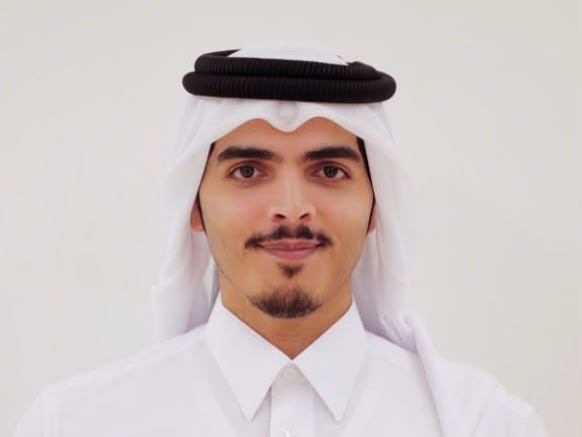
Qatar Museums has officially introduced the newly appointed Board of ICOM Qatar, the country’s branch of the International Council of Museums, for the terms lasting from 2026 to 2028. This announcement marks a significant step in promoting cultural engagement and professional development within Qatar’s museum sector.
Understanding ICOM’s Role
Founded in 1946, the International Council of Museums (ICOM) serves as a leading global authority representing museums and museum professionals. With a vast network comprising over 57,000 members in over 130 countries, ICOM foster international collaboration, support professional growth, and safeguard cultural heritage. Its impact is felt worldwide as it advocates for best practices in museum management and operations.
The Importance of ICOM Qatar
ICOM Qatar plays a vital role in connecting local museum and heritage professionals with ICOM’s expansive international framework. Qatar Museums, a pivotal organization in nurturing the country’s museum landscape, leverages ICOM Qatar to facilitate professional exchanges and opportunities for skill development. This alignment with international standards helps ensure that Qatar’s cultural institutions thrive and adapt in a global context, enriching both local and international communities.
The New Board and Its Leadership
The new Board of ICOM Qatar is led by Sheikh Abdulaziz Al Thani, the Director of the National Museum of Qatar, who serves as Chair. Dr. Fatema Hassan Al Sulaiti, the Director of International Cooperation and Government Affairs at Qatar Museums, takes on the role of Vice-Chair. The board comprises a diverse group of directors, including Shaikha Al Nassr from the Museum of Islamic Art and Abdulla Al Naama from Msheireb Museums, each bringing unique expertise to the committee. Additionally, Saeed Ali Al Shawi oversees Information Technology, while Dr. Rashid Malheya functions as Secretary and Maryam Al Suwaidi as Treasurer.
Vision for the Future
Sheikh Abdulaziz Al Thani expressed his enthusiasm for leading ICOM Qatar, emphasizing the critical role museums play in fostering dialogue, learning, and connection in society. He stated, “It is a privilege to chair ICOM Qatar at a time when museums are playing an increasingly important role as spaces for knowledge, dialogue and connection.” His leadership aims to advance the mission of the National Committee by showcasing the significance of museums as enriching community hubs.
Dr. Al Sulaiti echoed this sentiment, noting the dual honor and responsibility accompanying her role. She highlighted the commitment to enhancing international partnerships and supporting the ongoing professional development of museum and heritage leaders. Their collective goal is to heighten Qatar’s presence within the global museum landscape, fostering knowledge exchange and collaboration.
In summary, the establishment of the new Board of ICOM Qatar signals an exciting phase of growth and opportunity for the nation’s museum sector. Through the leadership of experienced professionals and a dedicated commitment to international cooperation, ICOM Qatar is poised to enhance its impact and strengthen Qatar’s cultural heritage initiatives on a global scale.