
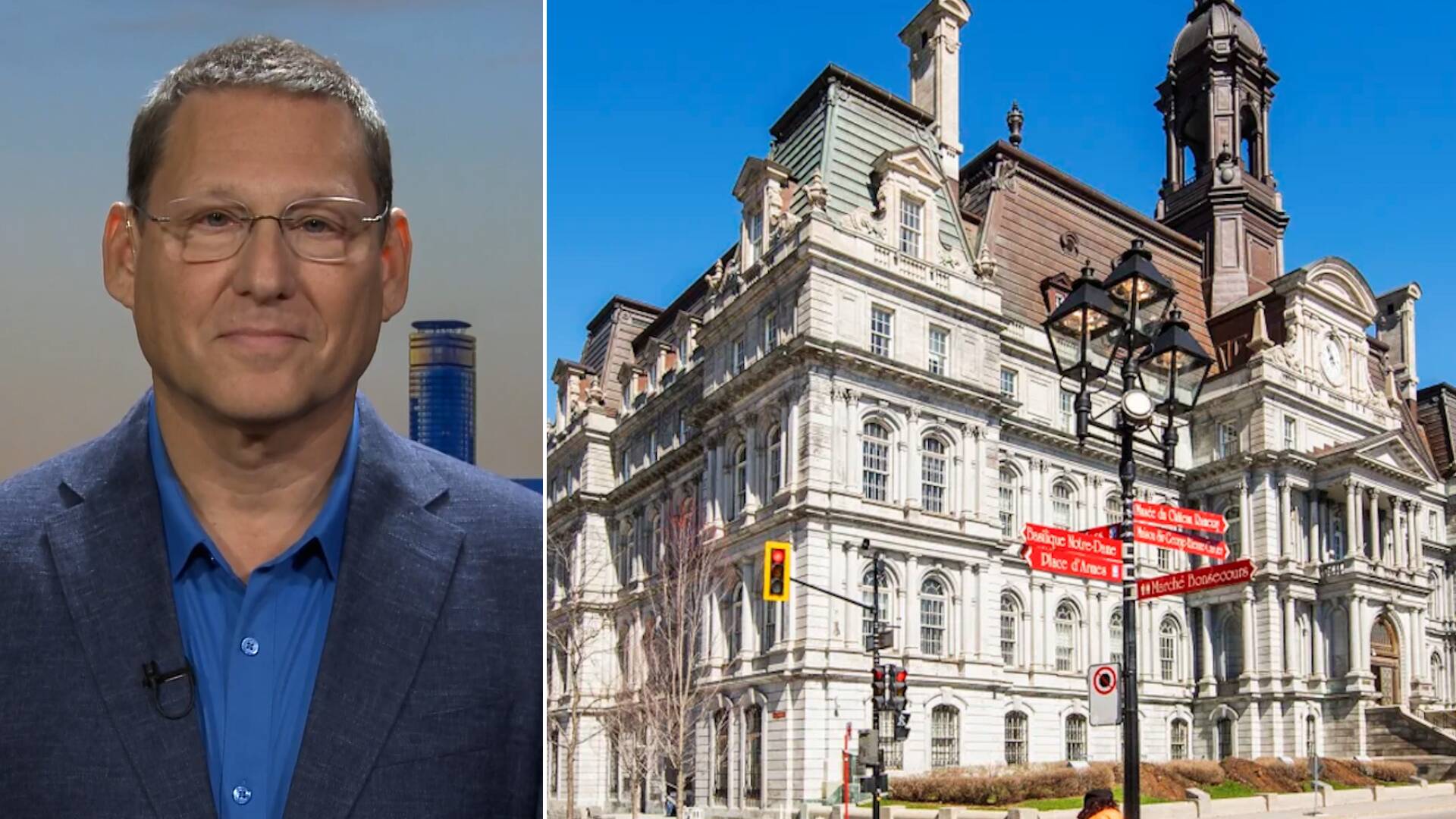
The discussions surrounding the Montreal City Council’s consideration of a motion to sever institutional ties with the Israeli government have sparked intense interest and debate. This controversial issue reflects broader sentiments among Canadians regarding the ongoing conflict in the Middle East, especially concerning the situation in Gaza.
Public Sentiment on Israel and Gaza
Avi Lewis, a notable figure within Canada’s New Democratic Party, recently shared insights based on his experiences during various by-elections across major Canadian cities like Toronto, Montreal, and Vancouver. His observations suggest a strong moral position among Canadians regarding the violence and humanitarian crisis in Gaza. Lewis expressed that the vast majority of people he encountered voiced their outrage at the current situation, viewing it as a moral imperative for their government to take decisive action. He noted that the overwhelming feelings of shock and dismay towards the Israeli state’s actions have become increasingly evident.
The opinions of Canadians contrast sharply with historical narratives and pro-Israel sentiments, particularly those upheld by lobbying groups such as AIPAC and CIJA. While these organizations still wield significant influence over political discussions and mainstream media, public opinion appears to be shifting. Many Canadians are now advocating for their government to condemn actions perceived as genocidal and to take a firm stance against the systematic violence affecting civilians in the region.
Escalating Conversations Across Canada
The ongoing dialogue in Canada reflects a growing desire for accountability and moral clarity. Debates within city councils and academic institutions are increasingly common, highlighting a collective call for leadership that prioritizes human rights and justice. Lewis emphasized that the tide is turning in favor of those who advocate for a clear moral stance against apartheid and violence. He remarked that Canadians want their elected officials to align with humanitarian principles and stand against any form of oppression, which echoes sentiments shared across many communities.
This collective outrage is significant not only at the municipal level but also in shaping national conversations about foreign policy and international human rights. Canadians are becoming more aware of the implications of their government’s foreign relations and are demanding that these relations reflect contemporary moral values. The momentum of these discussions, as Lewis pointed out, will not diminish; rather, they will intensify as more citizens become engaged and mobilized.
Implications for Future Policy
As the Montreal City Council prepares for its upcoming debate, the implications of such decisions could resonate far beyond local governance. They could set a precedent for how Canadian municipalities address complex international issues tied to human rights and conflicts. Engaging in these vital discussions reinforces the notion that citizens are empowered to influence policy through informed activism.
The mounting pressure on political representatives to adopt a more humane and just approach to international affairs is evident. Canadians are increasingly mobilizing to express their concerns, challenging long-standing narratives and advocating for policy changes that reflect their values. As voices like Avi Lewis’s continue to gain traction, the direction of Canada’s foreign policy may shift considerably in favor of humanitarian concerns, prioritizing ethical governance over traditional alliances.
In conclusion, the urgency surrounding the Montreal City Council’s deliberation on severing ties with the Israeli government encapsulates a larger movement within Canada. As discussions unfold, they represent a pivotal moment for Canadians who aspire to see their country take a decisive stand for justice and human rights on the global stage.