
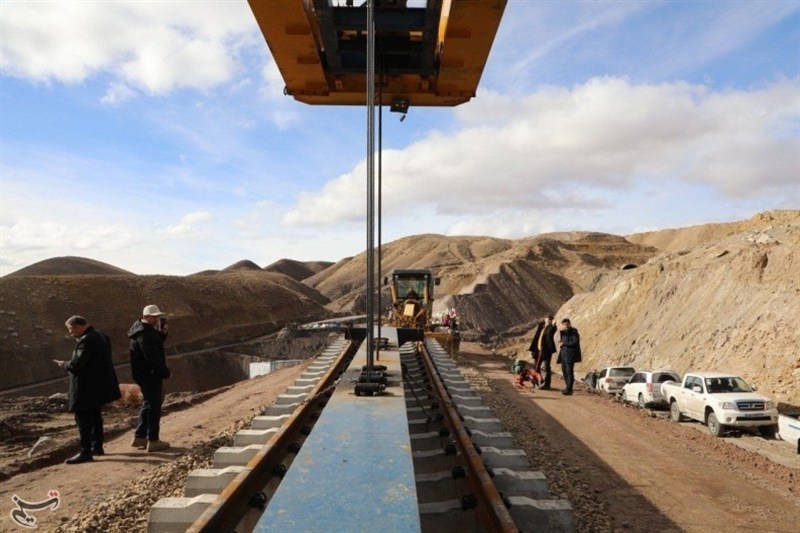
The Khavaran–Tabriz–Marand–Cheshmeh Soraya railroad project is on the brink of significant development, as Jabbar Ali Zakeri, CEO of the Islamic Republic of Iran Railways, indicated that a contract will soon be finalized. This ambitious initiative aims to enhance Iran’s rail connectivity, reinforcing the nation’s strategic transport links with Turkey.
Connecting Borders and Expanding Infrastructure
Zakeri highlighted the importance of integrating Cheshmeh Soraya into Iran’s existing rail network, which will facilitate a new border connection with Turkey. This linkage is not merely a logistical improvement; it reflects a broader commitment from the Iranian administration to enhance regional transportation networks. The goal is to make cross-border rail travel smoother and more efficient, promoting trade and economic ties.
Project Approvals and Preparatory Steps
All necessary approvals for the Khavaran–Tabriz–Marand–Cheshmeh Soraya project have been secured, and preliminary studies are now complete. Over the past six months, the groundwork for finalizing the contract has been meticulously laid. Zakeri stated that it will be executed under an engineering, procurement, and construction (EPC) model. This structured approach ensures that once the contract is signed, the contractor will engage in supplementary studies and move into the second phase of project assessment.
Construction efforts are anticipated to kick off within the first half of the contract period, establishing momentum for this crucial infrastructure development.
Route Specifications and Length Adjustments
The total length of the railroad line is projected to be approximately 324 kilometers, which is longer than the previously estimated 294 kilometers. This adjustment has been made to align the project’s specifications with unified technical standards set by the authorities. According to Zakeri, this measure aims to ensure consistency and quality throughout the entire rail corridor.
A Vital Link in the East-West Corridor
The deputy minister of roads and urban development emphasized that the Khavaran–Tabriz–Marand–Cheshmeh Soraya railway is not just a local initiative; it is a critical segment of Iran’s east-west rail corridor. Spanning from Sarakhs in northeastern Iran to Cheshmeh Soraya in the northwest, the project necessitates uniform technical guidelines and adherence to quality standards. By maintaining these standards, the railway will facilitate smoother transport and bolster regional connectivity.
In conclusion, the impending contract for the Khavaran–Tabriz–Marand–Cheshmeh Soraya railroad project represents a pivotal step in advancing Iran’s transport infrastructure. With strategic importance underscored by regional connectivity goals, this project aims to enhance trade links and support economic growth long into the future. The finalized EPC contract will act as a launchpad for construction and development, setting the stage for a more interconnected Iran and improving international relations through enhanced rail links.