
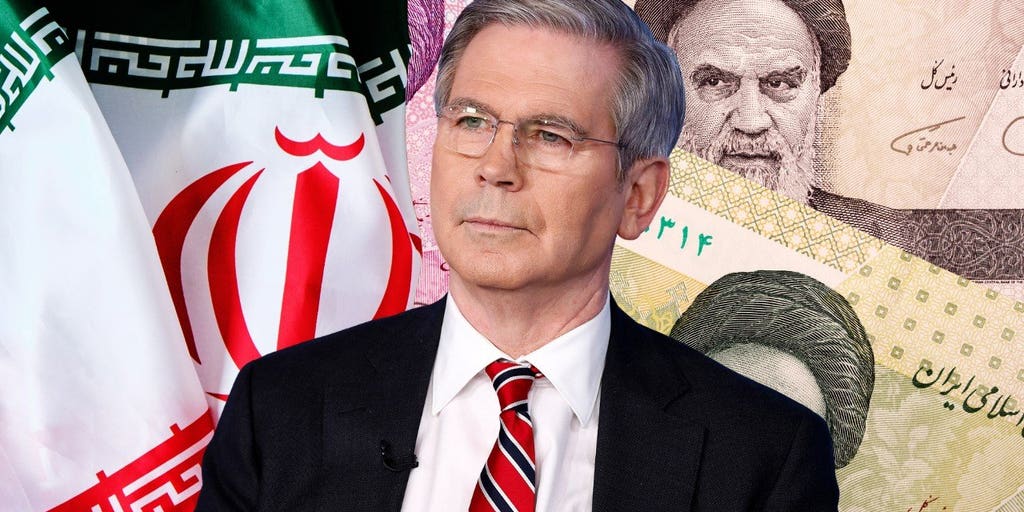
In a significant move by the Trump administration, Treasury Secretary Scott Bessent has declared a new set of secondary sanctions aimed directly at nations that maintain economic ties with Iran. This initiative is part of ongoing efforts to undermine Tehran’s financial resources, ultimately seeking to bring an end to its military engagements.
Understanding Secondary Sanctions
Secondary sanctions are measures that penalize third-party countries, entities, or individuals for engaging in business with the targeted nation. In this case, by focusing on Iran, the U.S. aims to intensify pressure on the Iranian government, which has long faced accusations of supporting terrorism and violating international accords. The introduction of these sanctions sends a clear message that the U.S. will not tolerate any form of financial support for Iran, thus tightening the economic noose around the nation.
Impact on Global Trade Relations
Countries that choose to defy these sanctions may find themselves facing significant repercussions from the U.S. This creates a challenging dilemma for nations that rely on Iran for energy or other resources, forcing them to weigh the economic benefits of engagement against potential punitive measures. In a global economy where trade relations are vital, this approach raises questions about how countries will navigate their dealings with both Iran and the U.S. The sanctions serve not only to limit Iran’s capabilities but also to reshape the dynamics of international trade, coercing nations to rethink their positions carefully.
The Broader Geopolitical Implications
This strategy is not just about sanctions; it reflects a larger geopolitical chess game in which the U.S. is aiming to exert its influence while countering perceived threats from Iran. By targeting nations that do business with Iran, the U.S. hopes to isolate Tehran further, potentially leading to internal pressures that could destabilize the Iranian government. Such a strategy is reminiscent of previous economic maneuvers that have been employed in other regions, emphasizing the U.S.’s role as a global enforcer of its foreign policy interests.
Future of U.S.-Iran Relations
The implementation of these new secondary sanctions signals a continued deterioration of U.S.-Iran relations, which have been fraught with tension for decades. It also complicates any potential diplomatic efforts aimed at restoring dialogue over Tehran’s nuclear program and regional activities. The likelihood of future negotiations seems slim, especially as the U.S. maintains a hardline stance to discourage any sign of economic resilience in Iran.
These sanctions represent a multifaceted approach to American foreign policy, intertwining economic strategies with broader geopolitical objectives. As the situation unfolds, it will be crucial to monitor how these pressures impact both Iran and its trading partners and whether they lead to meaningful changes in behavior from Tehran.