
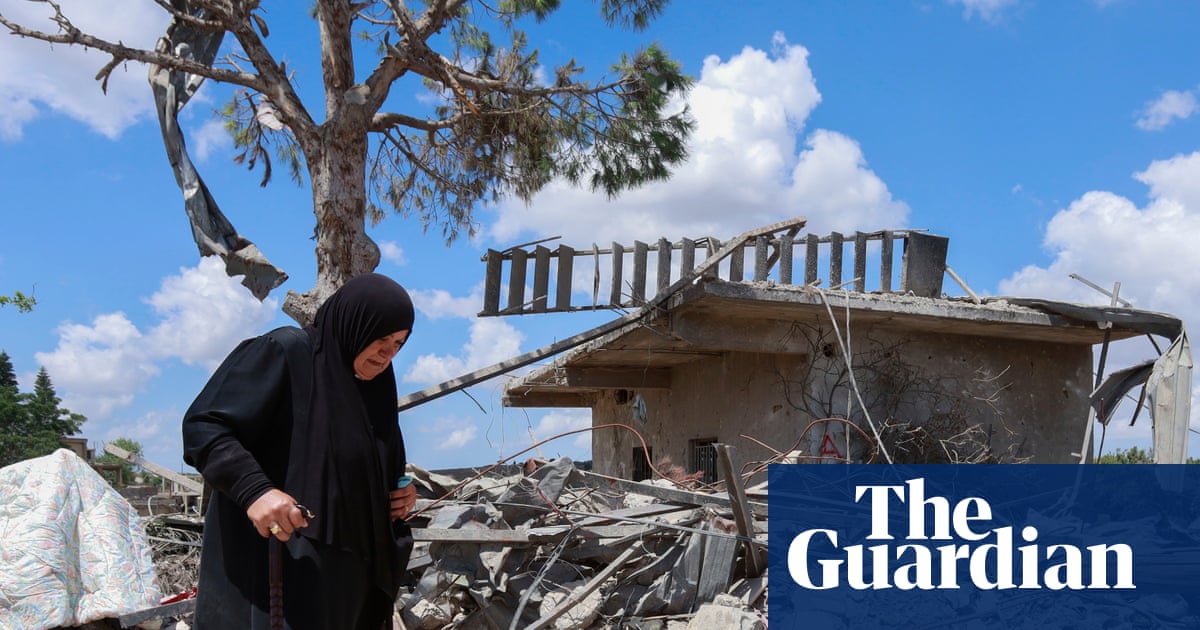
In the wake of conflict, communities often face deep emotional and social upheaval. This is particularly evident in southern Lebanon, where residents deal with the loss of loved ones and the challenges posed by ongoing hostilities. Stories of individuals like Fatima al-Ashkar shine a light on the significant role social structures play in providing support during such difficult times.
The Impact of Loss in Conflict
Fatima al-Ashkar, a 26-year-old mother from Markaba, had to confront the harsh reality of her husband’s death due to the ongoing conflict with Israel. To explain this tragedy to her children, she utilized toys: arranging soldiers in a mock battle and mimicking air raids. “I started explaining to them: ‘Israel came and bombed here. Daddy was here. Daddy was martyred. Daddy was protecting us from Israel,’” she recounted, portraying the depth of her sorrow alongside her determination to provide support for her children.
Al-Ashkar’s experience is not unique; many families in the region are affected similarly. The sudden loss of a provider creates a vacuum that weighs heavily on mothers and children. However, al-Ashkar is receiving crucial support from Hezbollah’s martyr foundation, which has provided her with housing, educational stipends, and healthcare support. This organization steps in where the state often falters, particularly in areas significantly impacted by conflict.
Hezbollah’s Role in Social Welfare
In regions like southern Lebanon, Hezbollah plays a critical role in community support and social welfare. The organization not only offers financial aid but also psychological support, with representatives visiting al-Ashkar’s home to provide encouragement and assistance. “Hezbollah is standing by us. They do everything for us,” she stated, emphasizing the reliance many have on the group for basic needs, reinforcing the idea that, in the absence of effective state mechanisms, local organizations become the lifeline for those suffering from loss.
The Lebanese state struggles to assert its authority amidst a backdrop of sectarian divides and a lack of public trust. Citizens like al-Ashkar often look to Hezbollah for security as the Lebanese government’s capacity to address their needs remains uncertain. The situation is complicated by ongoing tensions, with many believing that the absence of effective governance leaves them no option but to depend on non-state actors.
The Challenges of State Legitimacy
As the Lebanese government attempts to establish itself and reclaim authority, it faces significant challenges. The population is polarized, with Hezbollah’s supporters accusing the government of ineptitude in dealing with Israeli aggression. Conversely, critics of the group blame Hezbollah for instigating conflict. This division complicates the government’s efforts to gain the trust of citizens and re-establish its role in providing security and welfare.
Rebuilding trust within communities requires a multi-faceted approach. Lebanese officials recognize that changing the narrative will take time and extensive cultural shifts, especially in areas where Hezbollah has deep roots. The government plans to demonstrate its capabilities through reconstruction efforts in areas returning from Israeli occupation, showcasing its ability to restore order and provide services. However, continuous aggression from Israel undermines these efforts, as citizens witness their state’s inability to protect them.
Despite the administrative efforts of the Lebanese government, many individuals like al-Ashkar remain skeptical about the state’s ability to ensure their safety. With memories of displacement and occupation fresh in their minds, they often perceive the state as ineffective. Al-Ashkar’s sentiments echo a larger frustration: “Sometimes you feel they’re working for the Israelis,” illustrating the complex relationship between citizens, the state, and armed groups in Lebanon.
In conclusion, the emotional and practical challenges posed by conflict in southern Lebanon reveal the intricate realities of dependence on social organizations like Hezbollah, especially in the absence of effective state support. As Lebanon navigates these turbulent waters, the road to rebuilding trust and delivering security remains a complicated and ongoing struggle.