
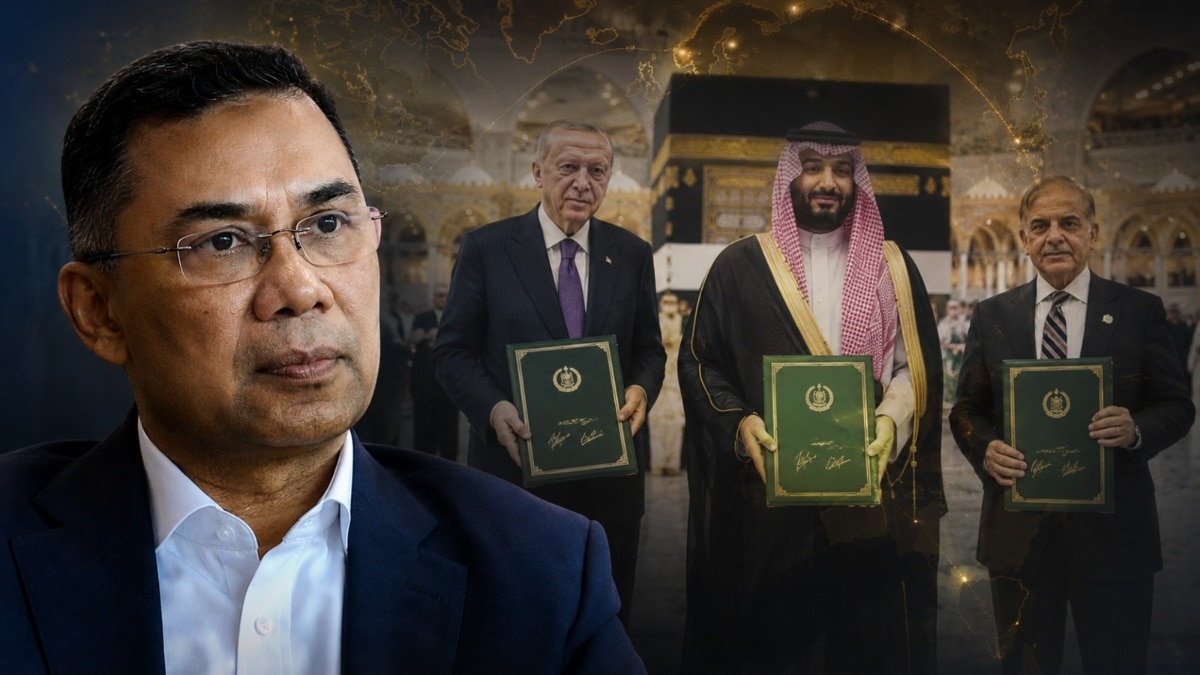
The burgeoning defense alliance among Saudi Arabia, Pakistan, and Turkey, known as the Mecca Pact, is expanding its horizons by potentially inviting other Muslim-majority nations like Bangladesh to join its ranks. While Bangladesh has yet to make a definitive decision regarding its participation in this bloc, there have been indications from government officials that the possibility of joining could be on the table, provided it aligns with the nation’s national interests.
Bangladesh’s Tentative Stance on the Mecca Pact
Bangladesh has approached the prospect of joining the Mecca Pact with caution. As the nation seeks to balance its foreign policy amidst fluctuating relations with India, its leaders have expressed interest in the economic and defense framework being proposed by Saudi Arabia, Pakistan, and Turkey. Torn between strategic alliances and national interests, the government acknowledges that any decision will be carefully weighed against the benefits it might offer to the Bangladeshi people.
Rumors suggest that Prime Minister Tarique Rahman may visit Saudi Arabia at the invitation of Crown Prince Mohammed bin Salman. The visit could provide vital clarity regarding what Bangladesh might require from this alliance. Concerns loom regarding the potential effects of a close association with the Mecca Pact, especially given the historical context of Bangladesh’s diplomatic endeavors with India.
Implications of Joining the Islamic Bloc
The Mecca Pact, established on August 7, centers around collective defense—indicating that an attack on any of its members would be regarded as an attack against all. While this ideological framework bears resemblance to NATO’s Article 5, details on operational procedures and obligations remain undisclosed. However, Bangladesh must consider what it would gain from such a partnership versus the risks involved.
The nation’s close ties with Pakistan, evidenced by renewed air and military cooperation, raise alarms in New Delhi, especially regarding the historical tensions with its neighbor. Analysts have noted that growing Islamic sentiment within Bangladesh could see it aligning more closely with the Mecca Pact, leading to a shift that could complicate its relationship with India further.
What Bangladesh Stands to Gain
If Bangladesh decides to join the Mecca Pact, it would not simply be a passive participant. Experts argue that such a move would provide the alliance with strategic leverage in South Asia, which could heighten India’s security concerns. Bangladesh’s extensive military experience—particularly in UN peacekeeping—could significantly contribute to joint military initiatives within the bloc.
Moreover, the potential economic benefits of joining could include increased job opportunities abroad, foreign investments, and robust energy security. For Bangladesh, this proposed alliance could translate into essential strategic and economic advantages, provided it secures clear, tangible commitments from its potential partners.
However, Bangladesh must also guard against potential pitfalls, such as becoming embroiled in conflicts that don’t align with its national priorities. The mounting pressure on smaller nations could necessitate a more astute evaluation of the costs versus benefits of joining the Mecca Pact.
Evaluating the Risks of Participation
Former diplomats and military analysts have urged the Bangladeshi government to thoroughly assess the implications of joining the Mecca Pact. The primary concern revolves around whether such a move would compromise Bangladesh’s ability to maintain a neutral stance in broader geopolitical conflicts in South Asia and the Middle East.
Should Bangladesh pursue membership in the pact, it must ensure it does not sacrifice its foreign policy independence for the sake of alliance symbolism. A clear understanding of what is on offer from Saudi Arabia, Turkey, and Pakistan will be critical in the decision-making process.
In conclusion, as Bangladesh navigates its intricate foreign policy landscape, the decision to join the Mecca Pact necessitates a thorough analysis of national interests, potential gains, and the broader implications of such an alliance. The stakes are high, and Bangladesh must tread cautiously to safeguard its sovereignty while exploring new partnerships.