
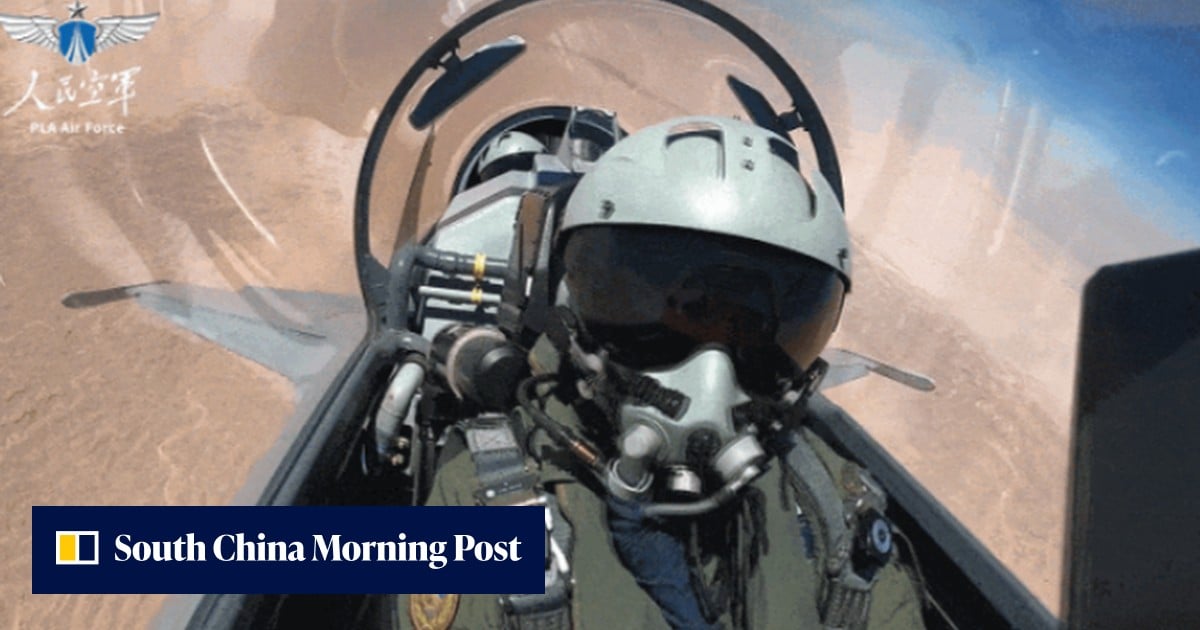
Chinese fighter jets have recently engaged in combat training alongside their Egyptian counterparts, marking a significant moment following a substantial deployment of the Chinese Air Force to the Middle East. This joint exercise underscores the strengthening military relations between China and Egypt.
Deployment and Journey of the Chinese Air Force
The People’s Liberation Army (PLA) Air Force executed a remarkable mission involving J-16 fighter jets, YU-20 aerial tankers, and KJ-500 early warning aircraft. According to state broadcaster CCTV, the aircraft undertook an extensive journey of over 6,000 kilometers (approximately 3,730 miles) within a nine-hour flight to reach Egypt. The report did not specify which four countries the jets traversed during this operation; however, it raised curiosity about their potential routes over Iran or Gulf nations.
Training Objectives and Exercises
The recent joint training sessions aimed to assess and enhance the capabilities of the air forces in rapid deployment, long-range force projection, and synchronized operations. The exercise notably involved aerial refueling conducted by YU-20 tankers, which was crucial for the sustained flight of the J-16s before their landing at an Egyptian airbase on August 21. Such activities emphasize the growing tactical readiness and coordination between the two nations’ air forces.
Upon arrival, the PLA Air Force efficiently unloaded supplies and organized equipment within a single day, which included conducting briefings in preparation for the training missions. This rapid deployment highlights the agility and effectiveness of modern military operations.
Impact on Combat Readiness
The integration of multiple air assets during the exercise has been described as a beneficial platform for improving combat skills among participating pilots. According to Ning Yiming, a pilot involved in the training missions, “The joint exercises have provided a valuable platform for us pilots to improve our combat capabilities.” These collaborative efforts not only enhance individual skills but also foster a sense of camaraderie and strategic alignment between the two forces.
In summary, the recent joint exercises involving the Chinese and Egyptian air forces have showcased significant advancements in operational readiness and military cooperation. As regional dynamics continue to evolve, such collaborations may play a crucial role in fostering security and stability in the Middle East. The ongoing development of air capabilities reflects a commitment by both nations to strengthen their defense frameworks and to prepare for any future contingencies.
This exercise is a clear indication of how military alliances can enhance operational efficiency and readiness on a global scale, positioning both China and Egypt as key players in the region’s military landscape.