
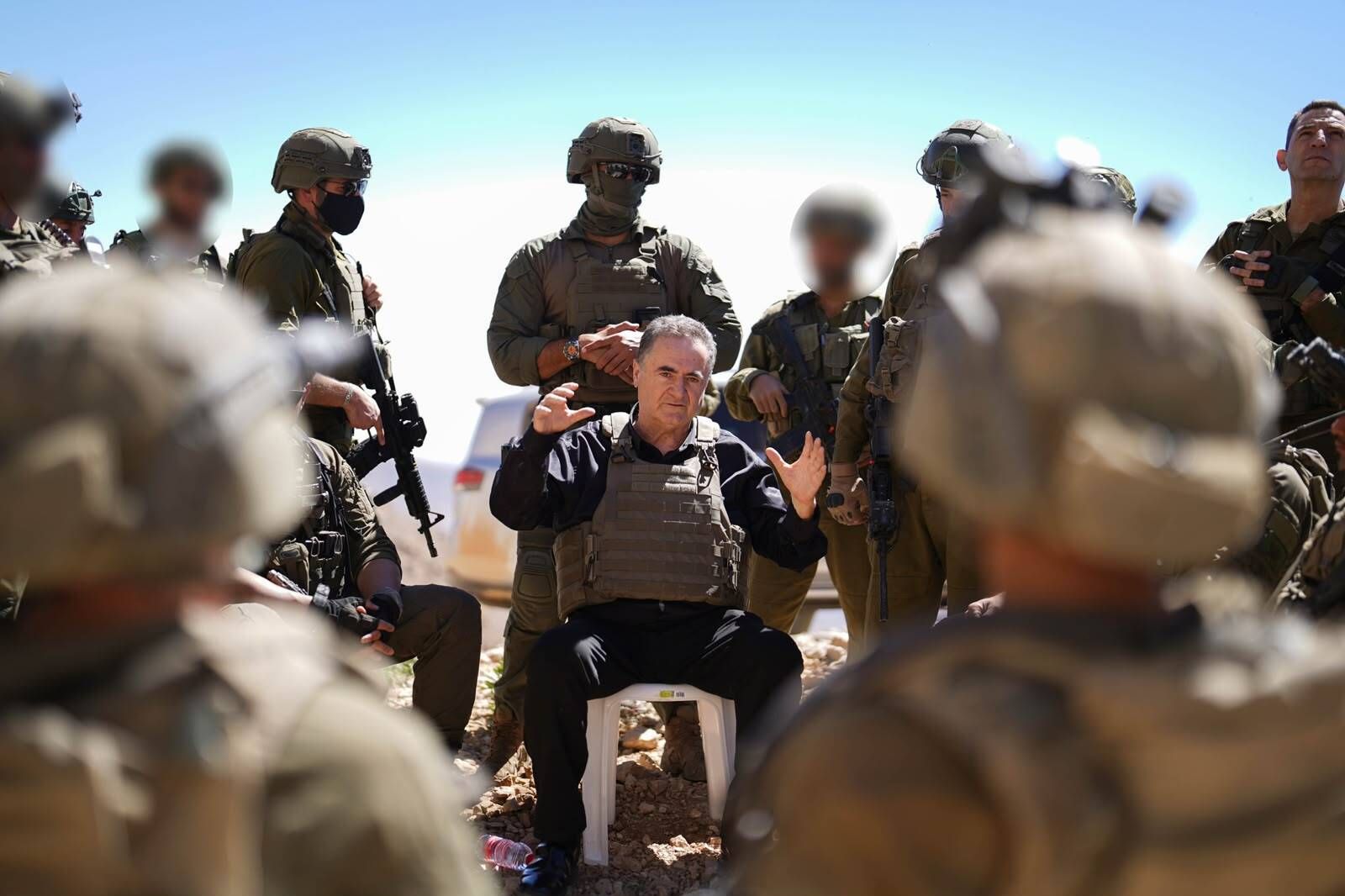
Defense Minister Israel Katz recently visited Israeli Defense Forces (IDF) personnel deployed on the Syrian flank of Mount Hermon. This visit underscores the ongoing security challenges faced by Israel and the military’s commitment to maintaining a protective presence in strategic areas.
Commitment to Security in Mount Hermon
During his visit, Katz emphasized the unwavering determination of the IDF to remain stationed at Mount Hermon and the surrounding security zones until the threat of jihadist groups is neutralized. He addressed the troops, stating, “As long as jihadist elements pose a risk to Israel, we will not retreat from Mount Hermon or the security zone.” His message extended to the Syrian president, indicating that the presence of the IDF should serve as a reassurance to the Israeli populace about their safety and the protection of national borders.
Strategic Military Actions in Northern Syria
Katz also provided insights into recent military operations, particularly the airstrikes on the Al Duhur Airbase located in northern Syria. He explained that these strikes were crucial in thwarting Turkish initiatives aimed at establishing outposts within Syria’s borders. This strategic military response illustrates Israel’s proactive stance against potential threats from neighboring countries, particularly regarding any expansion of hostile military frameworks that could undermine regional stability.
Collaboration and Military Assessments
During the visit, IDF commanders presented Katz and other senior officials with an in-depth assessment of their ongoing operations in the sector. This review of activities highlighted the importance of their presence in the area, particularly in terms of gathering intelligence and monitoring risks from adversarial forces. Katz pointed out that the IDF’s strategic oversight of regions like the Bekaa Valley in Lebanon and the Golan Heights is vital for Israel’s national defense strategy, given that Hezbollah and other jihadist factions are actively operating nearby.
Ongoing Diplomatic Efforts Amid Tensions
Katz’s visit came shortly after a significant meeting between Mossad chief Roman Gofman and Syrian Foreign Minister Assad al-Shibani in Amman. These discussions aimed to alleviate rising tensions between the two nations, with reports suggesting that the talks were constructive. Despite recent hostilities, including airstrikes that disrupted prior negotiations, al-Shibani conveyed hopes that dialogue regarding a potential security agreement could be revisited, indicating a desire for stabilization in relations.
In sum, Israel’s ongoing military presence on Mount Hermon underscores a strategic commitment to national security amidst constant threats from jihadist groups. As the IDF remains vigilant, diplomatic conversations continue to unfold, potentially paving the way for future collaborations aimed at de-escalating tensions not just with Syria, but throughout the region. Understanding the interplay between military readiness and diplomatic efforts illustrates the complexities of Israel’s security landscape and its broader implications for regional stability.