
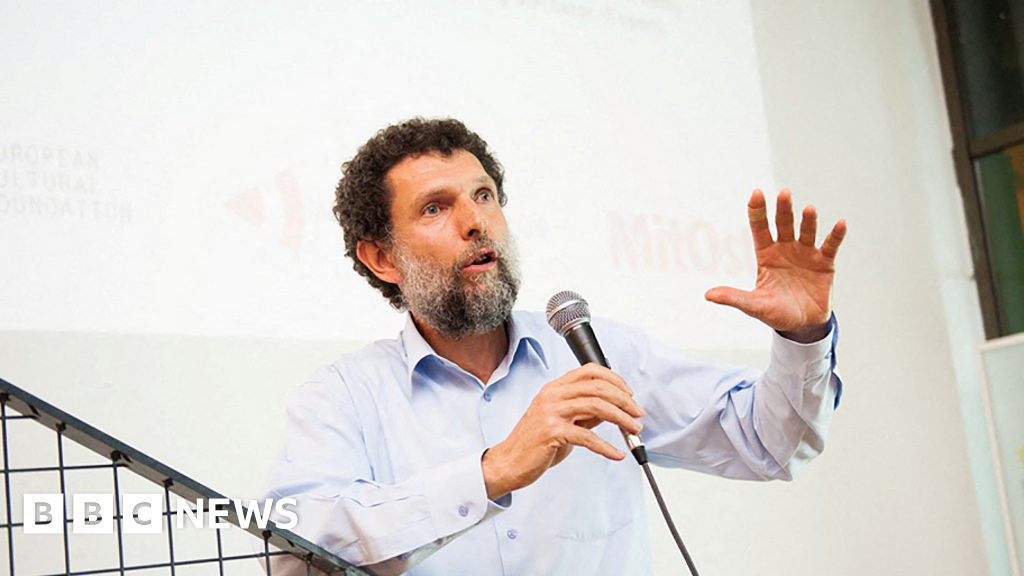
The Turkish judicial system faces significant challenges, particularly in relation to political dissent and the treatment of individuals advocating for human rights. The recent case of Osman Kavala has highlighted these systemic issues, revealing deeper problems within the nation’s approach to justice.
Systemic Issues in Turkey’s Judiciary
The ruling court identified that Kavala’s situation illustrates a broader “systemic problem” in Turkey, which involves the detention and prosecution of political opponents, human rights defenders, and journalists. This serious assertion emphasizes the necessity for reform in the judicial system. The implications extend beyond individual cases; they point to a nationwide pattern that undermines the foundations of justice. The court’s remarks suggest that various entities within the Turkish state are failing to adhere to principles of fair trial and legal impartiality, which are crucial for a functioning democracy.
Impact on Human Rights Defenders
Human rights defenders often find themselves at risk in environments where courts do not operate independently. This precarious position tends to create a chilling effect on activism and civic engagement. The Turkish context has seen numerous activists and journalists incarcerated, often on dubious charges. Such practices not only violate international human rights standards but also erode public trust in judicial institutions. The involvement of the judiciary in political repression complicates matters further, leading to an environment where fear overshadows freedom of expression.
Judicial Independence and Impartiality
The court’s findings also pointed out “structural shortcomings” that compromise the guarantees of judicial independence and impartiality. When the legal framework is manipulated to serve political ends, the judiciary fails to fulfill its essential role as a check on governmental power. For the public to have confidence in the justice system, lawmakers and legal practitioners must actively work towards safeguarding judicial independence. Failure to do so will not only perpetuate existing injustices but may also lead to a cycle of political instability.
The Path Forward
To address these identified shortcomings, Turkey must initiate comprehensive reform strategies aimed at strengthening judicial independence. Transparent mechanisms need to be established to ensure that judges and prosecutors can operate free from external pressures. Civil society plays a critical role in this process, advocating for legal reforms that promote not only the rights of individuals like Kavala but also the broader public interest. Greater international scrutiny and support can also contribute to holding the Turkish government accountable for its judicial practices.
In conclusion, the situation surrounding Osman Kavala underscores urgent deficiencies within Turkey’s legal system. Addressing these challenges requires a concerted effort from both domestic and international actors. As the eyes of the world turn towards Turkey, it remains crucial for all stakeholders to prioritize the establishment of a fair and impartial judiciary that respects the rule of law and human rights. Creating an environment where dissent and activism are not criminalized will be vital for paving the way toward a more just society.