
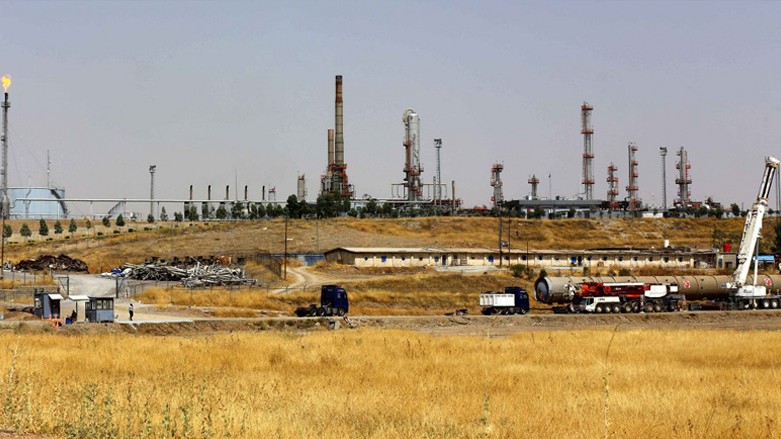
As geopolitical dynamics shift, Iraq finds itself at the center of a complex interplay involving major global powers. With the United States strategically maneuvering within the region, especially in light of Iraq’s ambitious plans to ramp up oil production, it’s essential to understand the implications of these developments. Iraqi Prime Minister Ali al-Zaidi has announced an objective of boosting oil output to between 8 million to 10 million barrels per day (bpd) within the next six years, prompting urgency among global stakeholders, particularly the U.S. and its allies.
Iraq’s Strategic Oil Reserves
Iraq is eyeing a significant expansion of its oil industry, making it a target for competing interests. The country boasts around 145 billion barrels of proven oil reserves, accounting for nearly 18% of the Middle East’s total and ranking fifth globally, according to the Energy Information Administration. This figure likely underestimates the true extent of Iraq’s energy resources, as the lifting costs are among the lowest in the world at approximately $2-4 per barrel. With favorable geography lying at the heart of the Middle East, Iraq provides fertile ground for energy exploitation, and it acts as a critical conduit for the movement of oil from Iran, which has faced heavy international sanctions. This unique positioning enhances Iraq’s importance in regional geopolitics.
Power Shifts After the U.S. Withdrawal from the JCPOA
In the wake of the U.S. exit from the Joint Comprehensive Plan of Action in 2018, both China and Russia have moved aggressively to fill the power vacuum in Iraq. Russia has established significant control over the northern semi-autonomous Kurdistan Region, while Chinese investments, anchored by two major agreements in 2019 and 2020, have cemented its foothold in southern Iraq. These collaborations, often framed as “Oil for Reconstruction,” allow China to invest in vital infrastructure while securing oil supply guarantees. This has resulted in a substantial Chinese presence in Iraq, controlling around 34% of proven reserves and a significant majority of the country’s oil production capacity.
The U.S. Response and Oil Development Initiatives
Faced with these encroachments, the U.S. is taking steps to reclaim influence over Iraq’s oil sector. In the early days of Donald Trump’s second term, sanctions were imposed that effectively pushed Russian companies out of the Kurdistan Region. Simultaneously, American firms began securing key oil field deals across Iraq, such as ConocoPhillips’ acquisition of a significant stake in BP’s Kirkuk assets. This redevelopment effort aims to add 450,000 bpd to Iraq’s oil output in a multi-decade project that holds promise for both American and Iraqi interests.
Chevron is also making significant inroads, taking advantage of opportunities created by Russian sanctions. The company aims to expand operations in major oil fields such as West Qurna 2 and Nasiriyah, with ambitious production goals. The potential for a unified, large-scale oil development strategy offers opportunities for both Chevron and Iraq’s goal of achieving over 6 million bpd in production by 2029. With Western majors returning to Iraq’s oil landscape, the geopolitical stakes continue to rise.
Conclusion: The Future of Iraq’s Oil Sector
As Iraq navigates these complex international dynamics, the future of its oil sector remains intertwined with broader geopolitical ambitions. The strategic importance of the country, coupled with its vast energy resources, positions it as a pivotal player in regional and global energy markets. With the U.S. actively working to regain its influence against Russian and Chinese interests, the forthcoming years will be crucial for Iraq’s oil production trajectory and its role within the global energy landscape. Enhanced cooperation among Western firms and Iraqi officials will define the potential for stabilizing the nation’s oil revenue streams while ensuring that geopolitical tensions remain managed.