
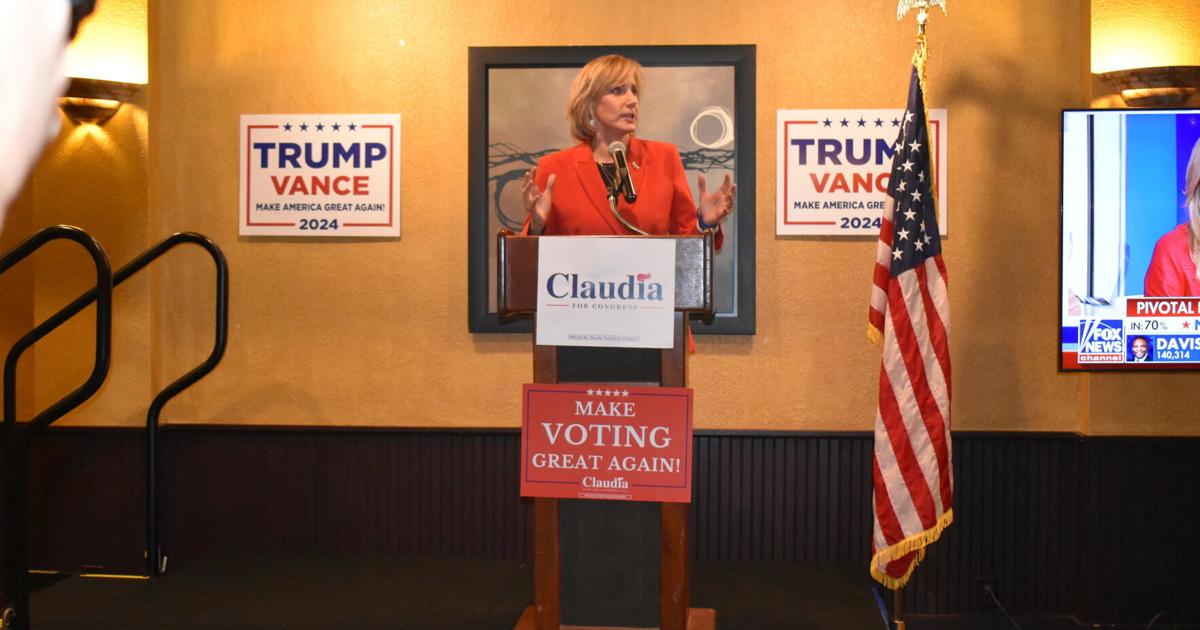
Democratic Congressional candidate Alissa Ellman is taking a strong stance against her opponent, Rep. Claudia Tenney, highlighting concerns regarding transparency and ethical conduct. This controversy revolves around Tenney’s trip to the World Cup, which was reportedly funded by the government of Qatar. Ellman’s criticism raises important questions about accountability in political funding and the implications for voters.
Transparency in Political Funding
The essence of democracy hinges on transparency, particularly when it comes to political funding. Voters deserve to know whether their elected representatives are influenced by foreign entities. In this case, Ellman’s allegations against Tenney shed light on the risks associated with undisclosed sponsorships. When government officials accept lavish trips from foreign nations, it raises ethical concerns about their decision-making processes. Are they representing the interests of their constituents, or are they swayed by external incentives?
Ellman argues that Tenney’s lack of disclosure erodes public trust. The electorate is increasingly wary of politicians who fail to provide full transparency regarding their financial backing. By highlighting this issue, Ellman is not only calling out Tenney but also fostering a broader conversation about the need for stricter regulations on political contributions and endorsements from foreign governments.
Implications of Undisclosed Sponsorships
The ramifications of undisclosed sponsorships can be far-reaching. First and foremost, they can create perceived or real conflicts of interest. If a politician accepts funding from a foreign government, it could influence their votes on critical issues that align with that country’s interests rather than the interests of their constituents. For instance, decisions related to foreign policy, trade agreements, and immigration may be swayed by such external influences.
Moreover, incidents like this can fuel cynicism among voters. Many individuals feel that politicians are more interested in serving their own interests or the interests of powerful donors rather than representing the public. This sentiment can lead to lower voter turnout and disengagement from the political process, ultimately undermining the democratic system itself. By highlighting these concerns, Ellman aims to encourage voters to demand greater accountability from their representatives.
Encouraging Ethical Standards in Politics
Ellman’s criticism of Tenney serves as a call to action for politicians across the board. It reminds them of the importance of adhering to ethical standards and prioritizing the interests of their constituents. Voter engagement and trust can be bolstered by embracing transparency and ensuring that political representatives are accountable for their actions.
To foster a more ethical political landscape, voters must advocate for reforms that emphasize transparency in campaign financing. Comprehensive legislation aimed at curbing the influence of foreign money in politics could help to restore faith among the electorate. As the political landscape continues to evolve, it is crucial for candidates like Ellman to lead the charge for greater accountability and ethical practices.
In conclusion, the controversy surrounding Rep. Claudia Tenney’s undisclosed funding for her trip to the World Cup highlights significant issues of transparency, accountability, and ethical conduct in politics. Alissa Ellman’s criticisms not only target Tenney but also encourage a broader dialogue on the importance of transparency in political funding. For democracy to thrive, elected representatives must prioritize the interests of their constituents over foreign influences, ensuring that they remain accountable to the voters who elected them.