
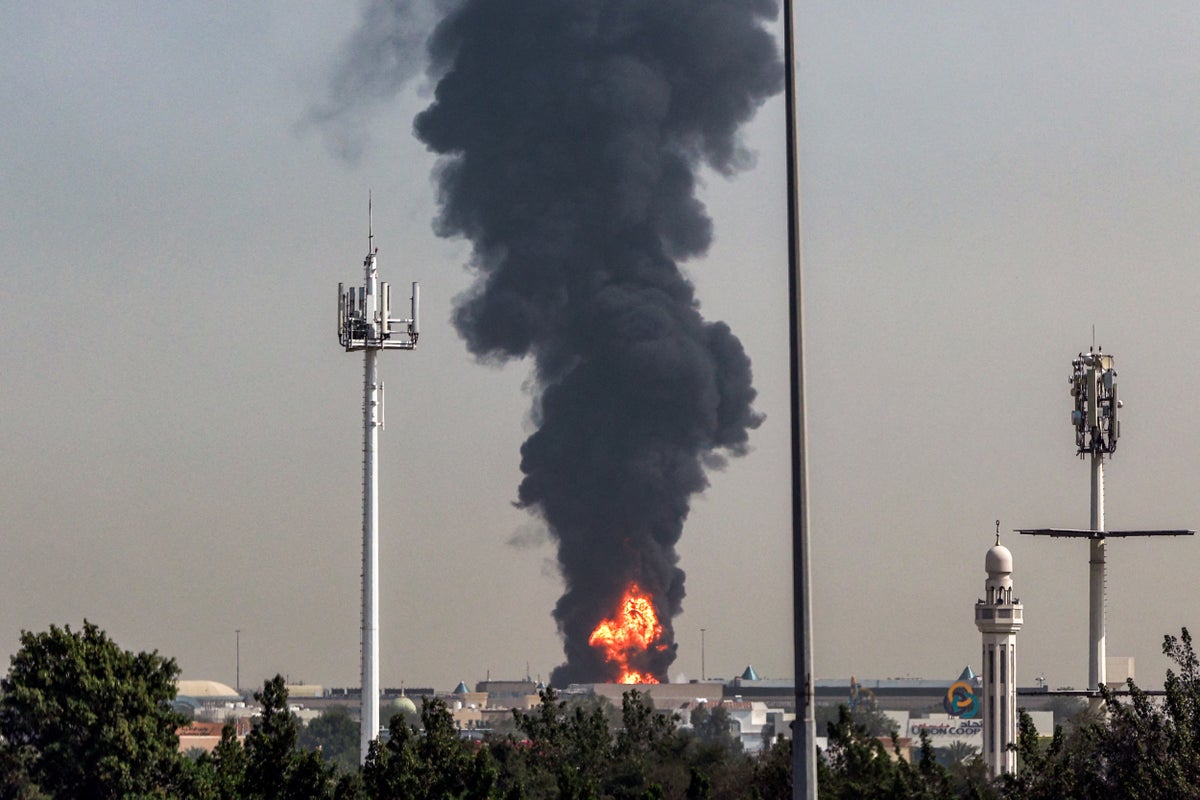
Passenger numbers at Dubai International Airport saw a significant drop in the second quarter due to escalating tensions and conflicts in the region. With travelers opting for alternative routes to avoid the Middle East, the airport recorded only 13 million passengers during this period. This brings the total for the first half of the year to 31.5 million, marking a 31.3% decline compared to the same timeframe in 2025.
### Impact of Regional Conflicts on Aviation
The aviation sector in the UAE and the broader Gulf region experienced severe disruptions due to military actions that commenced on February 28. A coordinated strikes initiated by the U.S. and Israel on Iran led to temporary closure and operational restrictions that affected numerous flights. Although Dubai airport escaped major damage, the situation caused considerable uncertainty in air travel.
In the first half of the year, the airport logged a total of 150,600 aircraft movements, a drop of 32.1% compared to the previous year. The second quarter alone saw around 62,500 movements, underscoring the operational downturn stemming from ongoing geopolitical issues.
### Signs of Recovery Amidst Tensions
Despite a challenging environment, CEO Paul Griffiths expressed optimism about a gradual increase in passenger volumes throughout the second quarter. “While the disruptions had a significant effect over a two-month span, we are now witnessing an upward trend,” he noted. Griffiths is hopeful that as international carriers, especially those from Europe, begin to relaunch their services, the airport can quickly return to its operating full capacity.
“Our trajectory is looking universally positive,” Griffiths stated, emphasizing the gradual recovery in passenger numbers month over month. This is a reassuring prediction for travelers and stakeholders in the aviation industry who have felt the brunt of the conflict’s effects.
### Ongoing Regional Uncertainties
The geopolitical climate remains volatile, particularly with ongoing conflict between the U.S. and Iran, which continues to escalate. Although Iran has established a temporary transit agreement with Oman concerning the key Strait of Hormuz, the strait remains closed, as clarified by Iranian officials. This indicates that while there may be some efforts towards de-escalation, significant tensions still hinder full recovery of air travel in the region.
Iranian Foreign Ministry officials have stated that recent agreements do not equate to reopening the strategic waterway. Tensions were further compounded by threats from U.S. officials regarding potential military actions against Iranian assets. This precarious situation has kept airline operators and passengers wary of the risks involved in air travel through affected areas.
The situation remains complex, with leaders like Israeli Prime Minister Benjamin Netanyahu suggesting that a diplomatic resolution to the conflict with Iran is unlikely. His comments reflect the sentiment among several international stakeholders that the region’s instability will irreversibly impact travel and economic activity in the near future.
Overall, as Dubai International Airport and its stakeholders navigate these turbulent times, the hope for a gradual recovery remains, albeit under a cloud of uncertainty brought on by ongoing regional conflicts.