
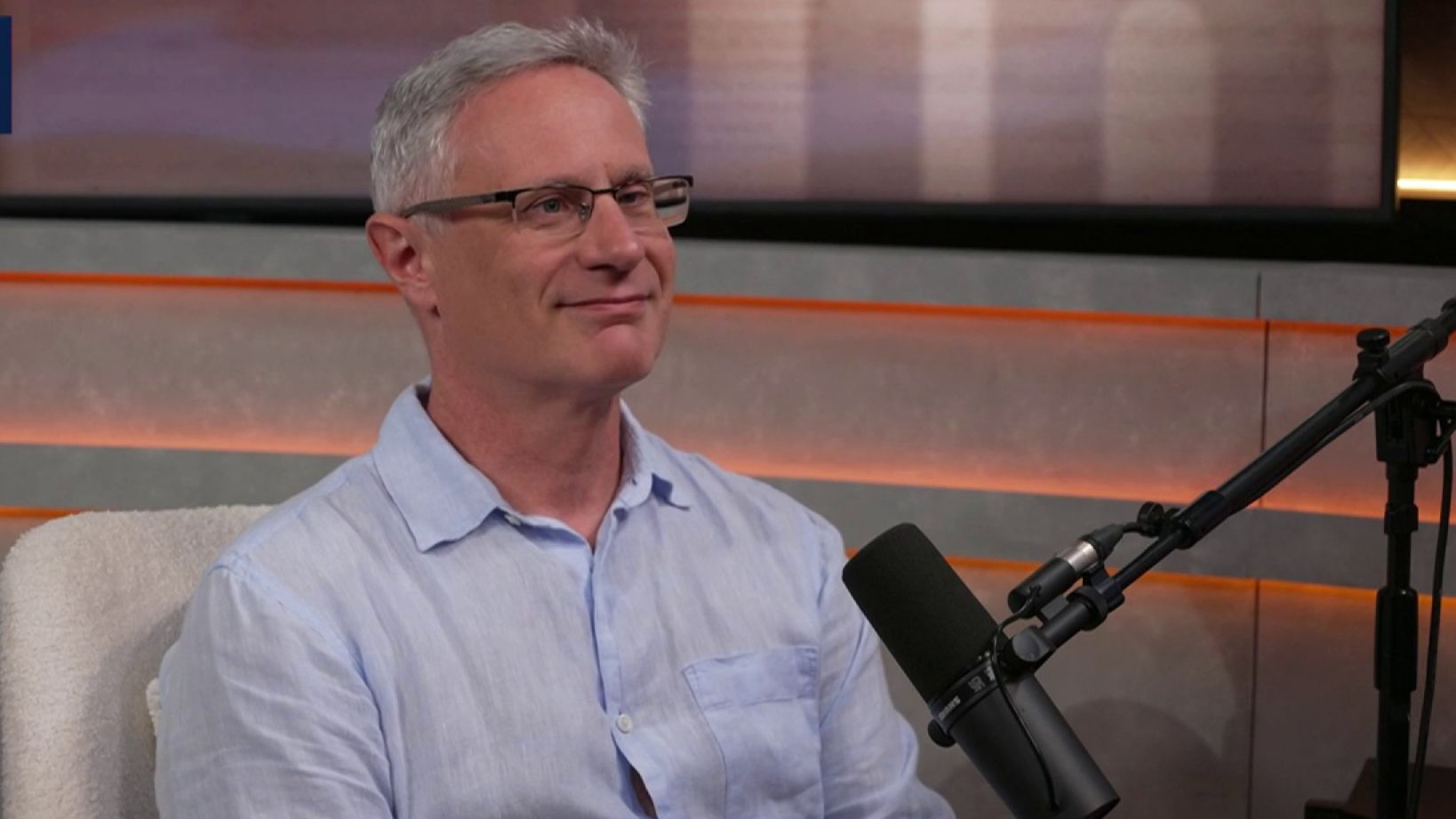
Israel’s former ambassador to Ukraine, Michael Brodsky, recently spoke with i24NEWS’ Ariel Oseran about his experiences during a tumultuous period marked by the war in Ukraine. Brodsky’s term began in June 2021, encompassing the onset of the Russian invasion, which has drawn widespread international attention and criticism.
The Initial Response to the War
Israel faced significant scrutiny for its slow response to the war, particularly regarding military support for Ukraine. In defense of Israel’s actions, Brodsky emphasized, “We provided very significant humanitarian assistance,” highlighting the country’s commitment to aid despite the political complexities involved. He noted that Israel was proactive on the diplomatic front. “At the beginning of the war, Prime Minister Naftali Bennett attempted to mediate, even making a trip to Moscow,” he said, illustrating Israel’s nuanced approach amidst escalating tensions.
When addressing potential Russian influence on Israel’s hesitancy to offer support, Brodsky acknowledged, “The Russians were very clear that there would be consequences on the military cooperation between Israel and Ukraine.” This statement underscores the delicate balance Israel sought to maintain in light of its longstanding relationships in the region.
Understanding Mutual Challenges
Brodsky acknowledged the intricacies of conveying Israel’s position to Ukraine but expressed optimism that the message had resonated. However, he noted a shift in perceptions following the events of October 7, which helped clarify Israel’s challenges to its Ukrainian counterparts. “Many questions on the Ukrainian side have also disappeared after October 7,” he observed, suggesting a growing understanding of Israel’s limitations in providing military aid.
In his assessment, Brodsky sees striking similarities between Ukraine and Israel, shaped by their collective experiences of facing formidable adversaries and navigating complicated political landscapes. “Both countries share common challenges and a cultural political dynamic that resonates deeply,” he noted. The emergence of a collective enemy, particularly in the Russo-Iranian context, has fostered a sense of solidarity between the two nations. “Iran is clearly our enemy, but it’s also a significant threat to Ukraine,” Brodsky added, reinforcing the notion of shared concerns.
Emerging Cooperation and Lessons Learned
Brodsky pointed out that one of the notable achievements of his tenure has been the burgeoning cooperation between Israel and Ukraine regarding the Iranian threat. Although he could not delve into specifics, he remarked on a significant milestone: “Together we managed to encourage the Ukrainian government to label the Islamic Revolutionary Guards Corps (IRGC) as a terrorist organization.” This collaboration, in Brodsky’s view, has inspired other European nations to consider a similar designation, illustrating Ukraine’s growing influence on the global stage.
He also highlighted the valuable lessons Israel can draw from Ukraine’s experiences, particularly regarding the use of Iranian weaponry. “Ukraine has developed efficient systems to address drone technology,” Brodsky noted, acknowledging that Israel could benefit from this expertise. While he remained cautious about fully adopting these lessons, he recognized that Israel possesses its own technological capabilities and is in the process of evaluating the insights gained from Ukraine.
As the conflict evolves, Brodsky remarked on Ukraine’s current strong global standing. “Many countries in the Middle East are now reaching out to Ukraine for assistance in protecting their critical infrastructure against Iranian attacks,” he explained. This shift indicates that Ukraine has developed substantial assets that are significant not only for its defense but also for the security concerns of other nations, particularly in the Gulf region.
Though Brodsky does not foresee a straightforward victory for Ukraine in the immediate future, he remains optimistic. He believes that Ukraine will endure as an independent and free nation amid ongoing challenges, demonstrating resilience that resonates with both Israeli and global aspirations for peace and security.