
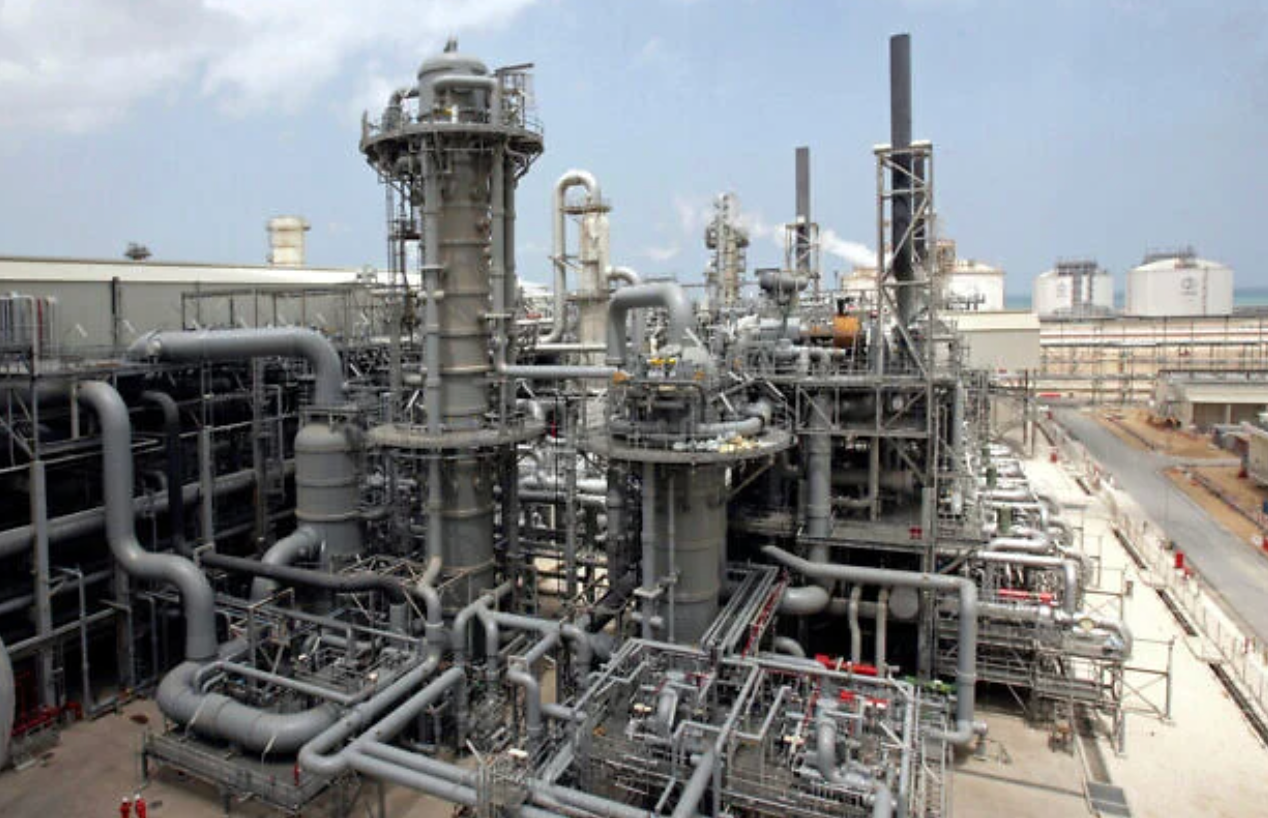
In the aftermath of the escalating conflict between the United States and Iran, Qatar has emerged as a significant economic casualty. The world’s gaze has turned to the dramatic decline in the country’s liquefied natural gas (LNG) exports, which have plummeted by an astonishing 96% during this period of unrest.
Declining LNG Exports
The war has severely impacted Qatar’s LNG sector, with the nation managing to export only 18 cargoes in recent months, a stark contrast to the 509 shipments during the same period last year. This reduction has not only disrupted supply chains but has also led to concerns about the stability of energy markets globally. Adding to the turmoil, two Qatari LNG carriers have reportedly faced direct attacks, further complicating the situation for the country’s energy sector.
Economic Impact on Qatar
The financial implications for Qatar are staggering, with losses estimated at nearly $24 billion in revenue. This figure is roughly equivalent to five months of the country’s government income, emphasizing the serious economic repercussions of this conflict. Before the outbreak of hostilities, Qatar was responsible for supplying nearly 20% of the world’s LNG demand, making it a vital player in the global energy landscape.
Comparison with Other Gulf Oil Exporters
Unlike several Gulf oil exporters that have managed to reroute some of their cargoes through the strategically important Strait of Hormuz, Qatar’s geographical and logistical challenges have left it with limited alternatives for exporting its natural gas. This reality underscores the vulnerabilities faced by Qatar, putting it at a disadvantage compared to other nations in the region that can adapt to the changing dynamics of maritime trade.
Shifts in Global LNG Supply
In direct response to the missing Qatari supply, producers in the United States have ramped up their exports, seizing the opportunity to strengthen their position in the global LNG market. This shift not only highlights the adaptability of US producers but also raises questions about the long-term consequences for Qatar’s market share.
Meanwhile, Europe remains particularly exposed amid these developments. The continent is grappling with record-low gas reserves for this time of year, which has led to rising concerns about gas prices. If the winter proves to be exceptionally harsh, consumers may face significant price surges, further compounding the economic challenges associated with the current geopolitical climate.
As the war continues, the ramifications for Qatar’s LNG industry and global energy markets may deepen, signaling a period of uncertainty for countries reliant on LNG imports and pushing nations to reassess their energy strategies. The situation in Qatar serves as a sobering reminder of how geopolitical conflicts can severely disrupt critical energy supplies and reshape the global market.