
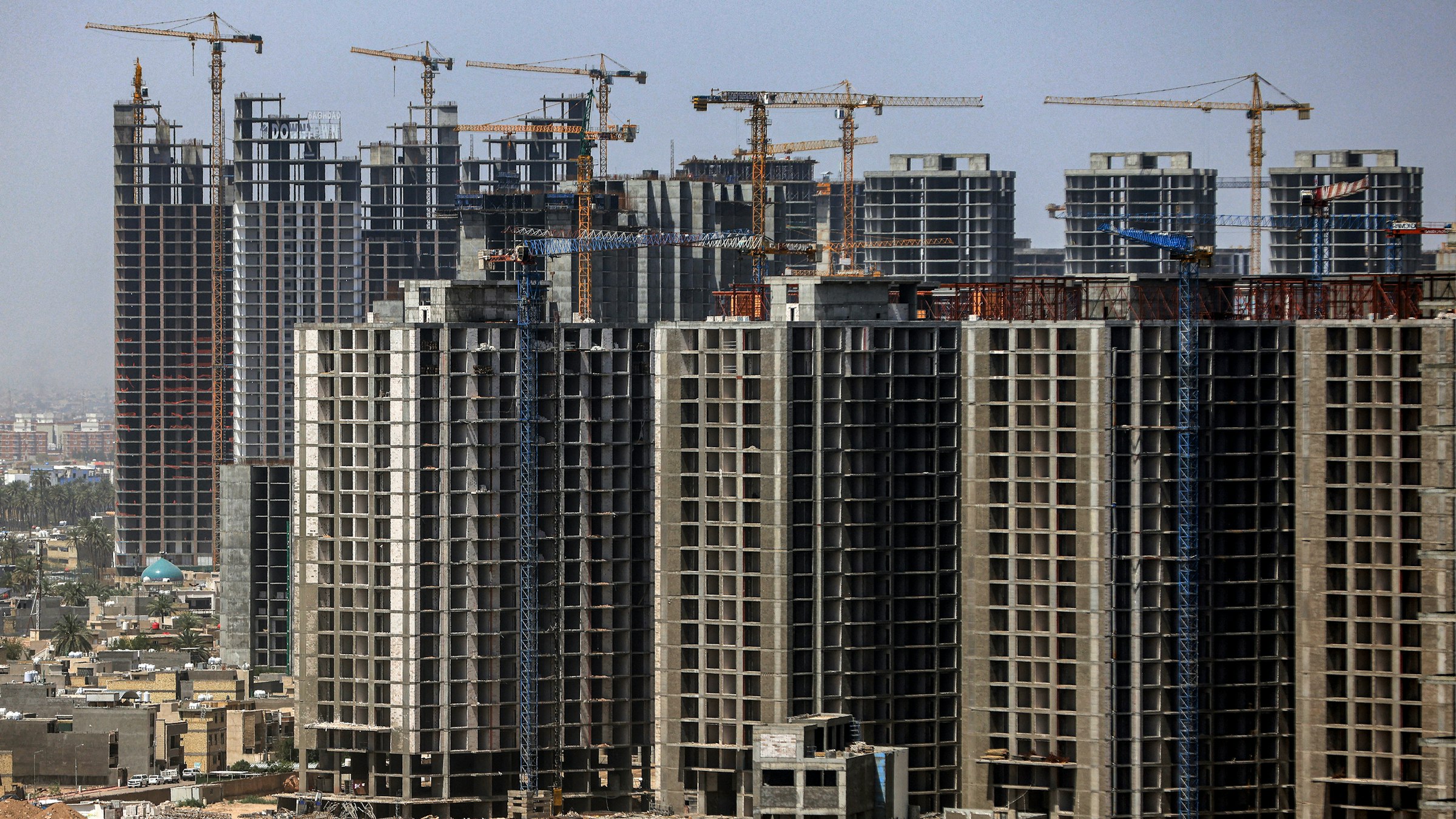
In Erbil, the capital of Iraqi Kurdistan, the challenge of affordable housing is becoming increasingly evident. Many young professionals, despite having reasonable incomes, find themselves unable to navigate the housing market. A poignant example is a young woman who earns about 2 million IQD (approximately 1,500 USD) each month. While this salary may seem adequate, the reality of purchasing an apartment remains a distant dream for her and countless others.
The Struggles of Homeownership in Erbil
In her search for a modest apartment, she discovered a 65 m² (700 sq ft) unit priced at around 52.8 million IQD (40,000 USD). To afford the down payment, she would need to save nearly two-thirds of her monthly income for two years. This scenario is all too common among young earners in Iraq. The disparity between wages and the cost of housing highlights a significant and pressing issue, where rising living costs outpace salary growth, making it increasingly difficult for the emerging workforce to secure stable living conditions.
The Growing Demand for Housing
Iraq is at a critical juncture. With a steadily increasing population, the demand for housing has surged. The government, however, is struggling to keep up with this urgent need. Urban areas, particularly in regions like Erbil, are facing a housing crisis that requires immediate attention. Developers are encountering challenges in meeting this demand, largely due to economic instability and fluctuating real estate prices. As the gap widens between available properties and those who need them, many Iraqis find themselves trapped in a cycle of uncertainty regarding their housing future.
Economic Factors Influencing Housing Prices
Several economic factors contribute to the high price of real estate in Iraq. Global economic conditions, local investment patterns, and fluctuating oil prices all play pivotal roles. Iraq’s economy has historically been reliant on oil revenues, which can lead to volatility. When oil prices decline, funding for infrastructure projects, including housing, is often slashed. Consequently, this translates into fewer available homes and inflated prices for existing properties. The younger generation, who are eager to establish their own households, often face insurmountable barriers in achieving homeownership.
The Path Forward: Solutions and Opportunities
To address these challenges, a coordinated effort is necessary. Solutions could include government subsidies aimed at first-time homebuyers or incentives for developers to build affordable housing. Additionally, public-private partnerships may help stimulate the construction of new developments to keep pace with demand. With the right policies in place, the government can foster a more conducive environment for both buyers and builders. This approach not only supports the economic landscape but also contributes to the overall well-being of the population.
In conclusion, the relationship between income and housing affordability in Erbil exemplifies broader issues across Iraq. The pressing need for sustainable solutions is paramount as the nation strives to provide adequate living conditions for its growing population. Without addressing these concerns, many will face continued difficulties in achieving the dream of homeownership.