
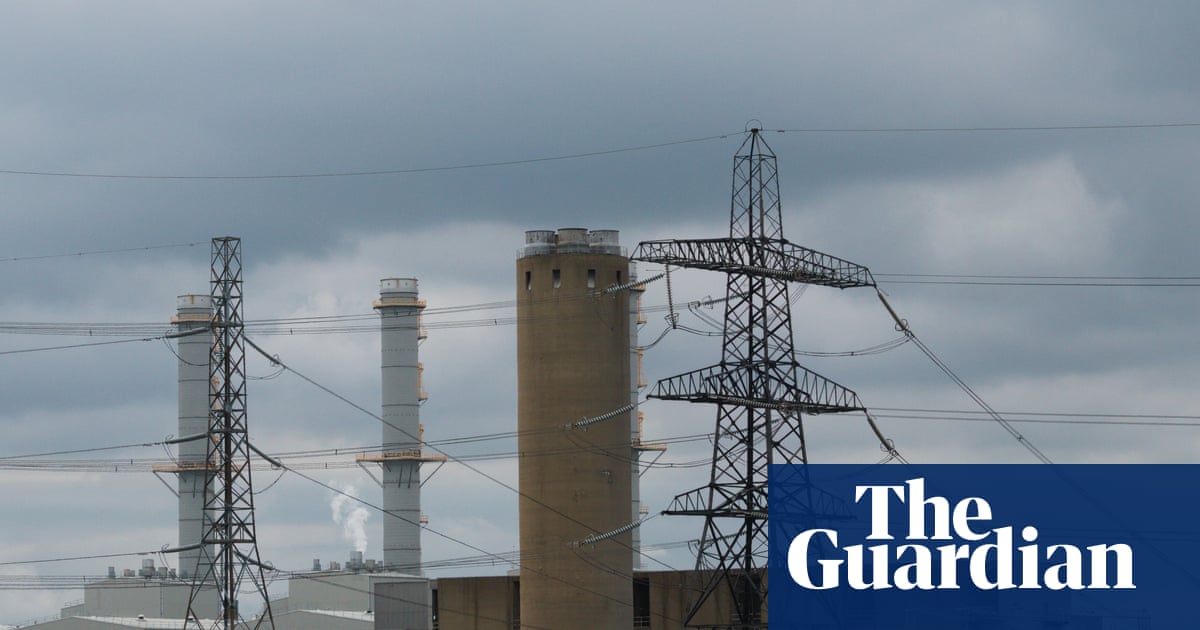
Hundreds of Britain’s smaller power plants may remain vulnerable to state-sponsored cyber threats until the end of the decade, following a recent hacking incident linked to Iranian cyber operatives. Despite official notifications indicating that a small gas power facility was offline for four days due to this attack, major concerns about cybersecurity in the energy sector continue to grow.
Government Response to Cybersecurity Threats
Energy sector leaders were updated about the recent breach, which has raised alarms regarding the safeguarding of the nation’s energy infrastructure. The government’s current strategy to enhance cybersecurity for minor power generators won’t take full effect until 2030, prompting fears of a significant lapse in national security. According to new government documents, proposals for basic cyber resilience standards are expected from the industry regulator, Ofgem, by the end of 2027, but concerns persist as the timeline for implementing these standards remains unchanged.
The new cybersecurity standards will address the vulnerabilities of small-scale gas plants, akin to the facility that was targeted in the recent cyber incident. This vulnerability is troubling, especially given the rising frequency and sophistication of cyber attacks on vital infrastructure. Nevertheless, the timeline for mitigation remains questionable and potentially detrimental to national energy security.
Concerns Over Cyber Resilience
The rise in cybersecurity incidents has prompted warnings from multiple sources. The Cabinet Office is now advising UK citizens to stock up on essential provisions like canned food and bottled water in preparation for extreme weather and geopolitical hostility. Calum Miller, the Liberal Democrats’ foreign affairs spokesperson, has criticized the government’s inaction, stating that leaving minor power generators vulnerable to cyber threats poses an intolerable risk.
In the UK, numerous small, unmanned gas facilities are part of local power grids and can temporarily boost electricity generation during peak demand periods. While the recent cyber attack did not disrupt the broader electricity system, its implications for local and less-secured infrastructure have elevated concerns. This scenario has led to calls for more immediate action from the government against potential cyber threats.
Recommendations for Immediate Action
Miller has urged the government to expedite cybersecurity regulations rather than delaying them until 2030. According to experts in energy cybersecurity, the government should utilize the recent breach as a preventive lesson rather than waiting for further incidents. Rafael Narezzi, CEO of Centrii, emphasized that this incident serves as a cautionary tale about the vulnerabilities of small energy providers.
He stated, “Attackers do not discriminate based on the size of the power generator; they seek out weak points for infiltration.” As the UK’s energy system grows increasingly intertwined through digital networks and remote access solutions, the implications for overall resilience become more critical. The safety and secure operation of small power facilities are vital to the stability of the entire energy grid.
In summary, while the UK energy sector boasts a reputation for resilience, the increasing cyber threats necessitate urgent action from the government and regulatory bodies. Without timely intervention, the nation risks exposing its critical infrastructure to further vulnerabilities, potentially endangering national security and energy supply stability. The call for swift and effective cybersecurity measures has never been more pressing.