
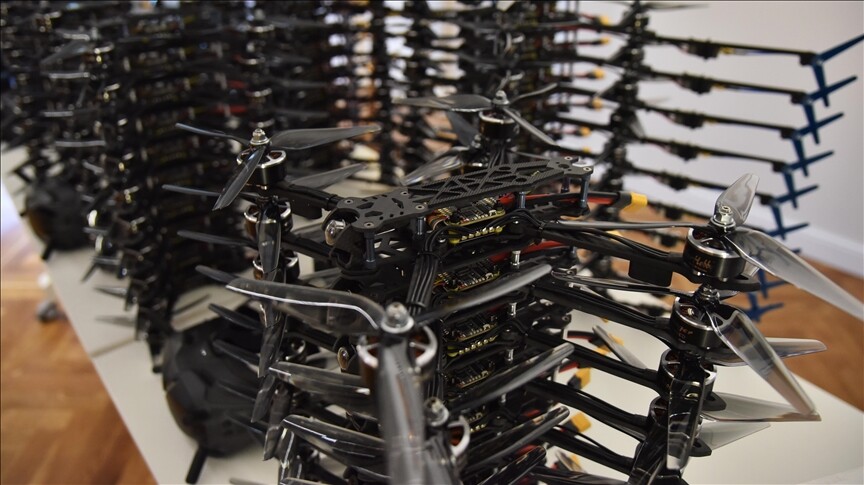
In a recent development, Iraq’s National Security Service made significant strides in countering drone manufacturing efforts. On Thursday, reports from the state-operated Iraqi News Agency confirmed the arrest of three individuals linked to attempts at creating unmanned aerial vehicles (UAVs) in Baghdad. This crackdown underscores Iraq’s ongoing battle against threats to national security.
Details of the Arrests
The Iraqi News Agency reported that the arrests were made as part of a coordinated operation aimed at dismantling plans to produce drones within the capital. While the agency provided confirmation of the arrests, it offered minimal details about the suspects or the specific purposes of the drones. This lack of information raises questions about the potential threats posed by these UAVs and the motivations behind their manufacturing.
The Role of the International Coalition
In a related context, Sabah al-Numan, spokesperson for Iraq’s armed forces commander, announced that the mission of the international coalition currently stationed in Iraq is set to conclude on September 30. Established in 2014, this US-led coalition was primarily tasked with combating ISIS, which at that time had control over considerable territories in both Iraq and Syria. Although Iraq declared victory over ISIS in 2017, sporadic attacks by the group continue to challenge the stability of the region.
Numan reiterated the Iraqi government’s commitment to “regulating the issue of weapons in the country.” This statement comes at a crucial time, addressing concerns about the proliferation of arms and the potential for violence.
Regional Tensions and Implications
The news regarding the drone arrests surfaces amid escalating tensions in the Middle East. Recently, Iraqi Foreign Minister Fuad Hussein and his Saudi counterpart, Faisal bin Farhan, engaged in discussions about ongoing regional developments. They emphasized the importance of managing rising tensions and resolving conflicts through peaceful dialogue.
Notably, on July 27, Saudi Arabia reported that it had intercepted and eliminated several drones that were launched from Iraqi territory, with the intention of targeting critical oil infrastructures in both the Eastern Province and the capital, Riyadh. The Saudi government attributed these attacks to “Iranian-affiliated militias” and asserted its right to defend its interests.
As the geopolitical climate remains fraught, the recent arrests in Baghdad serve as a reminder of the complexities surrounding security in Iraq. With the impending conclusion of the international coalition’s mission, Iraq faces the challenge of ensuring its own stability and managing regional relationships effectively. The government’s focus on regulating arms and addressing potential threats will be critical as the country navigates these turbulent waters.
In essence, Iraq is at a crossroads as it seeks to maintain peace and security while remaining vigilant against both internal and external threats. The government’s actions regarding drone manufacturing activities may play a pivotal role in shaping the trajectory of national security in the coming months.