
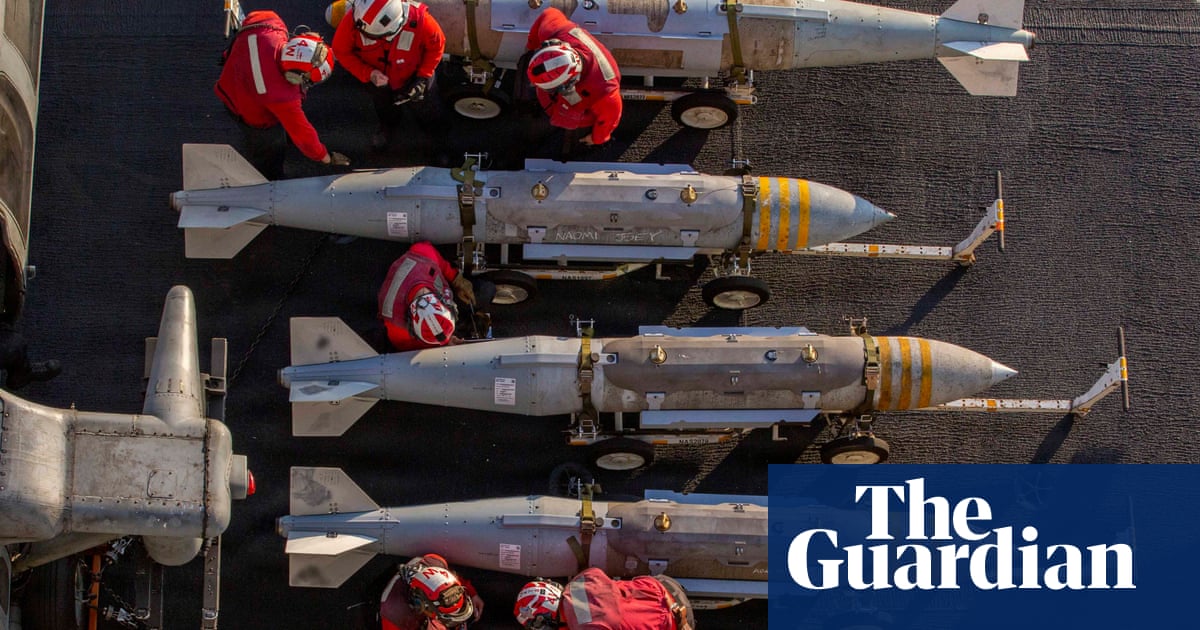
Donald Trump’s military actions in Iran have exacerbated financial difficulties within the U.S. Navy, forcing them to utilize funds earmarked for personnel and other essential areas to meet combat costs. Recent revelations highlight these financial strains, raising concerns over the operational readiness of the military as fiscal pressures mount.
The Burden of War Costs
The combined U.S.-Israeli initiatives in Iran have significantly drained America’s munitions reserves and triggered retaliatory actions that have damaged critical bases throughout the region. This military expenditure has put immense pressure on budgeting within the armed forces, leading to alarming precautions. A Pentagon memorandum shared with The Guardian pointed out urgent shortfalls in payroll, indicating that money originally set aside for salaries is being redirected to cover combat operations. This alarming trend suggests a troubling prioritization amidst the backdrop of military conflicts.
Industry experts and former military officials underscore the dire financial situation. Harlan Ullman, a retired naval officer, succinctly stated, “The piggy bank is broken,” indicating a widespread acknowledgment that funds are dwindling. The urgency of the situation is such that vital maintenance tasks for shore installations have been postponed due to this budget crunch, reflecting a shift in priorities within the Navy that could have lasting repercussions on military efficacy.
Congressional Challenges Ahead
Since the war commenced, Pentagon officials have sought emergency funding from Congress to alleviate the financial strain, driven in part by the sizeable operational costs associated with the naval blockade and initial attacks in Iran. The administration’s request has met considerable resistance, largely due to waning public support for the conflict. A navy official familiar with fiscal strategies disclosed that creative financial maneuvers are employed to ensure payroll remains intact, hinting at a precarious balancing act within the armed forces.
The Navy’s allocated budget for 2026, nearly $300 billion, comprises distinct funding segments for personnel, shipbuilding, and operational maintenance. However, stringent regulations govern how these funds can be reallocated, complicating efforts to manage shortages. As discussions have emerged on Capitol Hill regarding solvency issues faced by various military branches, it has become increasingly clear that the Navy’s challenges are notable among them.
Preparing for Uncertain Future
In mid-May, Adm. Daryl Caudle, the chief of naval operations, warned Congress that substantial financial challenges were imminent, raising alarms about how funds could be effectively utilized moving forward. Given that the fiscal year 2026 budget did not initially account for the costs associated with ongoing operations in Iran, the Navy faces weighty decisions regarding resource allocation that could impede routine operations and military exercises.
The administration’s pursuit of a $67 billion emergency funding request raises further questions, as the specifics regarding allocation to naval forces remain unclear. Historical contexts highlight the difference in Congressional response to wars previously authorized by resolutions, amplifying the uncertainty regarding funding for the current Iran conflict, which lacks a formal declaration.
A New Reality for the Navy
The U.S. Navy’s current fiscal shortfalls represent a paradox for Trump, who has frequently drawn parallels with past leaders like Theodore Roosevelt. While the former president has actively pushed for an expanded naval fleet and modernized technology, the present situation illustrates a stark reality: sustaining a war effort amidst dwindling resources presents a formidable challenge.
For those familiar with the Navy’s operational dynamics, the message is bleak. An anonymous former military officer working with a contracting firm reflected on the situation, stating, “They shot all their weapons; they trashed all their ships; they ran out of their money.” Such sentiments encapsulate the seriousness of the predicament, underscoring that without effective financial support and strategic clarity, the Navy faces an uncertain path ahead.